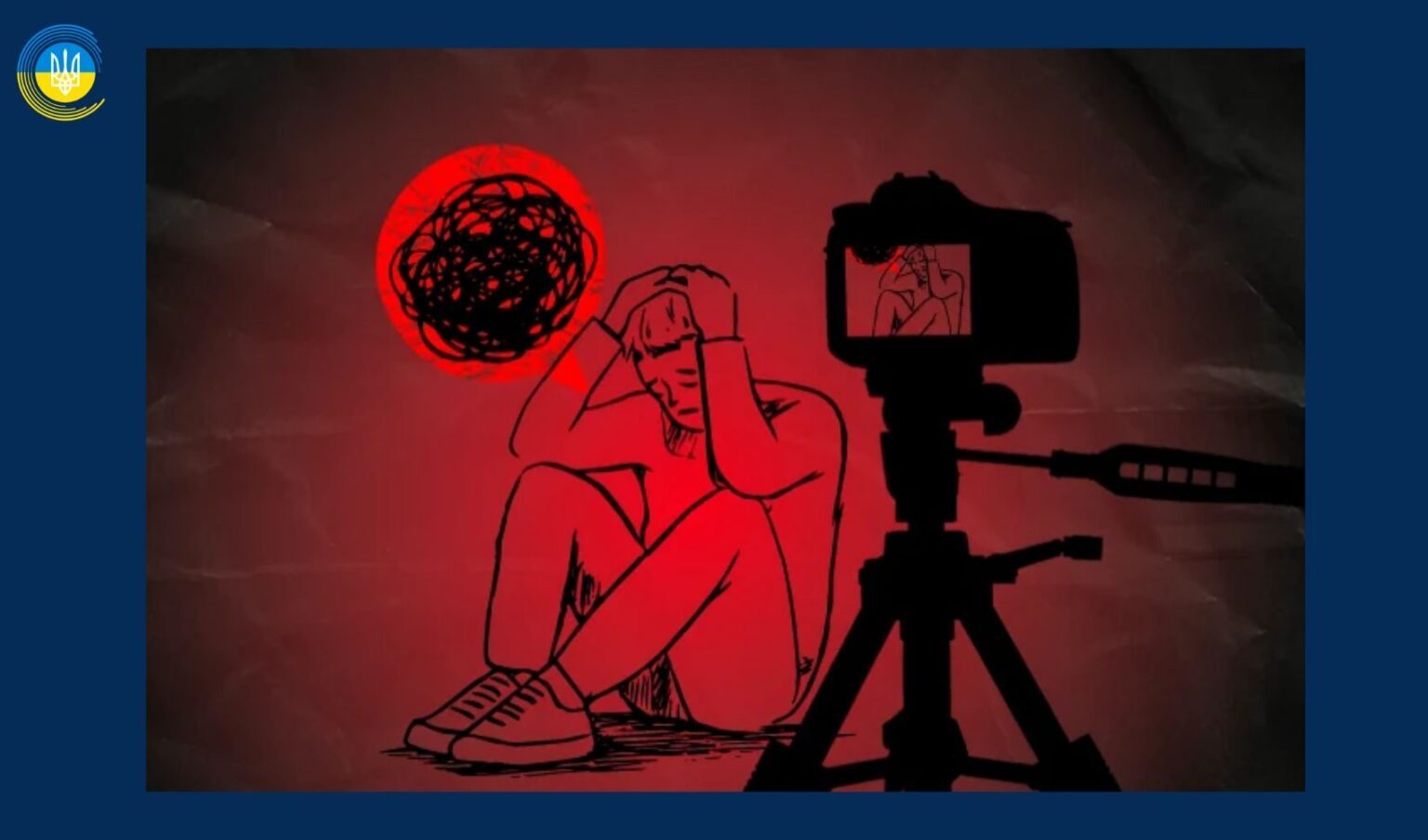
For the European Day for the Protection of Children from Sexual Violence and Sexual Exploitation, which is celebrated on November 18, the National Council for Television and Radio Broadcasting presented a practical guide for journalists and editors. The document will help the media to work with sensitive topics without the risk of re-traumatizing the victims. This is stated on the website of the National Council.
This year, the Council of Europe dedicated November 18 to the topic of ethical coverage of sexual violence against children in the media. The main focus is to protect the child from retraumatization and preserve his privacy, as required by the Lanzarote Convention. On the same occasion, the Council of Europe is launching its own practical guide for journalists, adapted to national contexts.
For Ukraine, this issue is particularly acute because of the full-scale war. According to the "Children of War" portal, as of November 17, 2026, the Prosecutor General's Office recorded 23 children who suffered from sexual violence as a result of Russia's armed aggression. However, due to active hostilities and temporary occupation of some territories, it is currently impossible to establish the real number of victims.
The media regulator summarized the results of expert discussions regarding media coverage of sensitive topics and formulated practical recommendations for editorial offices. Document:
- helps to avoid typical mistakes when preparing materials about violence against children, in particular sexual;
- provides clear rules for dealing with such cases so as not to disclose the identity of the child and avoid harmful wording or visuals;
- contains separate provisions regarding coverage of stories of children with disabilities and rules for communication with children who have returned from deportation.
In addition to the new advisor, the National Council reminds media specialists of other current documents developed together with industry, psychologists, legal experts and public organizations:
- Joint act of self-regulation "Protection of a sexually abused child when involved in media production";
- the act "Media coverage of the actual circumstances of the pre-trial investigation involving children" developed by the working group;
- recommendations created together with the Institute of Social and Political Psychology of the National Academy of Sciences of Ukraine - "How to prevent media traumatization of children in conditions of war".
Currently, the media regulator and joint regulatory bodies continue to work on codes and criteria for the dissemination of information that may harm the emotional, mental or spiritual development of children. The editors urge you to use these experiences in your daily work to cover difficult topics responsibly and with respect for the dignity and safety of the child.
Here is the Media Guide in text format.
Currently, there are many representatives of vulnerable categories in Ukraine, to the nuances of communication with which media professionals are advised to pay attention. In particular, the National Union of Journalists of Ukraine, together with the Dr. Denis Mukwege International Foundation, prepared an electronic version of the brochure, "Sexual violence related to the conflict: what journalists need to know."
Also, NUJU draws attention to why the topic of sexual violence becomes relevant in the conditions of war, why people who suffered sexual violence during the war remain silent and how to talk to victims of sexual violence .
Lawyer Marta Zmysla, a member of the Association of Women Lawyers of Ukraine "YurFem", spoke about why it is important to talk about sexual violence, how to avoid harming journalists with their material, and which documents should be read before preparing for an interview.
We also talked about how to recognize sexual crimes in the territory of hostilities and in the occupation and how to help yourself.