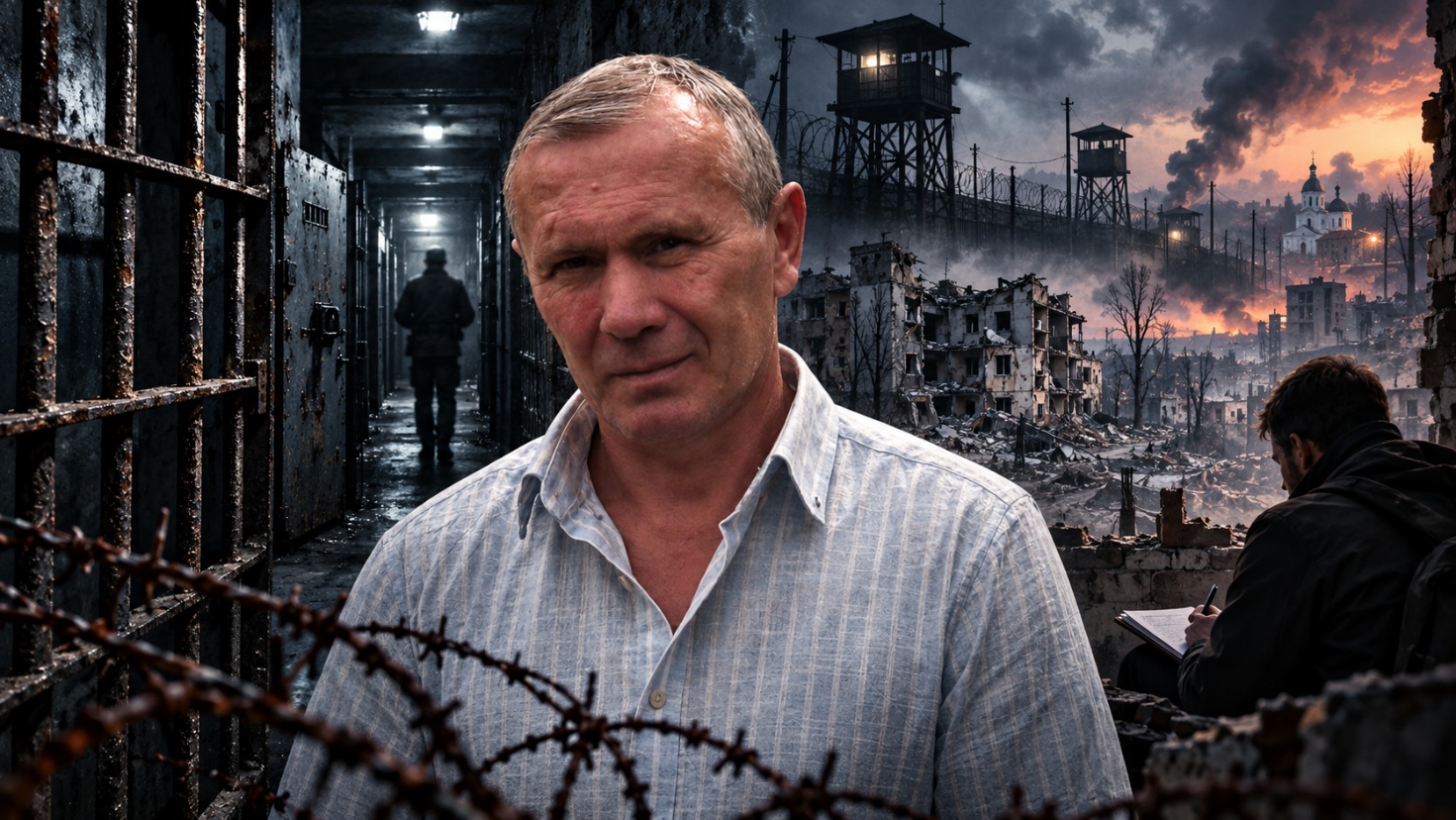
"Nine Circles of Hell": journalist from Kupyansk Oleksandr Zubar recorded the story of a countryman who survived three and a half years of Russian captivity
Kharkiv region18 minutes of reading
Share:
The author of this interview himself survived the occupation of Kupyansk, lost his home, and is now collecting funds for a much-needed operation. However, he continues to do what he considers his duty: he records the testimonies of fellow countrymen who passed through Russian torture chambers.
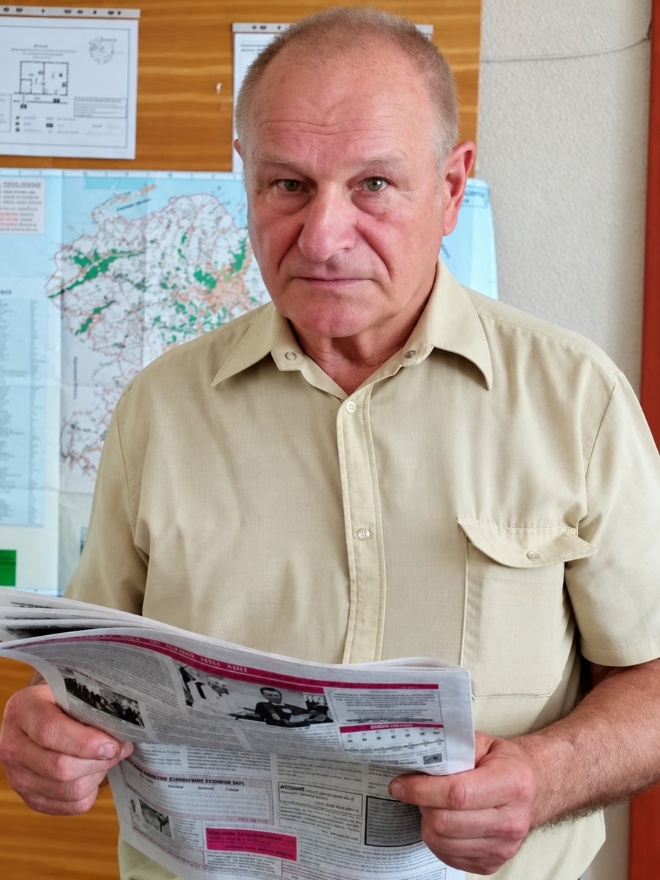
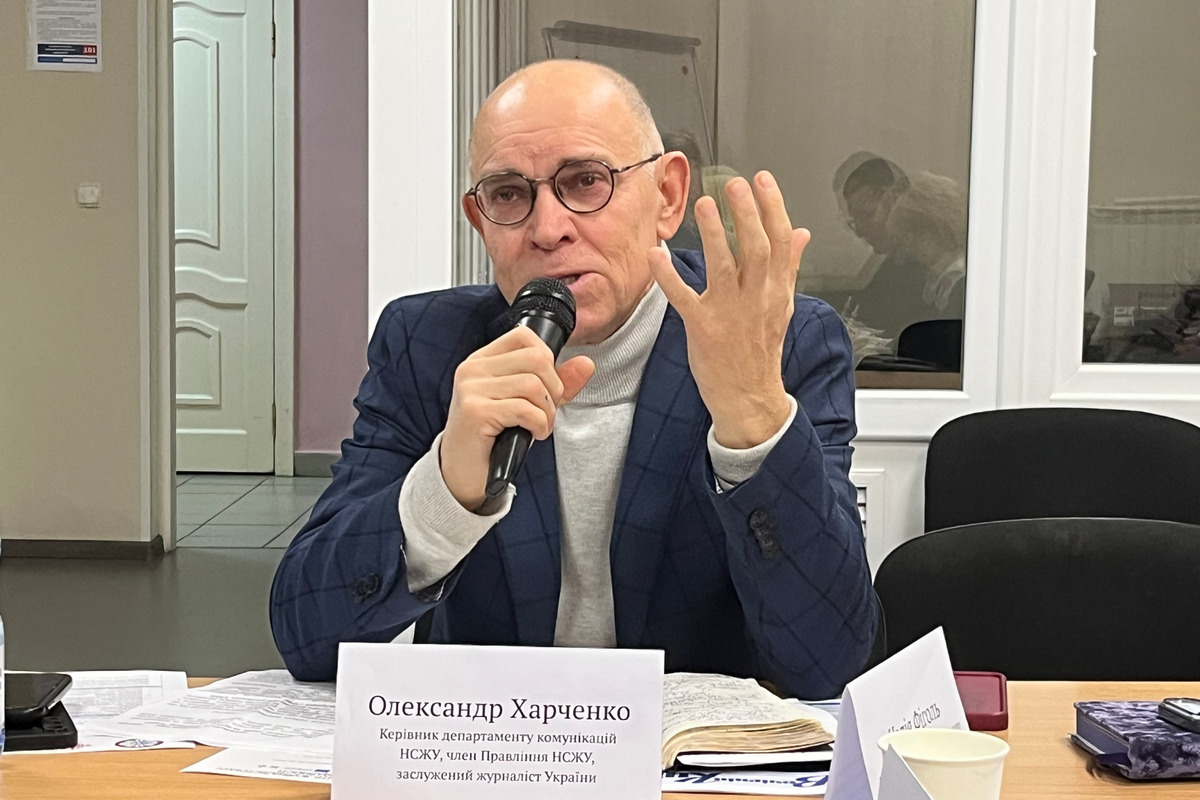
Oleksandr Zubaris an experienced journalist and public figure from Kupyansk, a member of the National Union of Journalists of Ukraine, a deputy of the Kupyansk District Council. When Russian troops entered the city on February 27, 2022, the author of reports from the front in Donbas was waiting for arrest every day. After the liberation of Kupyansk, despite massive shelling, he remained to work in his hometown. He helped fellow countrymen and soldiers and wrote about those who survived occupation torture camps. NUJU talked about thisin 2023.
Later, the war took away Oleksandr Mykytovych's house and all his possessions, so he moved to live with his son in Kharkiv. Now he urgently needs endoprosthesis of the knee joint, because every step is taken due to pain. The queue for a free operation is drawn up for years, and for a paid one you need at least 150 thousand hryvnias. Colleagues and friends, who themselves live in evacuation, have so far collected only a part of this amount.NUJU has announced a fundraiserfor a colleague.
Despite all this, Oleksandr Zubar did not put down his pen. We offer readers his interview with Igor Myronenko from Kupyan.
In "The Divine Comedy" by Dante Alighieri, the inscription on the gate of hell read: "Abandon hope." Ihor Myronenko went through all the circles of earthly hell and remained a Man with a capital letter. His scars became visible not only on his body, but also on his soul, but he never lost hope for liberation.
- Ihor Oleksiiovych, tell us briefly about your life before the Russian-Ukrainian war.
- There was nothing heroic in my biography. I was born in 1971 in Kupyansk. He is married to Svetlana, the sister of his friend Vadim. I have two sons and a daughter. When the Russian-Ukrainian war actually started in 2014 with the annexation of Crimea and the occupation of part of Donbas, I joined the Kupyan Teroborana: I underwent the necessary military training, and was on duty at checkpoints. At the same time, he actively joined the volunteer movement, headed the Kupyan city public organization "Reliable Help".
"We were told that we are nationalists"
- How did you get captured by the Russians?
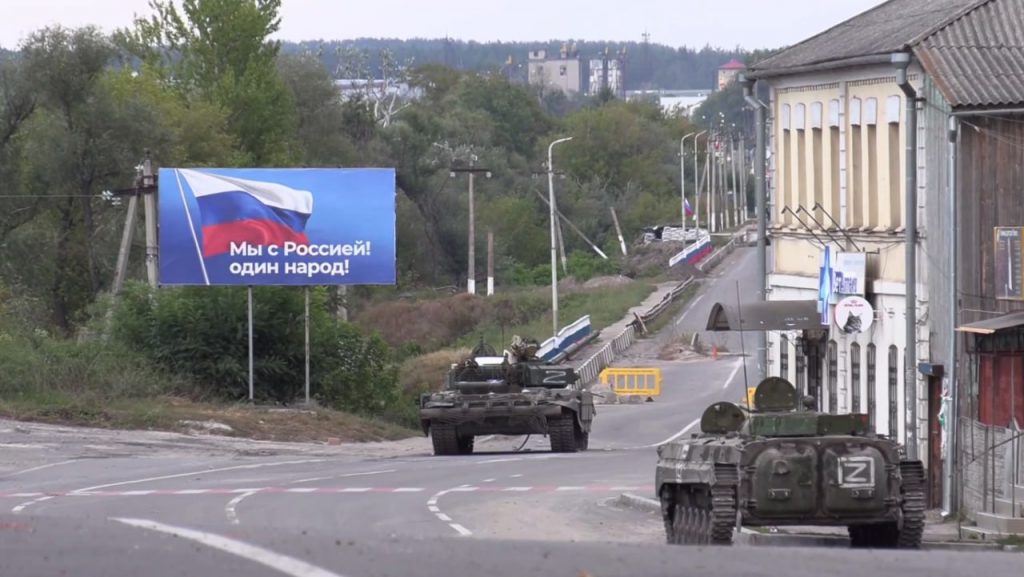
- In the first days of the full-scale invasion, Kupyansk was occupied. We, those who were trained in territorial defense, were not notified or gathered. The mayor, as well as many local leaders, policemen, businessmen and ordinary residents went to cooperate with the occupiers. The most disgusting thing is that among our compatriots there were a lot of not just collaborators, but vile informers who betrayed their neighbors and acquaintances to the occupiers in advance. Vadim and I knew who the occupiers were hunting, we knew that they had set up a torture chamber in the Kupyan police building, which the people nicknamed the "basement", and we understood that we would most likely not bypass this "basement". But it was already too late to leave: we would have been detained at the very first checkpoint. In addition, we were afraid to leave our families and children, so that the occupiers would not take advantage of them. We would not forgive ourselves for this. So they hoped only for a miracle.
Kupyansk under occupation. Enemy armored vehicles on the streets of the city. Photo provided by O. Zubar
On March 9, 2022, the occupiers conducted a thorough search of my parents' house, where my sister Larisa lived. But no compromising material was found, because we had prepared in advance for searches. When Larisa asked what the search was about, she was told that I was allegedly leading the opposition to their authorities, and they were looking for weapons. Vadim and I decided to hide with reliable friends for a while. When they were going to them, they saw how a Russian KamAZ, a minibus and a car drove up to Vadym's house, from which about ten armed invaders with dogs got out.
And on April 25, when we were all at Vadim's, Russian Ephesians came to pick us up. They said that, according to their information, Vadym and I are nationalists. Black bags were pulled over our heads and taken to interrogation.
We were interrogated separately and, surprisingly, both were treated politely. Vadim and I were so spiritually close friends that even without a conspiracy we gave the same testimony. Both denied their involvement with the nationalists. When Vadim, a former deputy of the city council, was offered a job in the occupation administration, he politely refused: they said that all his life he had only been engaged in "buying and selling", he had never held managerial positions, and therefore work in the administration "would not be attractive".
Knowing that I participated in all the election campaigns, I was offered to help organize their pseudo-referendum in Kupyansk. I also politely refused, explaining that I was only an ordinary member of the election commissions, so I "will not drag" the organization of the referendum.
We were strongly advised to think carefully before refusing, and were even given a ride back home.
We already had time to rejoice, hoping that they would finally leave us alone. But on May 18, the occupiers came again - in two minibuses and a car. This time there was no ceremony with us. In front of our families, we were grabbed, our hands were wrapped with tape, black bags were pulled over our heads, and we were also wrapped with tape. My son Dmytryk, who was nine years old at the time, although he was very scared, behaved with dignity, he did not even cry. And when the Ephesians wanted to give him a candy, he defiantly turned away and did not take it.
We were brought to the police building and immediately began to beat us in an animalistic manner with fists, feet, and some kind of pipe. This is mandatory, even the traditional beating is called "reception". They beat until they were tired. Then the bloodied ones were dragged and thrown into different cells of the temporary detention center.
At first I was kept in a double cell, where there were six of us, then I was transferred to other cells. The occupiers from somewhere had lists of terror defense, which included me, so I was taken every day for interrogations with brutal torture. They demanded to tell me where the weapons of terror defense were stored, but I stood my ground all the time: I don't know. And really did not know. That's why I was beaten again and again. They even simulated a shooting: they took me somewhere blindfolded, put me on my knees and shot in my direction...
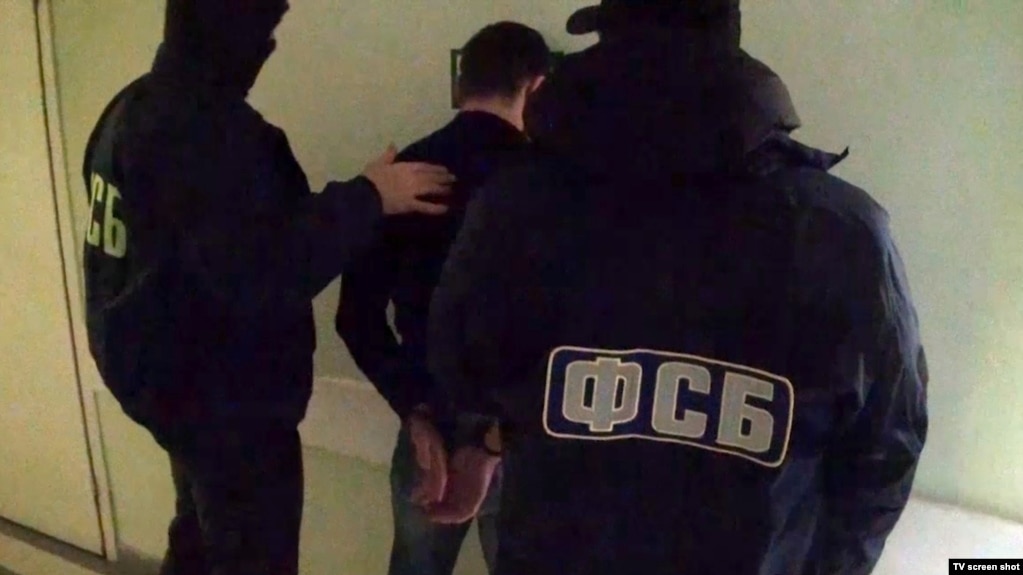
The interrogation was conducted by an officer of the Russian FSB, and the torturers were separatist traitors from the self-proclaimed "LPR". There were three of them, they called each other Zhenya (he graduated from the Kharkiv Tank Institute), Sasha and Vitaly Vitaliyovych. From their conversations, I understood that they all served in some prison of the so-called "LPR". These interrogations with torture lasted about a week. Then they brought a new batch of detainees, and my tormentors, without beating anything out of me, switched to the new arrivals.
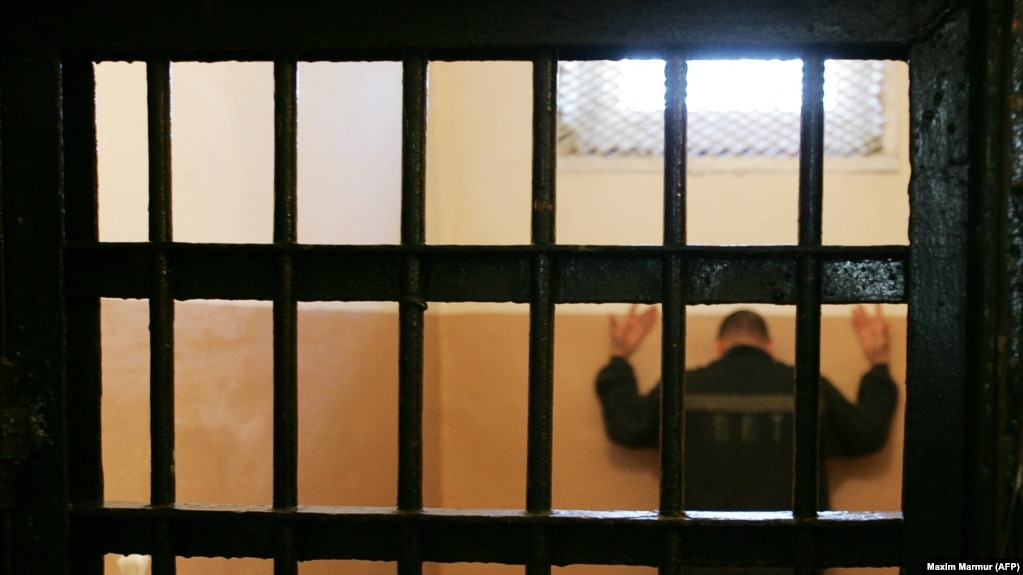
Illustrative photo. Source: Radio Svoboda
On June 14, I, my friend Vadym, and four other people from Kupyan were transported to the territory of Russia, to a tent camp for prisoners of war near the city of Shebekine, Belgorod region. The camp guard had machine guns and dogs. Here, first of all, we were given the obligatory "reception", that is, we were beaten like an animal. Then they were distributed among the tents. Civilians were kept separately from prisoners of war.
From Belgorod region to Mordovia
- Was the reason for the detention announced to you? At least formally bring any charges?
- No charges were brought against us, and in their documents we were listed as persons "resisting the SVO". We stayed in that camp for a week, and on June 21, 2022, we were transferred to pre-trial detention center No. 2 in the city of Stary Oskol, also in the Belgorod region, and were already held in cells. There were also interrogations there, but mostly we were treated with racist propaganda. They told us who Bandera and the people of Bandera are, what Ukraine is, that Ukrainians are not a separate nation, but a part of the single Russian people, that the "Kyiv regime" has given up on us, that the "valiant" Russian army is winning victory after victory over the "Nazis" every day, and soon all of Ukraine will be "liberated".
Russian television was shown every week - again about continuous "victories" at the front. They fed us moldy bread. They were beaten every day: sometimes they were clinging to something, and sometimes just for no reason. The daily walk lasted a few minutes and consisted in the fact that we had to run between the dogs that attacked and mauled us, run up the spiral stairs to the roof of the pre-trial detention center, where there was a playground, and immediately back. They gave me not even minutes, but seconds to go to the toilet. Those who did not have time were beaten.
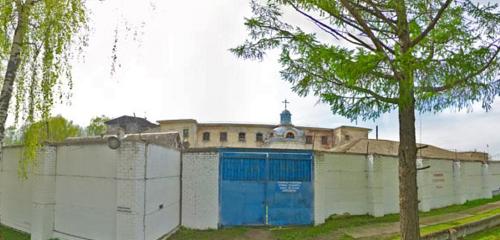
Prison No. 2 in Kashina. Photo: russian-inferno.com
Among us was Oleksandr Mohylka from the village of Rubizhne, Vovchansk community. Orcs captured him because during the battles for Vovchansk he came to them in a position to ask for cigarettes, and they decided that he was a scout of the Armed Forces.
We stayed in this pre-trial detention center until September 30, 2022. Then we were transported to the city of Kashin, Tver region, where during the "reception" everyone was brutally beaten, and we were also placed in pre-trial detention center No. 2. The food here was a little better than in Stary Oskol. We stayed in the Kashin Prison until February 9, 2023.
After that, we were taken by three auto-rickshaws to the village of Udarniy, Zubovo-Polyansky district in Mordovia. On the way, we were taken to a pre-trial detention center for the night, where we were first beaten, and then taken to cells.
Colony in Udarny: 16 hours on the white lane
- In Udarny, where we arrived on February 10, 2023, we were placed in the special regime correctional colony No. 10. There, those convicted of particularly serious crimes are served sentences, including life imprisonment, and even in Russia it is considered the most terrible. The frost was fierce. We were led into an unheated metal hangar, put on our knees, then made to strip completely and began a "medical examination" that lasted about two hours. After that, they were taken naked, in the bitter cold, to the shower room, beaten with rubber batons along the way and forced to sing Russian songs. In the shower, they gave out orange prison clothes, and then they started driving the naked and barefoot people through the snow, beat them with batons and forced them to sing the Russian national anthem. We no longer entered the cells, but crawled in - we were all blue from the frost and brutal beatings.
This is how our life in this colony began, which cannot even be called life with a great stretch. It was real hell. A strip was drawn with white paint on the floor of the cells. On this lane, we had to stand silently for 16 hours a day - with our heads down, hands behind our backs. All cameras were equipped with video surveillance. If a guard or supervisor (they have been contemptuously called "turners" since ancient times) noticed that someone raised his head, moved or said something, he was taken out and beaten mercilessly.
For the sake of entertainment, the Vertukhai very often used to tease us like this: at the command of "One and a half!" we had to either stand for hours in a semi-squat with our arms outstretched, or walk like that. In addition, for hours before exhaustion - running or walking in place, push-ups from the floor and much more. If someone was exhausted and fell, he was beaten.
The set of abuses was diverse - who can invent what. They were allowed to go to the toilet twice a day for 15 seconds each. Those who did not invest in these seconds were mercilessly beaten. Ten times a day they were forced to sing the national anthem of Russia, and then they were beaten because one of the Vertukhians did not like someone's singing. Russian songs and false historical narratives of the Russian writer and historian, convinced Ukrainophobe Volodymyr Medinsky, by the way, a native of Smila in Cherkasy region, were broadcast over the loudspeaker. Since then, Russian songs remind us, former Russian slaves, only of the torment in their hell.
Illustrative photo. Source: Radio Svoboda
We slept on bunk beds, bed linen and underwear were not changed for months. The morning began with a check-up, which was also a morning beating. They beat with batons and electric stun guns, and those who fell from the blows, the vertukhais ran with some kind of devilish pleasure in their eyes - like Yanukovych on the stumps in his Mezhyhirya. In each cell hung the duties of the cell guard and a list of prohibitions for the prisoner, which everyone had to know by heart. Vertukhai, for fun, constantly tested their knowledge of duties, prohibitions, and the text of the Russian national anthem. And woe to the one who forgot something or called it wrong. We only had to stand in the cells until the break. Sitting was allowed only during meals.
They were fed like this: in the morning - a small piece of bread and liquid porridge, of which there was so much that it seemed as if the bowl had simply not been washed from under the porridge. For lunch - the same piece of bread and boiled cabbage, in which small pieces of chicken skin occasionally floated. Apparently, it was their Russian shenanigans. For dinner - liquid mashed potatoes, which was also only on the sides of the plate and a little on the bottom. So we were always hungry. Some did not eat bread in the morning and at lunch, but hid it in their underwear in order to smear the plate with three pieces in the evening and at least somehow suppress the unbearable hunger for the whole day. But if the vertukhai noticed that someone had hidden bread, they did not just take it away, but mercilessly beat them for it. So hiding it was a real art of conspiracy.
In general, the Vertukhai tried to break us completely, to squeeze everything human out of us, to make us speechless slaves with the most sophisticated physical and moral torture. I don't want to talk about all the torture. Not only because it hurts me too much to even remember, but mostly because this interview can be read by my children, and I don't want to hurt their psyche with these horrors.
To all this, in addition to the hellish longing for home, children, family, Kupyansk, add the extremely harsh climate of Mordovia. In the winter there is severe frost, in the summer clouds of mosquitoes and gnats that mercilessly drink your blood, and from the surrounding swamps – high humidity and an unbearable swampy smell in the air. Due to constant long standing, continuous beatings and humid climate, the legs and even the veins of most of the prisoners rotted. My legs were so swollen that I couldn't take my pants off. It is not for nothing that under the tsars, under Stalin, and under Brezhnev, Mordovia was a center of concentration camps and exiles for those who disagreed with both the tsarist and communist regimes.
Tuberculosis solitary confinement
At the beginning of August 2023, young Major Dmytro Turushev died of tuberculosis in our cell. We, his cellmates, were transferred to the tuberculosis ward, set up in the former cell. The cells there ranged from single to quadruple. I got to a three-bed room. In addition to me, Serhiy Kotolopov from Mariupol and senior sergeant of marines Serhii Zelenskyi from Kherson were there.
Kotolopov was detained by the orcs at a checkpoint because of a tattoo - the ancient pagan symbol of "svarga", which they took for a Hitler swastika. Unfortunately, he couldn't stand the hellish torment, went crazy and even tried to commit suicide: he hit himself in the chest with the scissors they gave us to cut our nails. I rushed to him and took the scissors, although he shouted that he did not want to live like this. He also hit me in the eye with a spoon, but, fortunately, he didn't knock me out.
Serhiy Zelenskyi and I spent two years in the same cell and it's not that we never quarreled, but we became true brothers for life. When I found out that Serhiy was also released during the exchange in May of this year, my joy knew no bounds. We began to communicate regularly, and soon we will meet. I stayed in the tuberculosis cell until October 1, 2025.
Illustrative photo. Source: BBC
Traitors are also in captivity
- You mentioned that during the occupation of Kupyansk there were many traitors, collaborators, and informers among its residents, law enforcement officers, and local authorities. Were there such among you, slaves of Russia?
- Yes, unfortunately, there were among us. For example, in Mordovia, our compatriot Denys L., born in 2001, from Shevchenko was kept in a nearby cell. His nickname was "Cartoon" because he had tattoos of cartoon characters all over his body. During the occupation of Shevchenko, he cooperated with the occupiers, drank with them. And when he was returning after the curfew after yet another binge, he was detained by the Ephesians, and he ended up with us. Here he began to cooperate with the administration of the colony, he was appointed to "watch" over us, and he was their faithful "six".
L. constantly denounced the inmates to the inmates, even asked to beat us with them during inspections, but they kept this "pleasure" to themselves. He also invented different ways of bullying them. He called one of his "inventions" a "zoo": at his command, we in the cells had to imitate animals - some bark like a dog, some meow like a goat, some neigh like a horse, or buzz like a bee.
He also had another "invention" that Vertukhai used constantly. As Kharkiv football fans created a well-known slogan about Putin, so L. created a similar slogan about the President of Ukraine Zelenskyi. When he shouted: "Who is Zelensky?", all the cameras had to respond with an obscene word. If it seemed to L. that the shouting in some cell was not loud enough, her prisoners were taken out to be beaten. Our camera was the only one that did not respond to this cry. When we were asked why, Serhii Zelenskyi said that it is his surname and he cannot call himself by that word. And I replied that I cannot call my friend and cellmate that way.
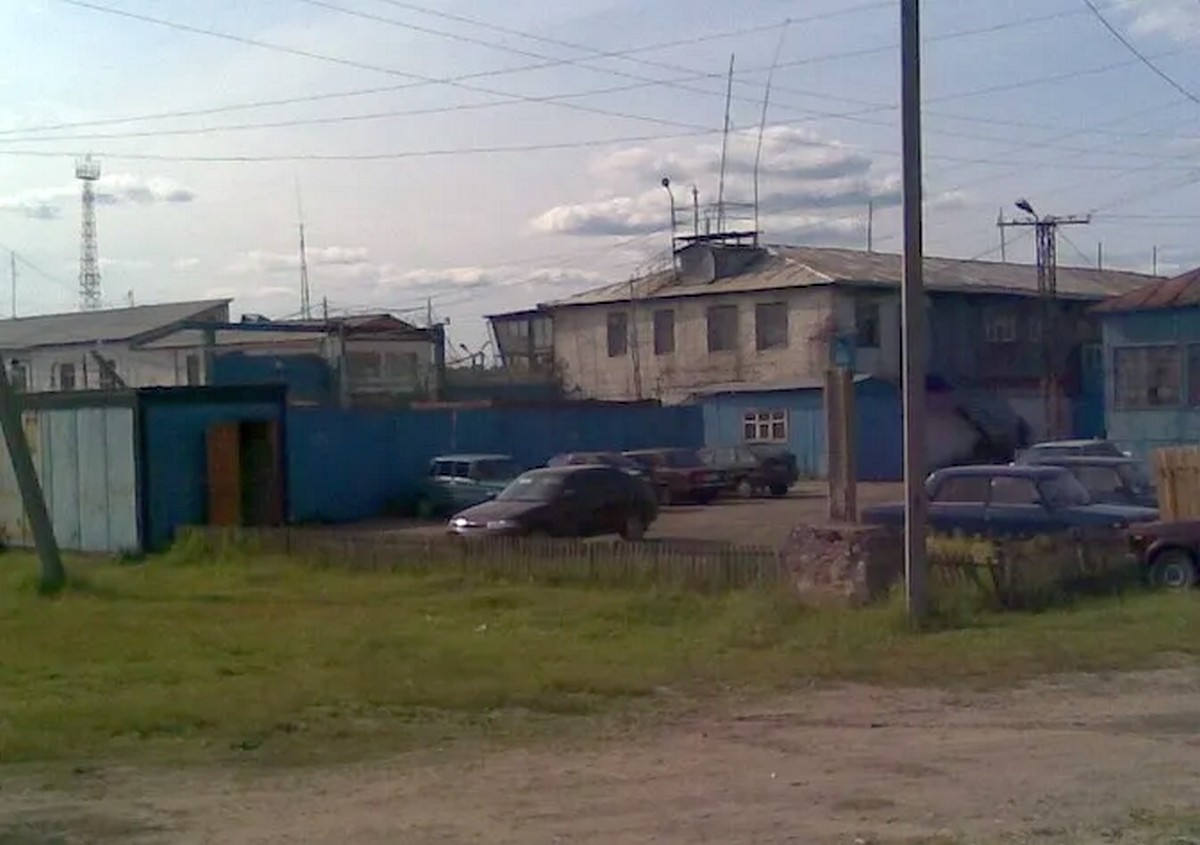
VK-10 (Percussive) UFSIN in the Republic of Mordovia. Photo: fsin-rossii.ru
For his Jewish service, L. asked his owners to help him obtain Russian citizenship. He had a privileged position among the Vertukhians: not only was he not beaten along with us, but they also treated him to cigarettes, candies, and even alcohol, which he drank with them. What was his further fate, I do not know.
All of us, including me, were persistently campaigned to accept Russian citizenship under the pretext that "Ukraine is no more". But I immediately flatly refused, although I knew that now the torture would be even more brutal. I also knew that those who will receive their citizenship will be dressed in Russian uniforms and thrown into meat assaults against our Armed Forces. Most likely, the same thing happened with Yuda L. After all, he understood that the way home was closed to him, even because of the exchange. He knew what was waiting for him here.
Exchange
- Tell us about your release from captivity.
- On August 21, 2025, on the eve of my birthday (I would have turned 54 on August 22), I was called from the cell, taken to the shower room, undressed, checked for visible signs of beatings, and began to take pictures from different angles. After that, they forced me to say on video camera that during my stay in the Russian Federation, I was treated normally, food was also provided, medical assistance was provided, for which I am very grateful. I already knew that such procedures are carried out when they are either transferred to another place or prepared for exchange. And I had a burning hope for an exchange. But day after day passed, and I began to lose that hope.
Then on October 1, 2025, the door of my cell opened, and the turntable ordered to gather all the things for the exit. I was transferred to another building. Ten of us gathered there. They took off our orange camp clothes, changed into other clothes, put a black bag on each of our heads, wrapped our hands with tape one to another, loaded them into a van and drove away. Where - of course, they did not explain. We drove for a long time, and when we arrived, we realized that it was some kind of airfield. We were put on two Il-76 planes, we flew for about three hours, and when we landed, we saw that it was Gomel in Belarus - an ally of Putin's Russia. They removed the black bags from us, cut the scotch tape on our hands, handed us bags of food - as we were told, from Lukashenka's "father" himself - put us on buses and took us to the Belarusian-Ukrainian border.
Here I finally understood that we were not transferred to another concentration camp, but brought to exchange. My joy knew no bounds. After all, in the severe hellish captivity, I dreamed about this day every day, every moment. I dreamed and believed, like a miracle, that it would come.
About an hour later, a bus with Russian prisoners of war pulled up to the border from the Ukrainian side, and the exchange began. We went in a column one by one to the Ukrainian buses, and the Russians went to the Belarusian buses to meet us.
A striking contrast immediately caught the eye. Our slaves were extremely exhausted, hunched over, could barely move their legs, and the Russian prisoners of war looked as if they were returning from the resorts. After all, Ukraine strictly adheres to the international laws of warfare, in particular regarding the detention of prisoners, and Russia simply spits on them. Racists constantly called us Nazis and fascists, but at the exchange of prisoners it was immediately clear who was returning from the real fascists.
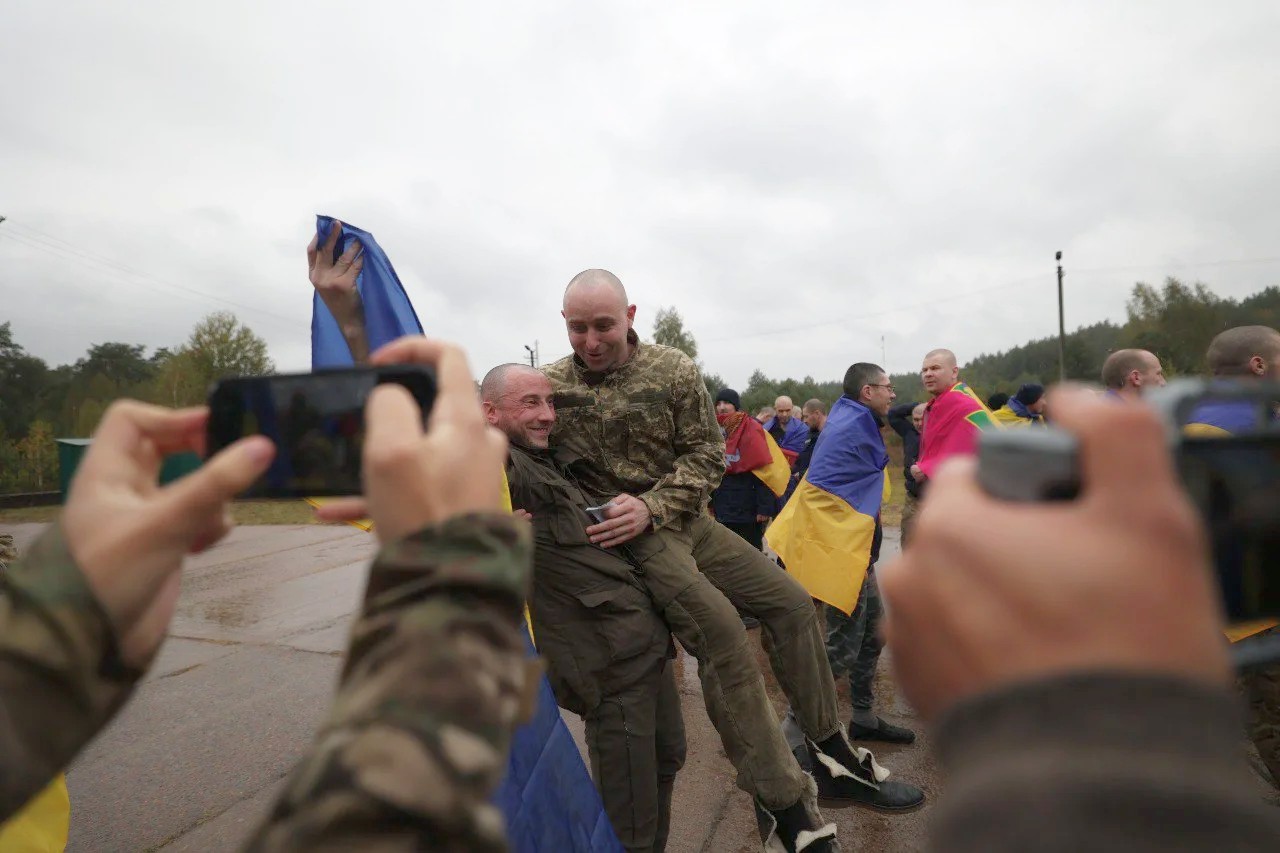
Exchange of prisoners of war on October 2, 2025. Photo: Telegram / Volodymyr Zelenskyi
When the exchange ended, we were taken by bus to our ancient Ukrainian town of Chernihiv. All the way we were warmly greeted by people with Ukrainian flags, among them there were many children. It was so touching that even the strictest of our men could not hold back tears of joy.
In Chernihiv, they brought us to the hospital, fed us, changed our clothes, gave us all mobile phones so that we could call our relatives and make them happy, and conducted an initial medical examination. After all, after the concentration camp and continuous torture, each of us had a whole bunch of health problems. I weighed only 53 kg with a height of 176 cm, and probably there was no organ that did not hurt: legs, back, head, heart, stomach. But, fortunately, tuberculosis was not found in me. So we were taken from Chernihiv to Kyiv, where we recovered our lost health in the hospital for a month. Later - another 14 days there. And recently I came from Odessa, where I spent 18 days recuperating in a sanatorium.
"Even such a life seems like paradise"
- When did you meet your relatives?
- When I was treated in Kyiv, my wife, sister and son came there. It was the happiest day for all of us. Now I live in Kharkiv with my family. After the Rashist hell, I am gradually returning to a normal life - albeit under continuous air alarms, but without torture. For me, even such a life in Kharkiv seems like a paradise.
- What helped you endure all these hellish torments?
- Memories of family, children, friends, native Kupyansk. And, of course, the unchanging belief that the Motherland has not abandoned us, even though racist agitators have been telling us the opposite all the time, but is doing everything to liberate us. And it really happened!
- What are your plans for the future?
- First of all, at least a little to restore undermined health and working capacity. And then I will actively engage in volunteering and help liberate our prisoners from racist torture camps. After all, many of our compatriots, my brothers, still remain there, and I know from my own bitter experience what kind of hell they are in.
Oleksandr Zubar led the conversation
* * *
The author of this interview, Oleksandr Zubar, has been giving voice to his compatriots for years: those who survived the occupation, went through torture chambers and returned from captivity. Today, he himself needs the support of his colleagues. He needs knee replacement surgery to walk again without pain. Its cost together with the implant is at least 150,000 hryvnias, and the family that lost everything in Kupyansk cannot raise this amount alone.
Every hryvnia brings Oleksandr Mykytovych closer to being able to walk again without pain. We ask everyone who is able to join the collection and spread this information.Monobank for collection:https://send.monobank.ua/jar/AbyT8vTK3d
The primary source is the National Union of Journalists of Ukraine
The site uses cookies. The necessary ones are required for its operation (entering the cabinet, saving your choice). We enable analytical and marketing data only with your consent - in accordance with the Laws of Ukraine "On Personal Data Protection" and "On Electronic Communications". Consent can be changed or withdrawn at any time. For more details, see the Cookie Policy and Privacy Policy .