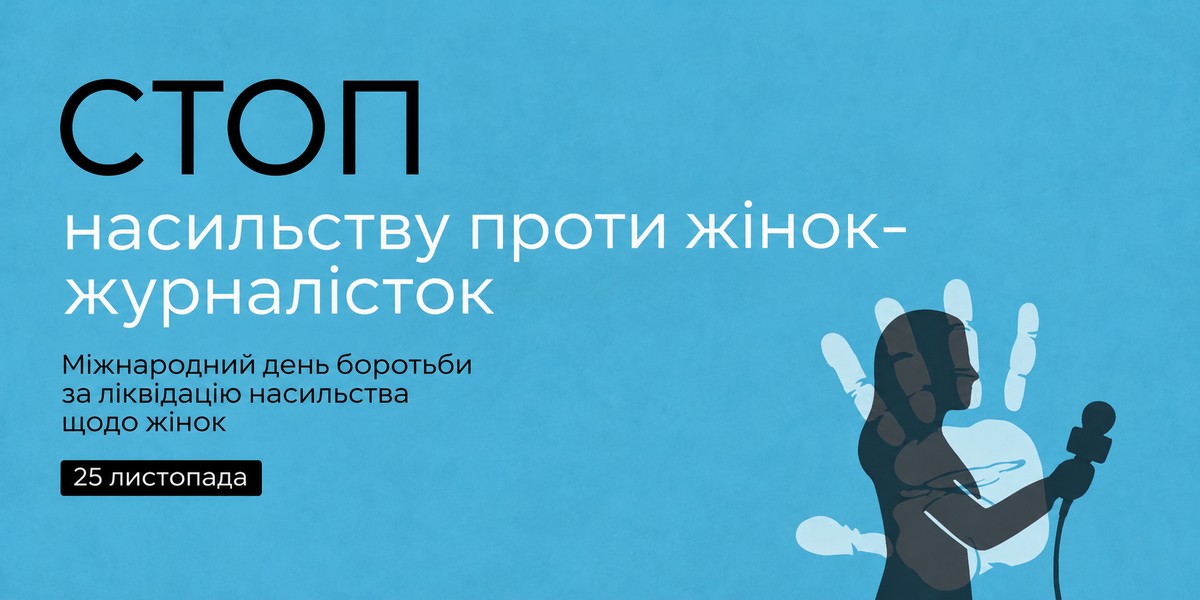
On the International Day for the Elimination of Violence against Women, 25 November, the European Federation of Journalists (EFJ) and its Gender and Diversity Expert Group (GENDEG) are calling for urgent action . The goal is to put an end to all forms of violence against women journalists and media workers, both online and offline.
A particularly alarming trend is the rapid increase in the number of online attacks. They happen more and more often and directly threaten the safety of female journalists. Across Europe, women journalists continue to face harassment, threats, sexual violence, discrimination and gender-based misinformation through their work and publicity. The aim of these attacks is to undermine the credibility of female journalists, limit their professional freedom and silence them.
The EFJ's 2025 monitoring, conducted together with Media Freedom Rapid Response, recorded 53 cases of gender-based violence against women media in EU member states and candidate countries. Most of these attacks took place online, primarily on social networks. These included smear campaigns, threats of sexual violence and sexist slurs.
At the same time, these numbers are only the tip of the iceberg: according to UNESCO, more than 70% of female journalists have experienced online violence related to their work.
International research suggests that online violence has a 'chilling effect'. Due to self-censorship, female journalists avoid sensitive topics both in social networks and in their professional activities, and young professionals hesitate to enter the profession. This directly undermines media pluralism and deprives the audience of important information.
AI: a new source of discrimination and violence against women
The emergence of generative artificial intelligence has created new serious risks. Deepfakes, edited sexual images, synthetic intimate content created without consent and AI harassment are used to humiliate and intimidate female journalists. This is happening at an unprecedented speed and on an unprecedented scale. The EFJ emphasizes that such abuses are gender-based violence. They have tangible consequences for victims' safety, well-being and ability to do their jobs.
This week, the European Parliament will consider the growing risks of technology-based gender-based violence. These include, in particular, online stalking, cyberstalking, sex extortion and AI-generated sexual deepfakes, which disproportionately affect women. In 2026, the Council of Europe adopted a Recommendation on accountability for technology-based violence against women and girls. It recognizes that AI and digital technologies can exacerbate discrimination, inequality and violence against women.
"Violence against female journalists is not an isolated or individual problem. This is a systemic attack on press freedom, gender equality and democracy in Europe. Artificial intelligence should not become a new tool to intimidate, humiliate and silence women who inform the society. We call on media organizations, platforms and authorities to act decisively, protect women journalists and ensure that no one has to choose between their own safety and the right to inform," said Elena Tarifa , head of the EFJ Expert Group on Gender and Diversity (GENDEG).
The EFJ calls on EU member states, candidate countries, the European Commission, digital platforms and media employers to recognize online violence and AI-powered violence as violence and not the inevitable price of publicity. To protect journalists from digital harm while preserving the public's right to information, it is also necessary to effectively implement the Digital Services Act and the European Media Freedom Act.
Media organizations should adopt and strictly adhere to a policy of zero tolerance for harassment and gender-based violence. They must also provide safe channels for reporting violations, conduct risk assessments, and protect victims from retaliation. Digital platforms must respond promptly to misogynistic images, coordinated harassment, doxing, and intimate content generated or edited with AI. Governments must ensure effective legal protection, access to justice and support for victims.
Freedom of the press is inseparable from the safety and equality of those engaged in journalism. On November 25, the EFJ reaffirms that it will continue to protect women journalists and build a media environment free of violence, sexism and discrimination.
The National Union of Journalists of Ukraine is a partner organization of the European Federation of Journalists. Lina Kush, the first secretary of the NUJU, is a member of the EFJ expert group on issues of gender equality and diversity.