The work at the site of the attack is actually different from the theory: how Lviv journalists covered the consequences of the Russian shelling
NUJU4 minutes of reading
Share:
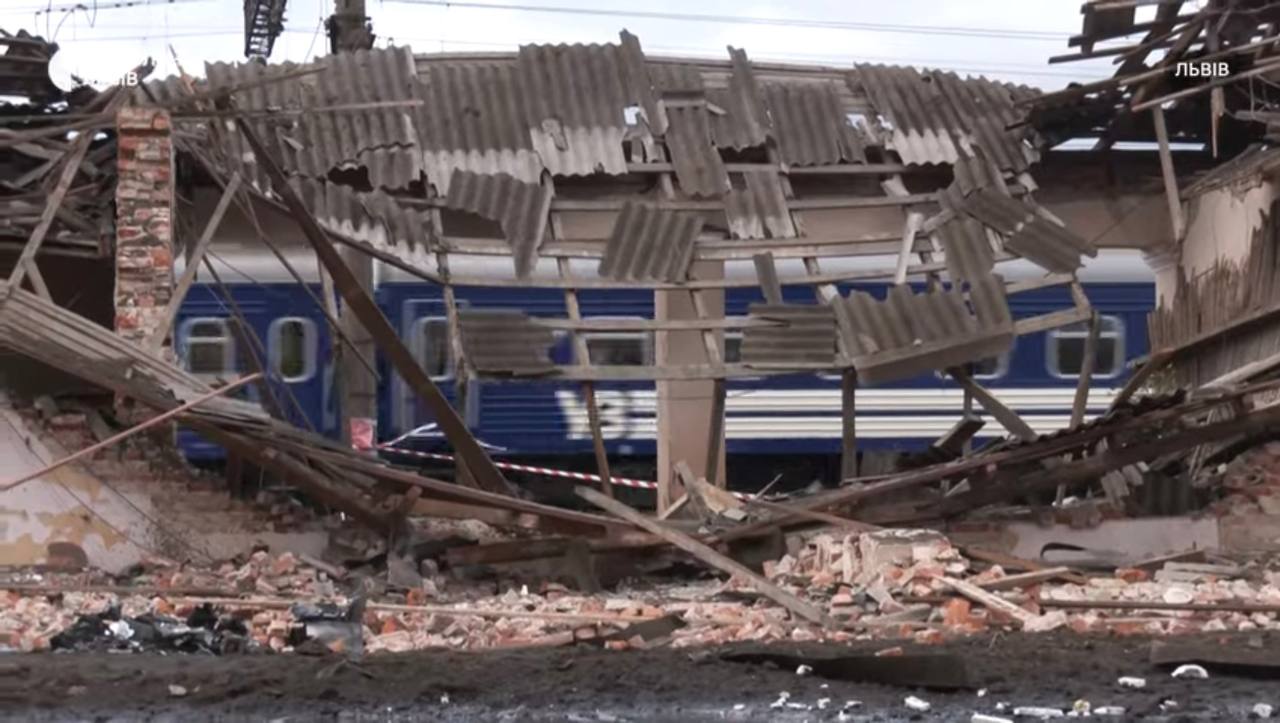
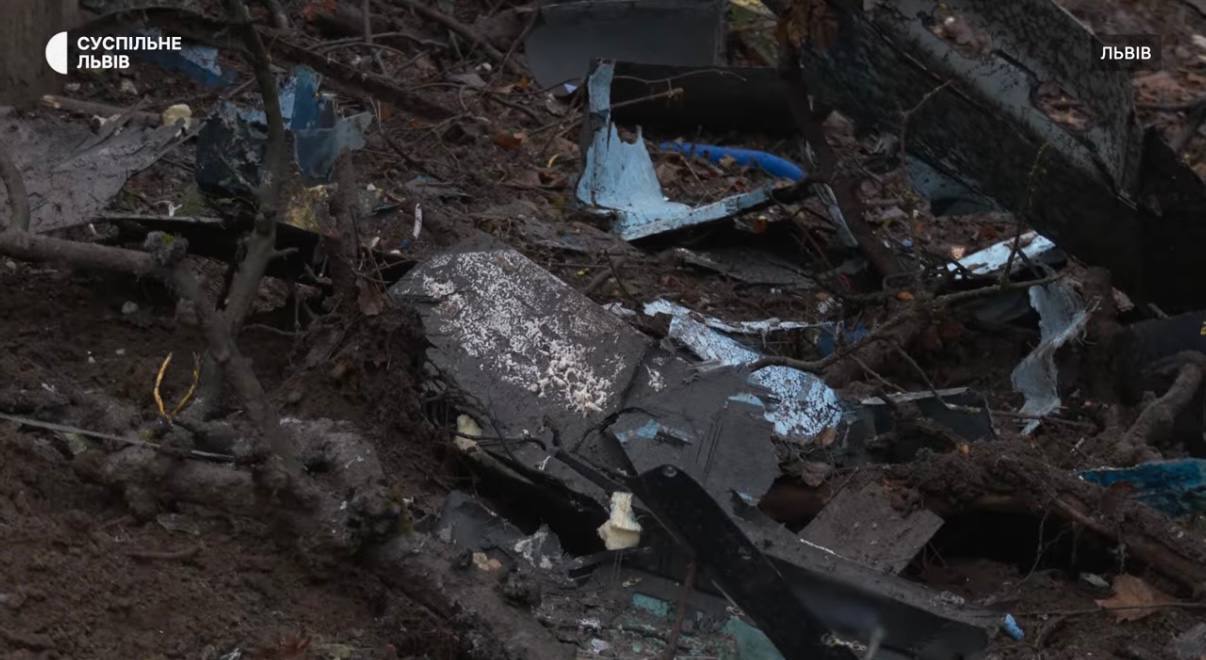
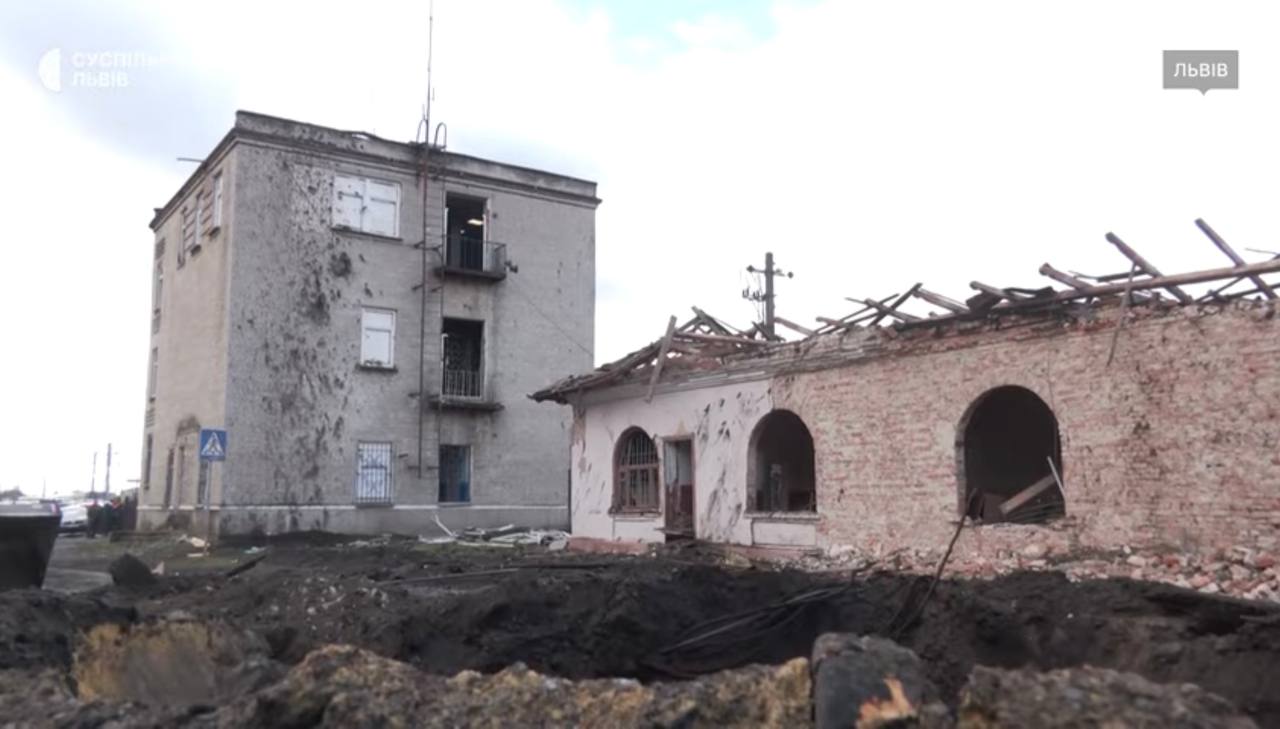
Russia attacked Lviv region with missiles and dronesin the morning of November 20. The Sknyliv power plant and railway station were destroyed. The dormitory was also damaged. As a result of the shelling of Lviv, two people were killed, in addition, there are injured.While the emergency services eliminated the consequences of the hits, Lviv media workers worked at the locations to quickly inform the community about the consequences of the attacks and document the war crimes of the Russian Federation.
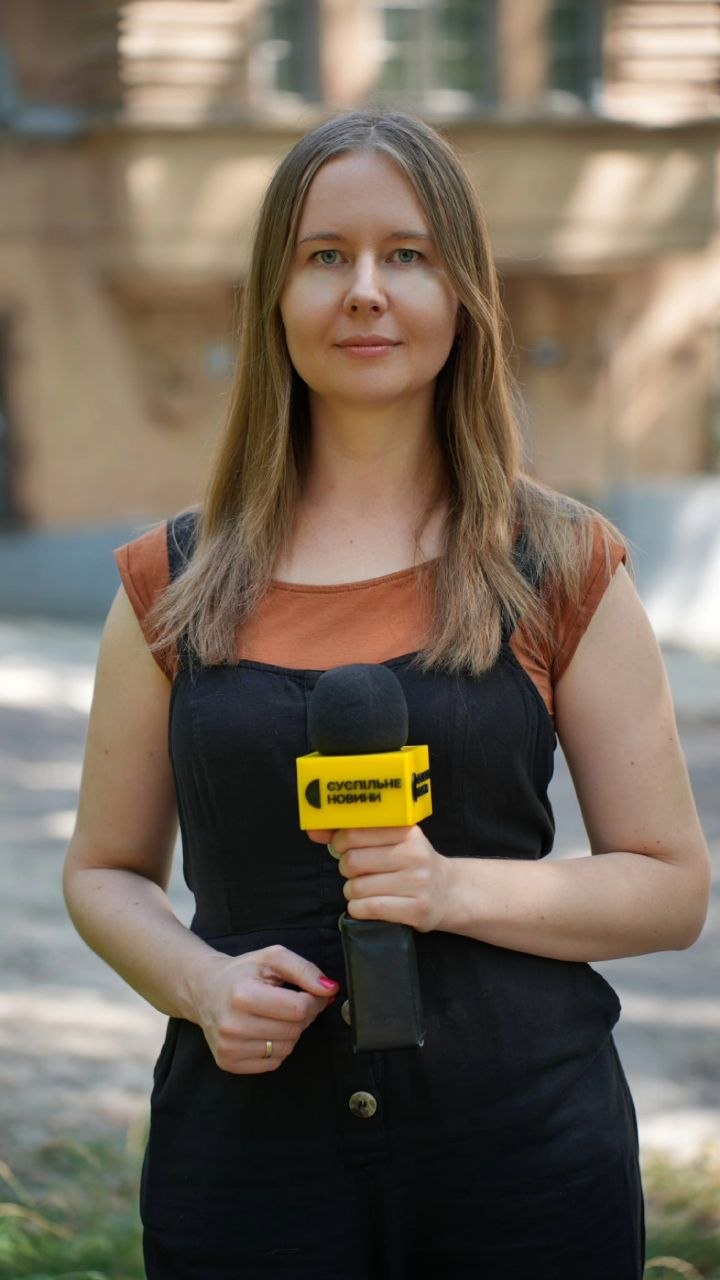
Despite the fact that Lviv is a rear-line city, work at the sites of shelling requires clear coordination and compliance with safety rules from the newsrooms. The correspondent of "Suspilne. Lviv" Olga Ivashchuk and the journalist of "Persho Zakhidny" Vitaly Kovela told the Lviv Center of Journalistic Solidarity about how to work at the sites of the hits.
Media journalist Olga Ivashchuk worked at the sites of the hits after the air raid ended. But in fact, the work of the film crew begins even before the break-off. While the journalists are still in a safe place, they are already allocating locations and coordinating logistics in the working chat.
According to Olga Ivashchuk, in crisis situations, the main priority is the prompt submission of verified information.
"Today, I arrived at the location earlier than the cameraman, as he had to go from home to the studio to get the camera, and then to the location. So, I arrived earlier, took pictures and took pictures of the consequences of the explosion on my phone and talked to an eyewitness. I quickly dropped it in the work chat. My colleagues processed this material," the correspondent noted.
Thanks to this, Suspilny journalists were able to quickly review the content and published it on the broadcaster's official page, while the film crew was preparing a detailed television story.
Olga adds that the process of finding heroes for the material at the site of the attack is always situational. Journalists talk to passers-by and residents of nearby houses, find out whose house or car was damaged, and ask if people are ready to talk about what they experienced.
"We ask the people who are there if they know whose apartment or car was damaged. Then we ask if they can tell on the record what they heard and saw. Be sure to name the media that we represent. We can show ID. Of course, if a person is in a state of shock, cries, screams, etc., we do not approach him," noted Olga Ivashchuk.
As for the editorial policy of publications, filming of damaged civilian objects (apartments, facades, cars) does not require special permits - in contrast to objects of critical or military infrastructure, the publication of which is strictly prohibited.
Olga Ivashchuk admits that in practice, work on location often differs from theoretical ideas. Journalists do not always wear bulletproof vests and helmets, but the basic safety measures remain the same.
In particular, you cannot go beyond the places fenced off with a special tape. And if an alarm is sounded during filming, they try to take cover.
The correspondent advises colleagues who have not previously covered the consequences of shelling to remember four key things:
Orientate yourself in the Law of Ukraine "On Information" and regulations governing the work of the media during martial law.
Always carry a certificate with you, as well as obtain the accreditation of the Armed Forces of Ukraine in advance - it is mandatory, in particular, for shooting at railway facilities.
Do not cross the border tape, as fragments or unexploded parts of ammunition may remain on the territory.
Respond to repeated alarms. If there is a danger while working on location, filming should be stopped.
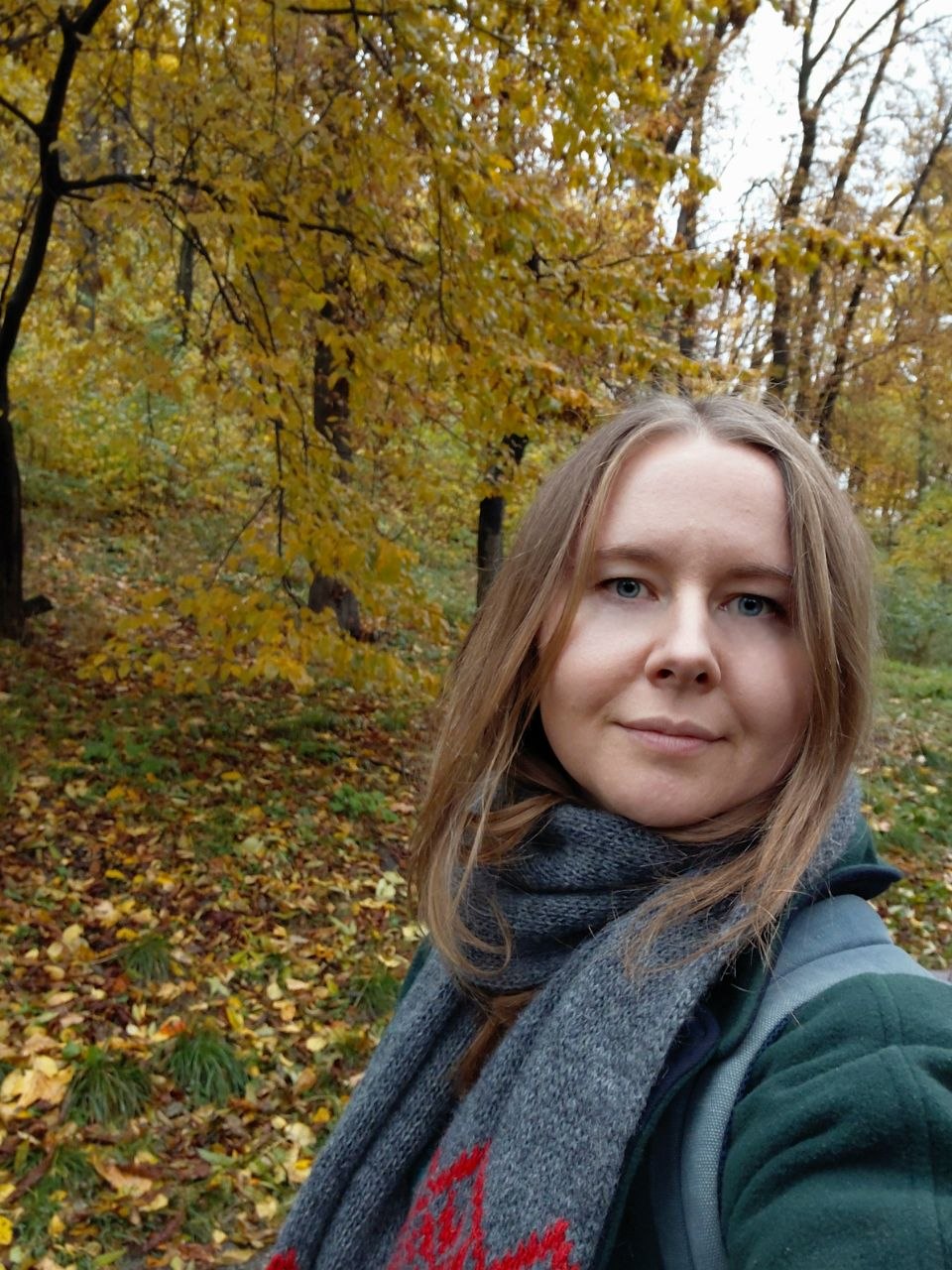
Vitaliy Kovela also spoke about the work at the locations. According to him, the main task of the film crew is to act quickly, identify key points and find speakers.
"If you want to shoot, don't ask anyone and don't negotiate. Just go and shoot. Usually, this is the most effective method by which you can quickly prepare a release," the journalist noted.
During filming, he follows the basic rules: he does not approach dangerous objects, leaves only after an alarm and tries not to disturb law enforcement officers and rescuers.
The editor decides what content to make public. Verified stories from the scene of the event are published according to the principle of "now and for now", because it is important to keep up with colleagues.
However, if the plot is not yet balanced and needs additional comments or details, it is not broadcast immediately. Care is also taken to avoid mentioning any landmarks or objects by which the enemy can identify the location.
When communicating with the victims, the journalist behaves especially cautiously.
"It should be done very delicately. Try to find a common language, do not be obtrusive, paying attention to the emotional state of the person. You need to be a bit of a psychologist here," Vitaly adds.
Despite the fact that such trips are not always physically exhausting, they leave an emotional imprint. To recover after filming, switching attention and sports help the journalist.
"Working at the sites of enemy hits always carries high risks - even in relatively rear communities there is a threat of repeated strikes or the collapse of damaged structures. It is fundamentally important for us that journalists put their own safety before efficiency. We urge our colleagues not to neglect the means of personal protection," emphasized the coordinator of the Journalist Solidarity Center in Lviv, Nataliya Voytovych .
We would like to remind you that all media workers can get a bulletproof vest with a "PRESS" sticker free of charge, which consists of certified plates of protection class 4, a helmet and a first-aid kit, in order to quickly provide medical assistance.
Do not neglect your own safety, because a bulletproof vest can save your life. Contact the Centers the day before and get the necessary equipment.
The Network of Journalist Solidarity Centers is an initiative of the National Union of Journalists of Ukraine, implemented in cooperation with the International and European Federations of Journalists, UNESCO, and with the support of the people of Japan. Our main goal is to help media workers working in Ukraine during the war. The centers work in Kyiv, Kharkiv, Zaporizhzhia, Dnipro, Lviv and Ivano-Frankivsk. This project is part of UNESCO's broader efforts to support the safety of journalists and freedom of speech in Ukraine.
Contacts of the United Center of Journalistic Solidarity Lviv-Sumy: 097 907 97 02 (Natalia Voytovych, coordinator of the Lviv Center, Volodymyr Sadivnychiy – coordinator of the Sumy Center,+0505822517 ).
Darya Markova
The primary source is the National Union of Journalists of Ukraine
The site uses cookies. The necessary ones are required for its operation (entering the cabinet, saving your choice). We enable analytical and marketing data only with your consent - in accordance with the Laws of Ukraine "On Personal Data Protection" and "On Electronic Communications". Consent can be changed or withdrawn at any time. For more details, see the Cookie Policy and Privacy Policy .