Gude "shahed": help the wounded or seek shelter? In Kharkiv, the media worked out both scenarios
Kharkiv region5 minutes of reading
Share:
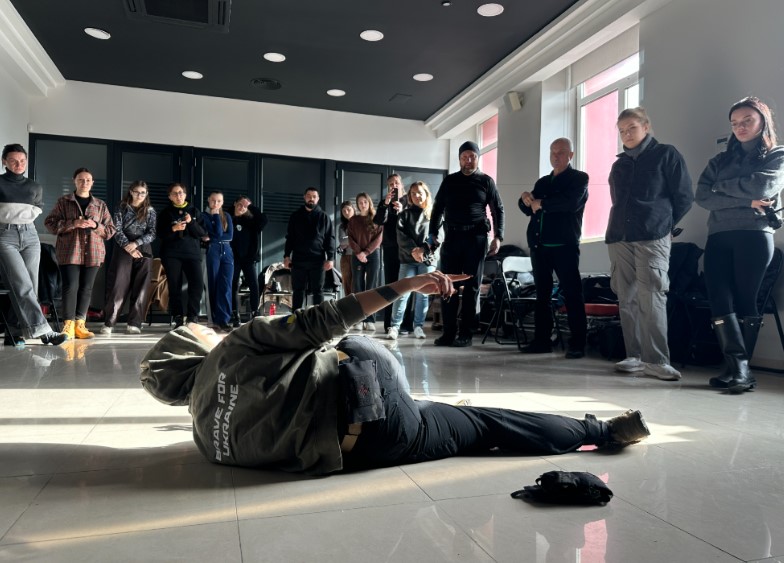
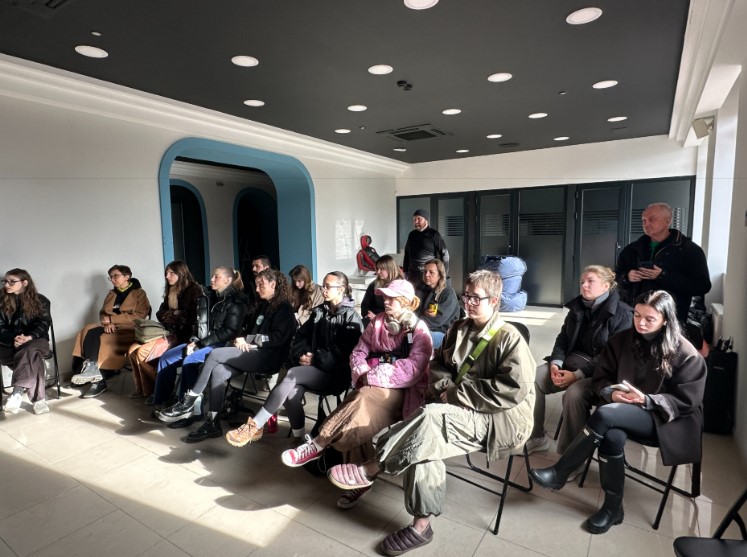
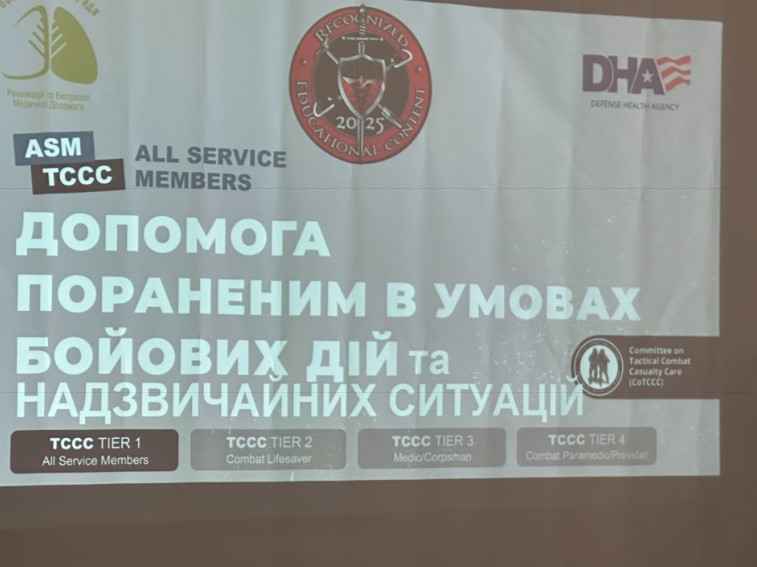
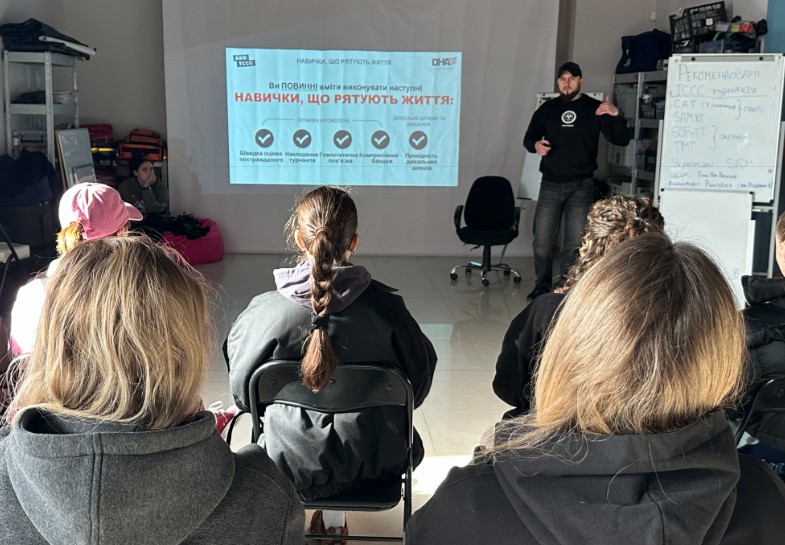
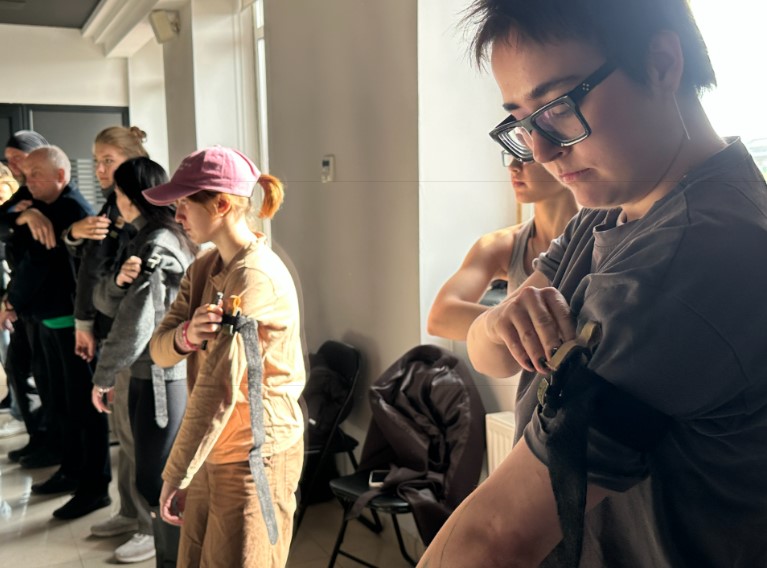
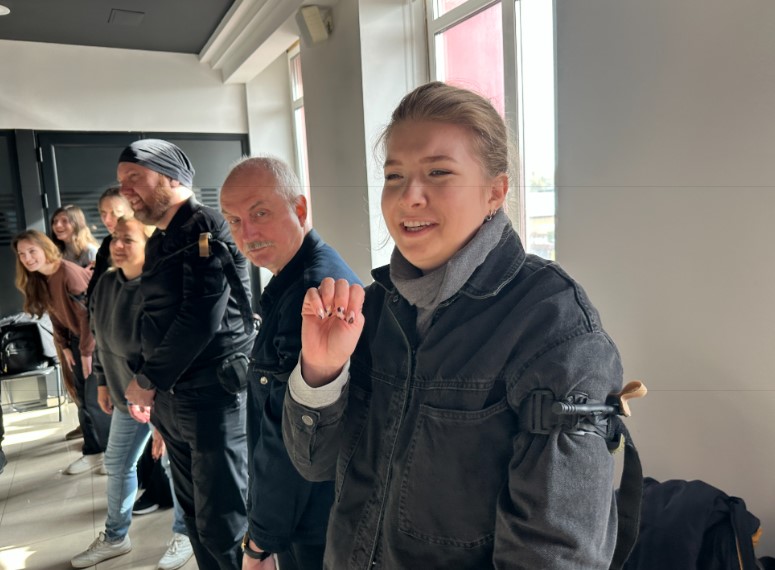
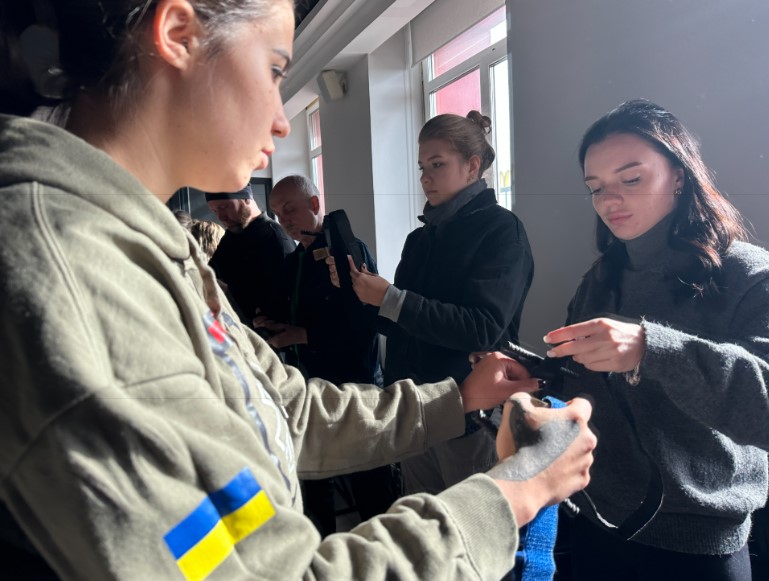
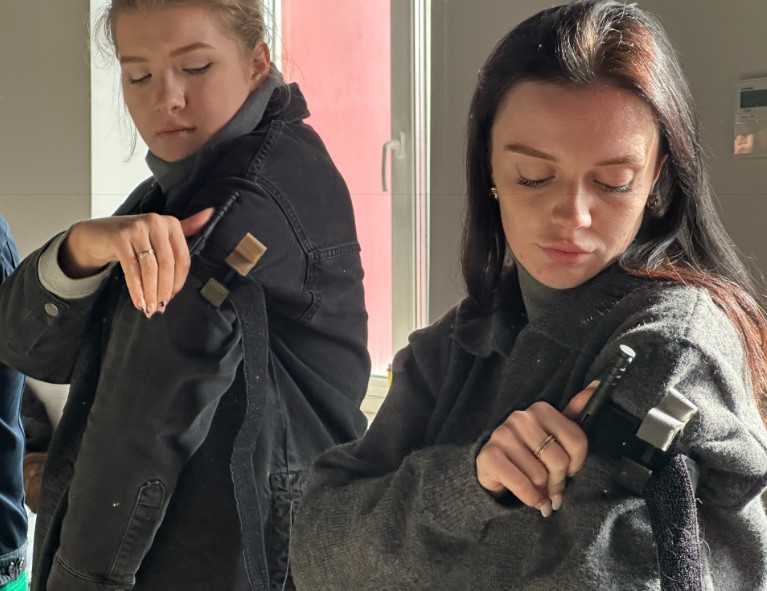
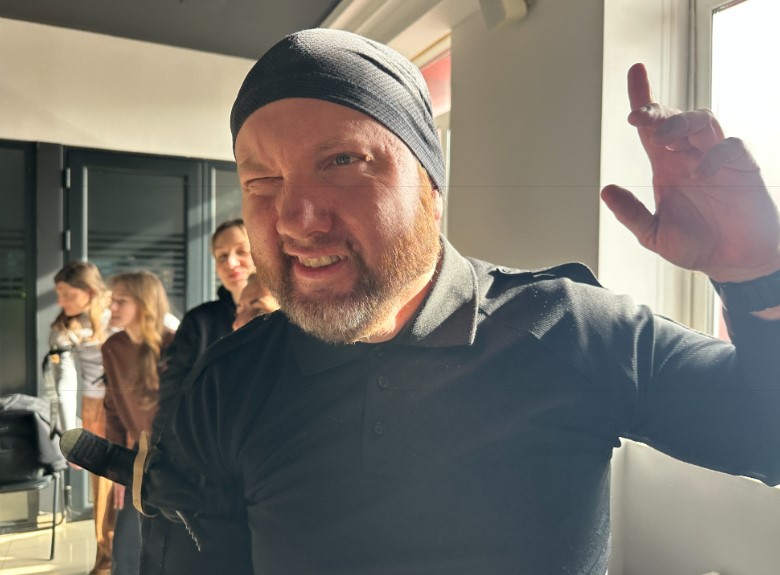
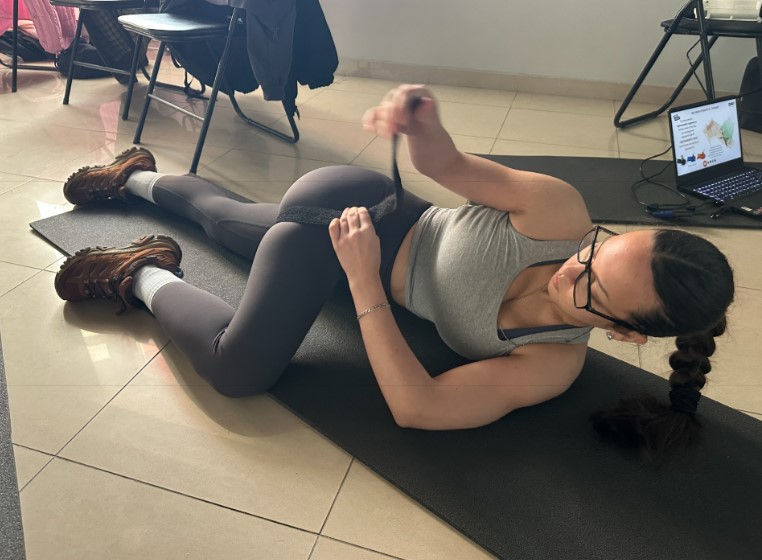
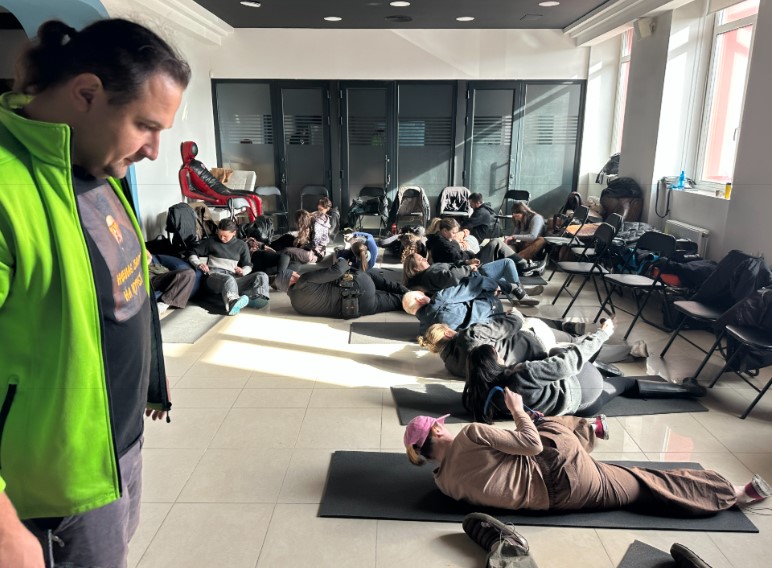
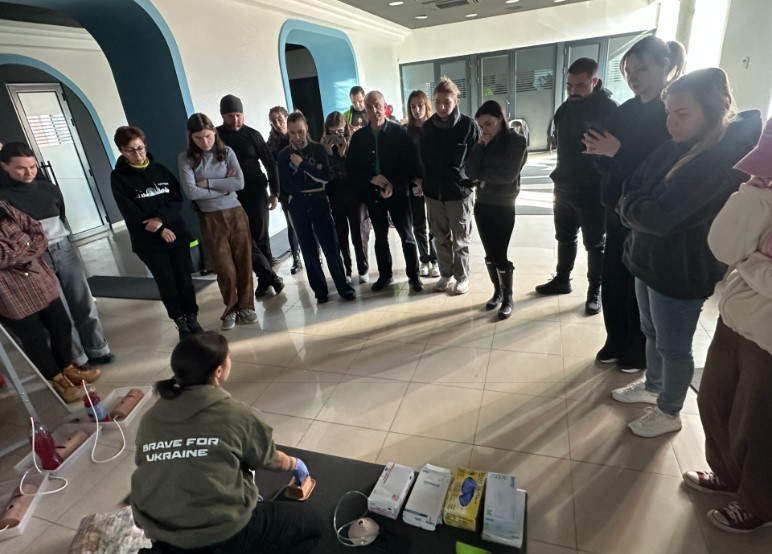
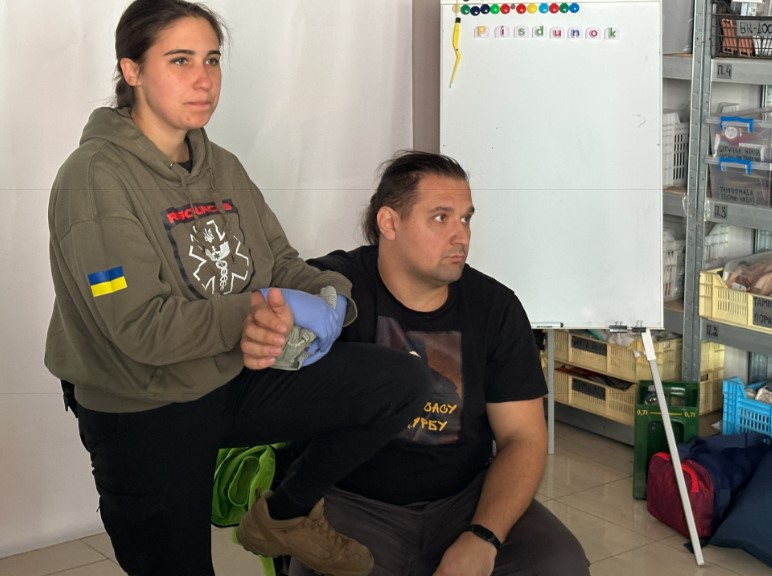
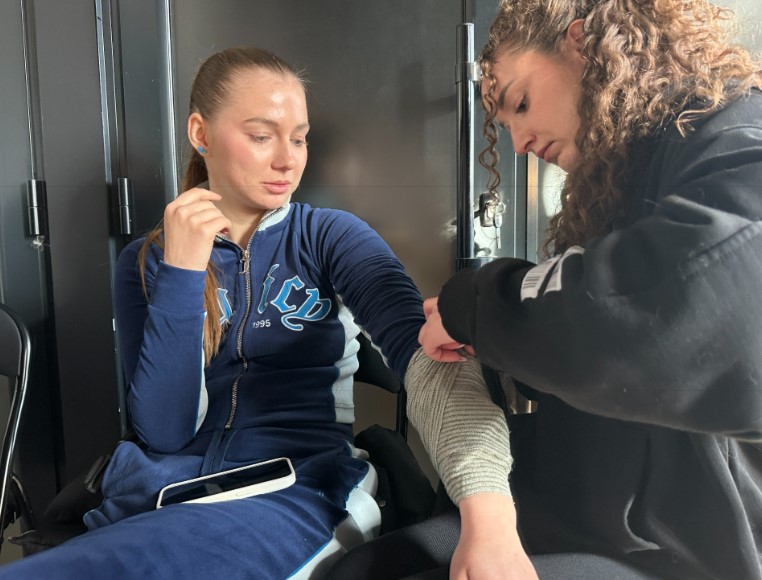
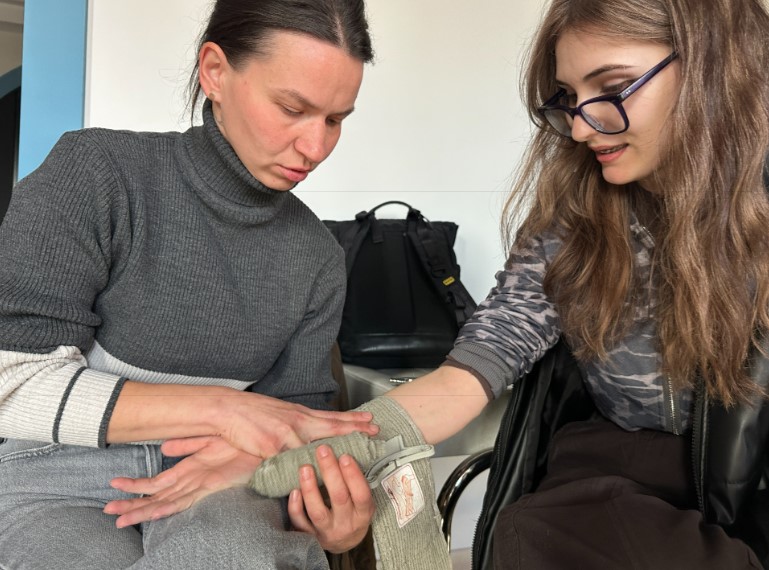
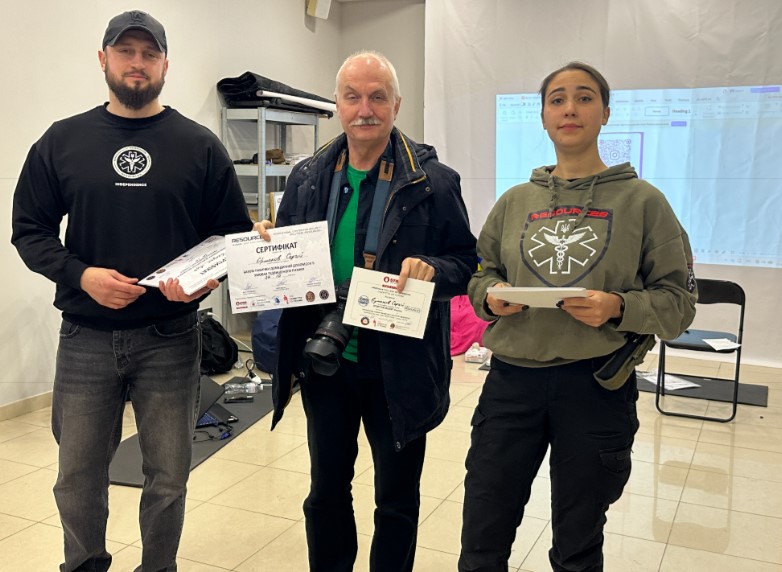
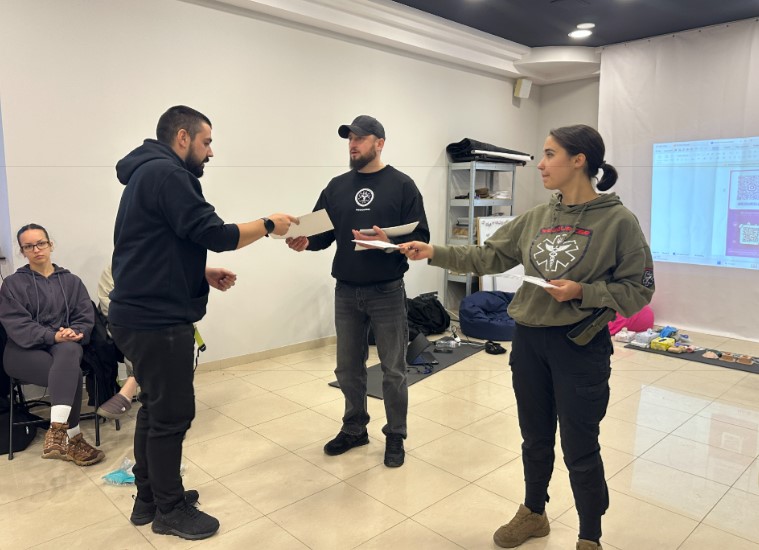
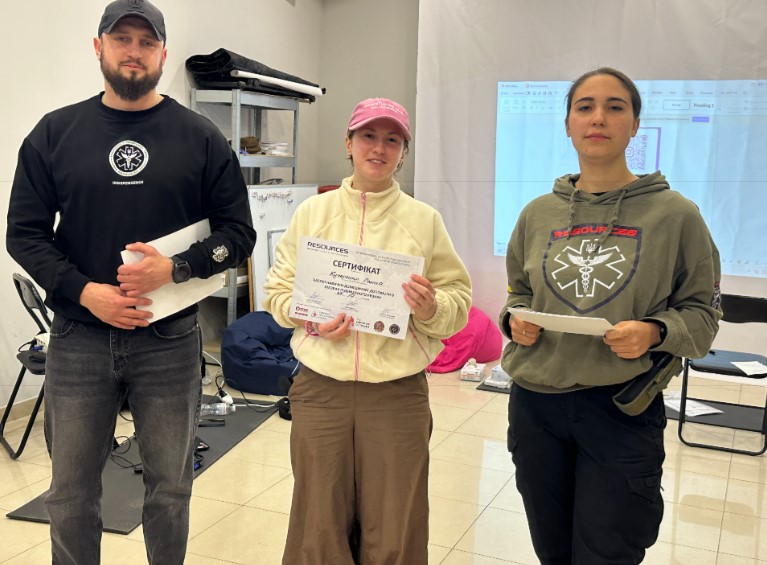
This happened on the day when Russian troops struck Kharkiv four times. So the threats here were talked about as a daily reality: the participants of the tactical medicine training, organized by the Kharkiv Center for Journalistic Solidarity of the NUJU, learned to stop bleeding, apply tourniquets and act when there are many victims. And also - to recognize danger, even when all attention is focused on the person you are trying to save. The instructors were rescuers from the "RESOURCES International Center for Security Solutions" team, who work as part of the RESOURCES rapid response group (RSG).
"Shahed" is nearby: when help should be interrupted
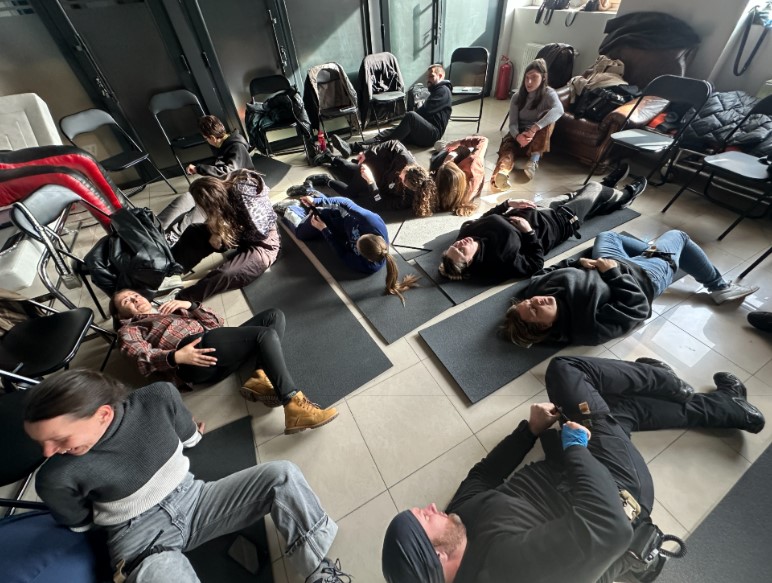
The sound of a Russian drone, which has become eerily familiar to many Ukrainians, was used by the instructors in the lesson. Not for effect, but to remind: focusing on the wounded, you can not notice the danger to yourself.
Serhii , instructor of the International Center for Security Solutions "RESOURCES", explains: the psyche gradually adapts to the sounds of war, and a person can stop reacting to what really needs attention.
"Today, we used the sound of "shaheda" at the exercises on purpose, because we are all used to these sounds. Unfortunately, our psyche adapts to this unpleasant sound, and we hardly react to it anymore. But if we hear such a sound, and then understand that it is already going down, hear it very clearly, this indicates that we are somewhere very close. And you have to react to such sounds," Serhiy says.
Your own safety is first of all. If there is a threat of a second attack, you need to seek shelter. Otherwise, the one who tries to save another can become a victim himself.
This rule is especially important for media workers who work at the sites of Russian strikes.
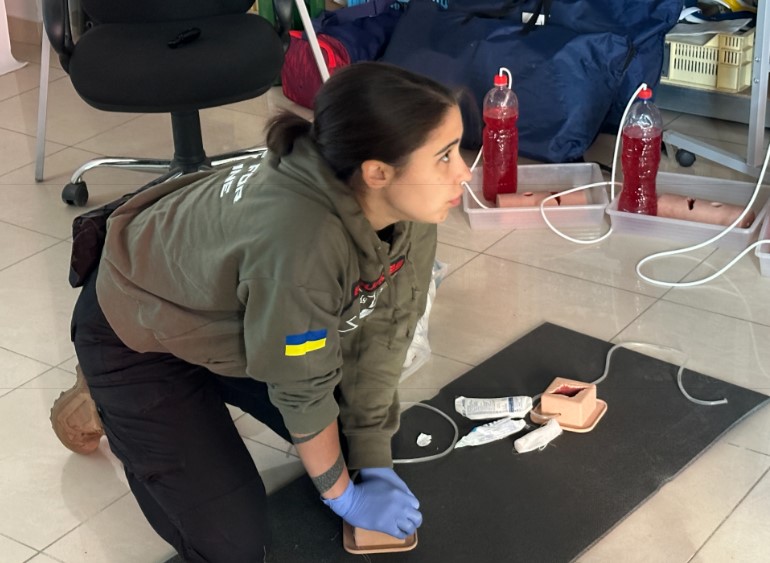
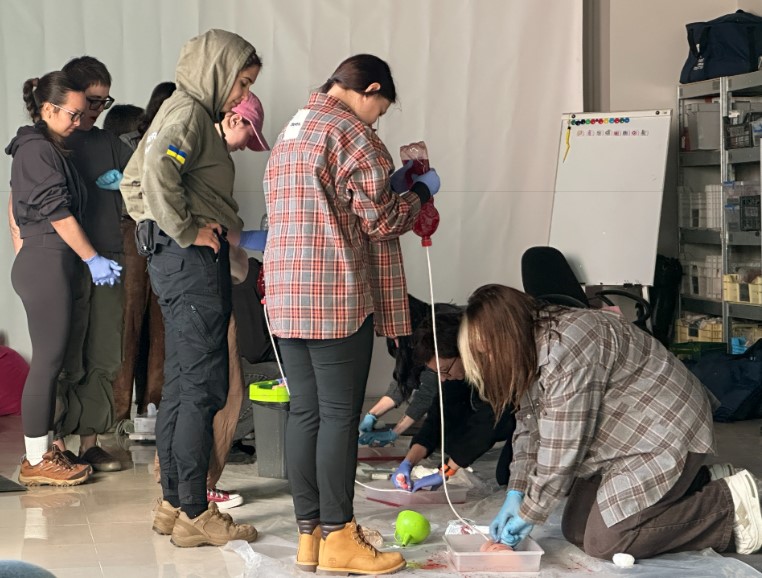
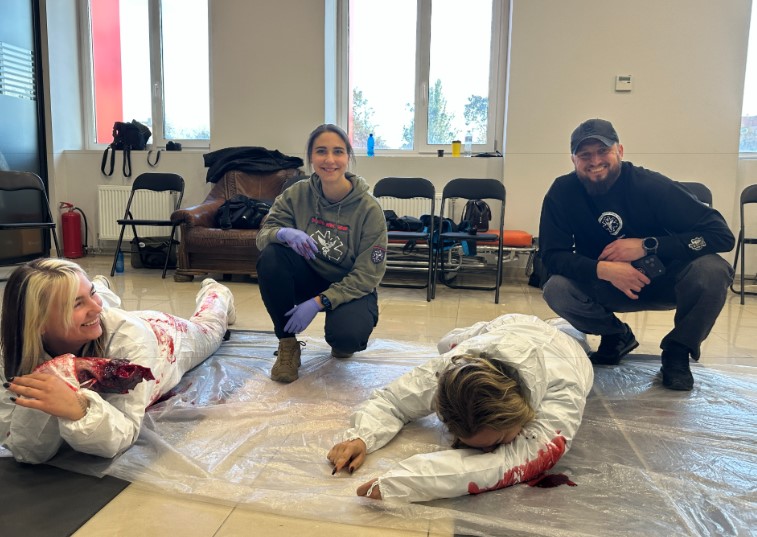
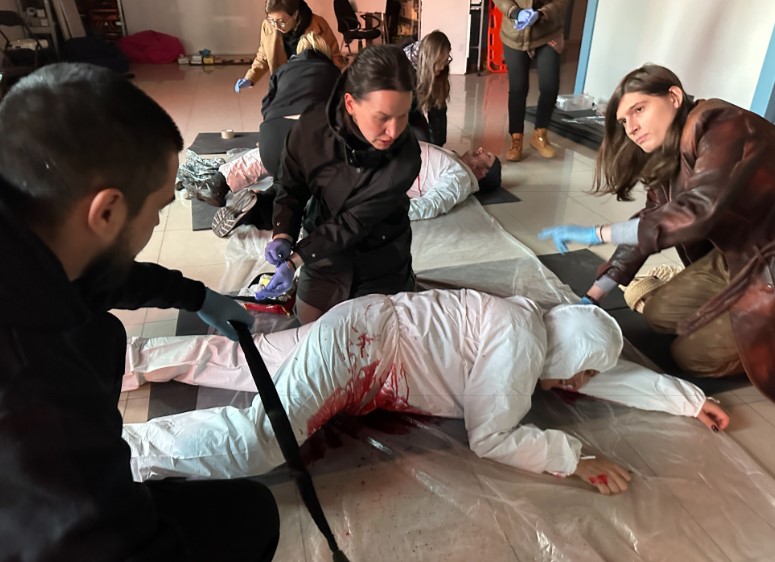
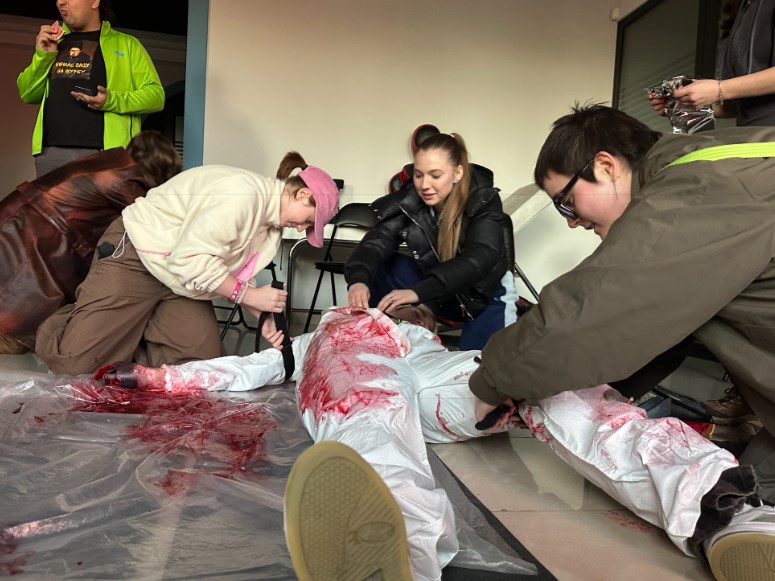
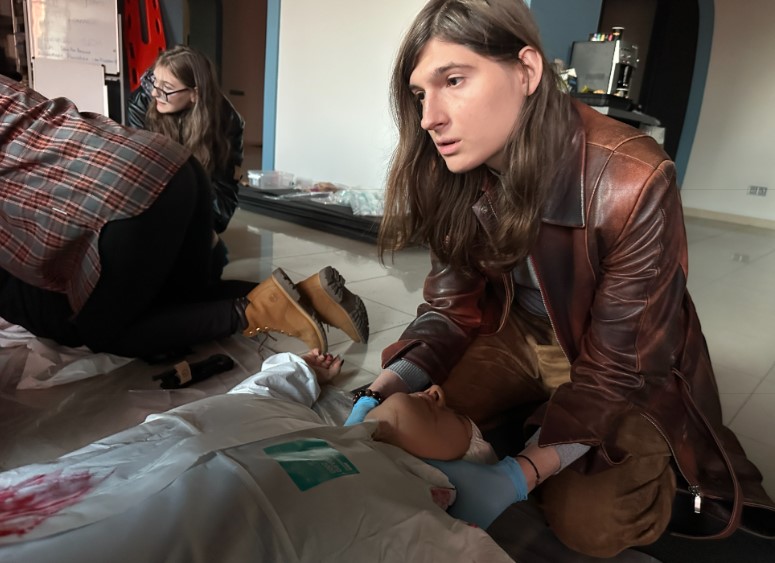
The last part of the six-hour training was working out the scenario of an attack on a shopping center with a large number of victims and multiple shrapnel wounds. The participants had to act consistently, based on the learned algorithm.
From Lozova - to Kharkiv to study
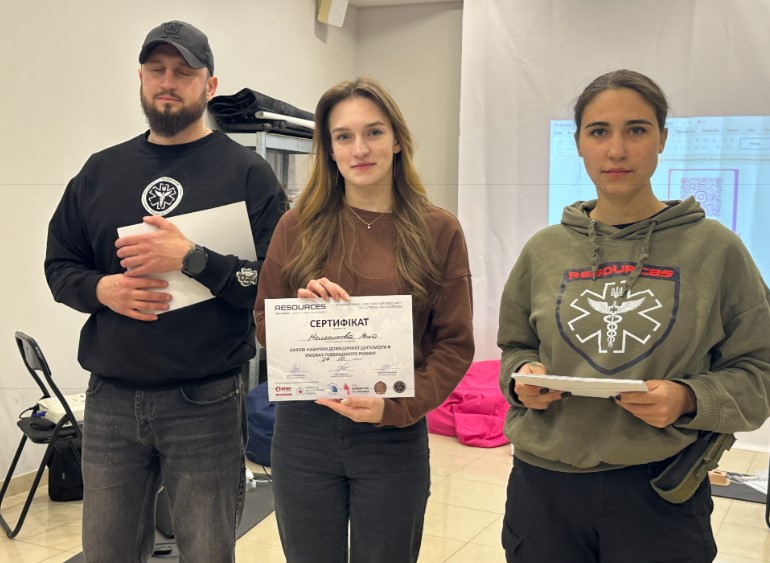
Yana Melnikova works as a journalist at the Vector shopping center in Lozova. Recently, Russian attacks on the city have become more frequent. Recently, the Russians hit a local market during the day when people came to shop. People died. On the night before the training, another attack took place – again in the city center.
Because of this, Yana and her partner specially came to Kharkiv to undergo training in tactical medicine.
"The last arrivals on the market are just an ordinary working day. People came to shop. There was an arrival. I won't say that with such a blow it would be possible to save someone from those who died, but at least to provide first aid to the rest of the victims or simply to find their way around is already very important," the journalist says.
In a critical situation, a person can get confused. Knowing the algorithm helps to orientate, call for help and determine what to do next.
Yana emphasizes something else: a prepared person can not only help someone nearby, but also explain what kind of help she needs if she finds herself among the victims.
The danger does not end with the working day
For journalist Hanna Kucherenko from the "Lyuk" media, this training was the first experience of training in tactical medicine.
Hanna lives in a front-line city, not far from a critical infrastructure facility that has been repeatedly shelled. After one of the attacks, she realized that she wanted to learn first aid.
"This is my first time on takmed, and for me it is very important in the conditions we are in now. Especially in a front-line city, I think it is very necessary to have such a skill. Every civilian and military person must have at least some basic first aid skills," says Hanna.
Her story reminds us: in order to be close to the victims, it is not necessary to go to the place of shelling. Danger can occur at home, on the way to work or during normal daily activities.
You don't go to shelling? This does not mean that you do not need takmed
For Natalia Kobzar, the editor of Status Quo media, the training turned out to be more practical than she expected. Natalia herself does not go to the sites of Russian attacks, but lives in a front-line city and understands that danger can arise anywhere.
"The most valuable thing is that everything was explained simply and practiced with hands. There was no extra theory, and at the same time there was no extra tragedy or any kind of heroization," Nataliya shares.
She admits that she hesitated whether it was worth going to the training: she thought that the course was more necessary for colleagues who go to shelling and the front. However, during the training, I was once again convinced that everyone needs to take care of their own safety.
"I can separately note that it was very useful for me to hear again that one's own safety and protection is a priority and a top priority. I hesitated for a long time whether to attend this course, because, to be honest, I always believed that there were colleagues who needed it more - because they go on arrivals and to the front. And I don't go. Thank you for reminding me that I still have to take care of myself and, if possible, someone else."
Practice does not guarantee that everything will be done correctly in an extreme situation. But it helps to practice actions in advance and feel better prepared for danger.
Repeating takmed once every six months is not a whim, but a necessity
Instructor Daria believes that everyone needs first aid courses.
"Such classes are needed at least once every six months. Because protocols are updated, knowledge is lost, skills are also lost, unfortunately. That is, it's worth updating your skills, it's worth practicing scenario exercises," Darya emphasizes.
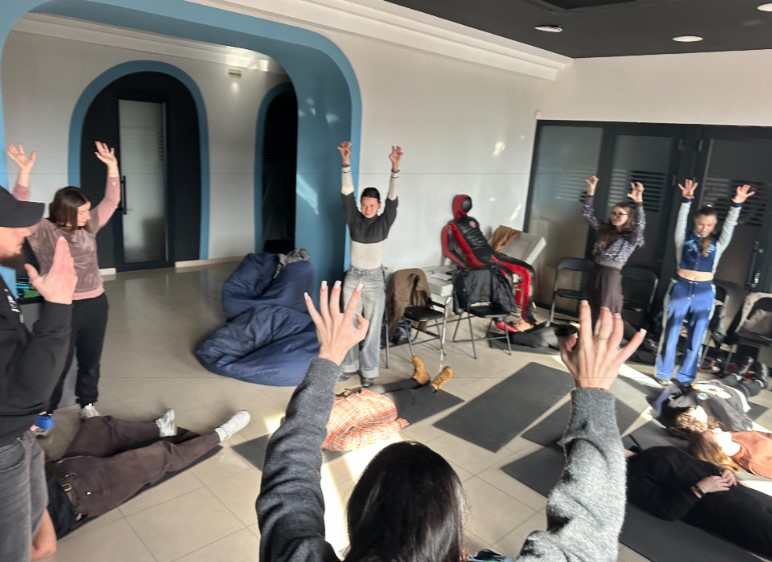
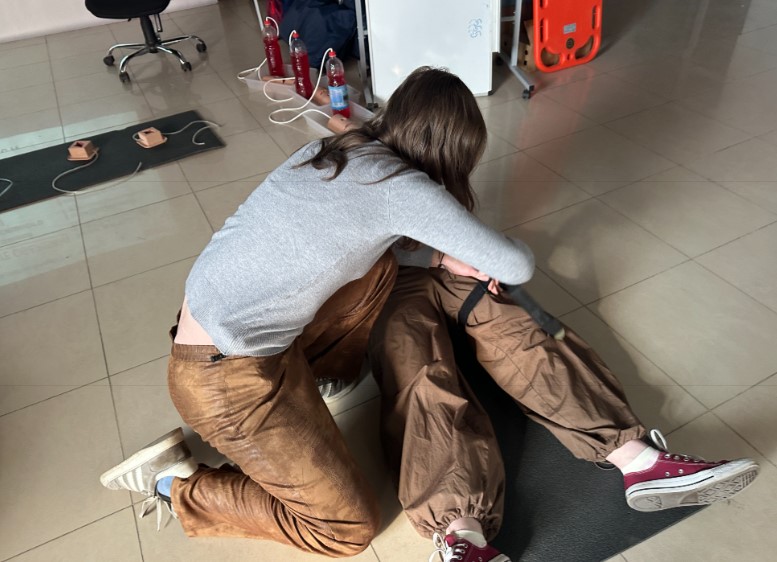
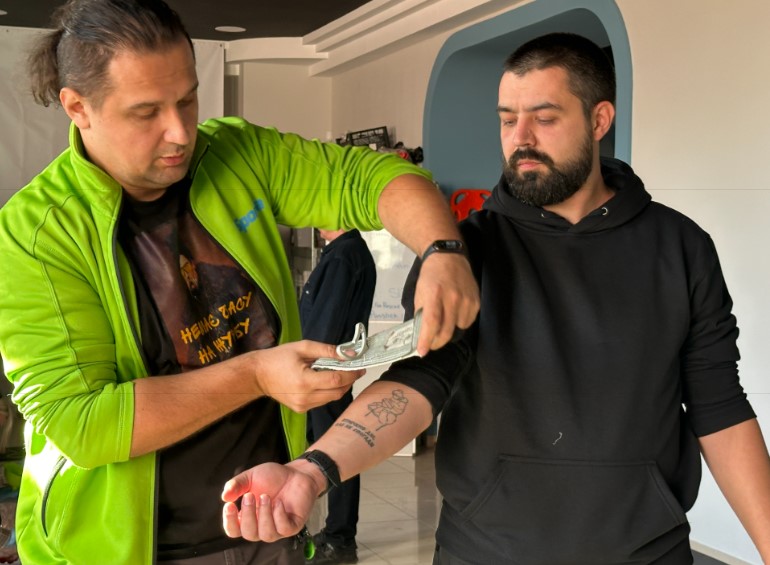
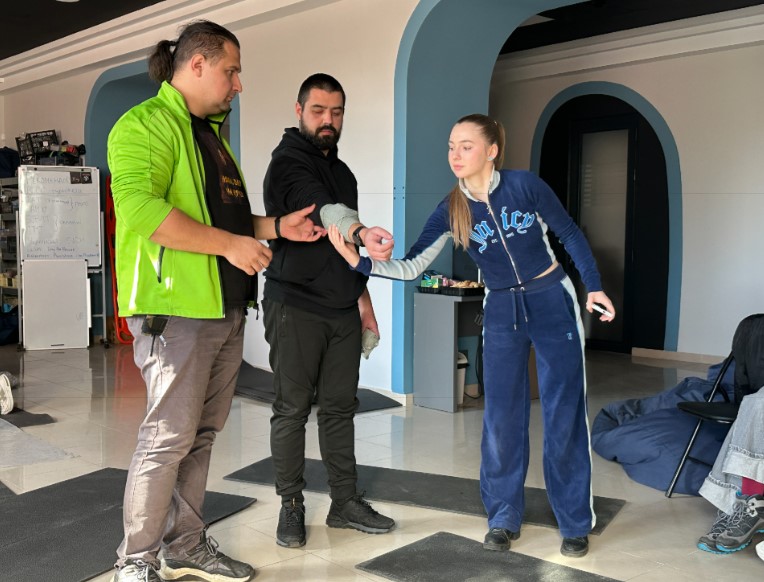
At the training, the participants worked out the MARCH algorithm - the sequence of actions when providing aid to the injured. They learned how to react to critical bleeding, work with tourniquets and act in conditions where there may be many victims.
Darya reminds: in Kharkiv such situations are not abstract examples from a textbook. Injuries from Russian attacks require a quick response, and when there are several victims, it is especially important to act consistently and not waste time.
What should be remembered after training
Safety is first of all. Don't put yourself in danger trying to help someone else.
Knowledge needs to be practiced. Listening to a course and being able to act in a stressful situation are not the same thing.
Skills need updating. Instructors advise to return to training at least once every six months.
Preparation is needed not only for those who go out for shelling. Danger can occur at work, at home or on the way to your business.
The event was implemented within the framework of cooperation between the NSSU and the independent organization for freedom of speech and independent media FreePressUnlimited(FPU).
Contacts of the Center for Journalistic Solidarityin Kharkiv -phone: 093 813 75 44 (coordinator Hanna Chernenko).
Kharkiv State University
The primary source is the National Union of Journalists of Ukraine
The site uses cookies. The necessary ones are required for its operation (entering the cabinet, saving your choice). We enable analytical and marketing data only with your consent - in accordance with the Laws of Ukraine "On Personal Data Protection" and "On Electronic Communications". Consent can be changed or withdrawn at any time. For more details, see the Cookie Policy and Privacy Policy .