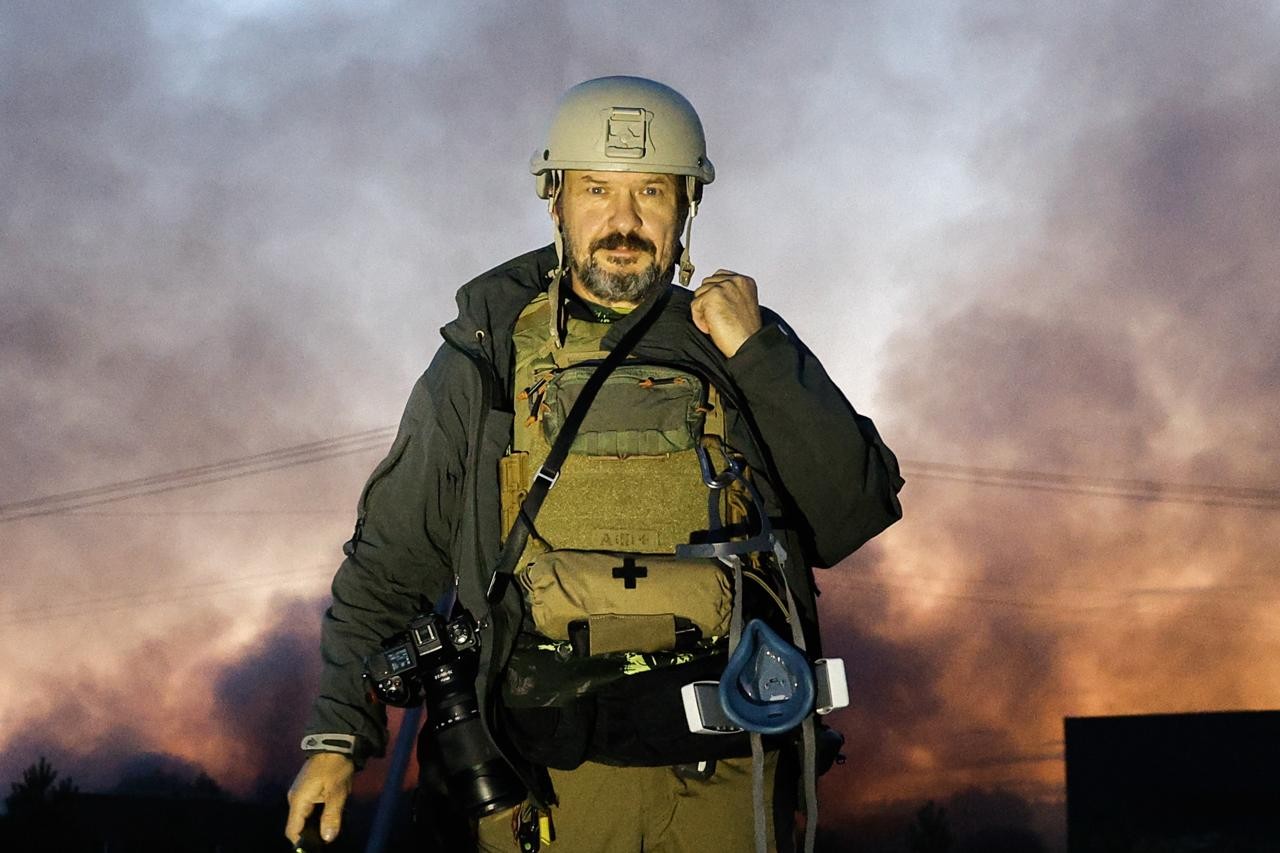
"The first-aid kit should be with you even when you go to the store," AFP photojournalist Yevhen Savilov
NUJU12 minutes of reading
Share:
"I am often asked: why are you not afraid to go to war? I answer: in fact, everywhere is dangerous in Ukraine now," says Yevhen Savilov. The AFP photojournalist has been working in "hot spots" since the 1990s and is convinced that the one who survives is the one who has the habit of minimizing risks. There should be no more people in the car than there are doors, a bulletproof vest - on you, not in the trunk, a helmet - or on your head, or at least nearby to put it on in a second...
About why the blue vest has become a thing of the past, why there is a person in the group of journalists who "just looks around", and why the "Press" sticker is actually needed - a conversation of the information service of NUJU with photographer Yevhen Savilov, who was awarded the Order of Merit III degree in August at the request of the Union.
"A group of people in strange clothes is already an event"
For the first time, our interlocutor was in the conflict zone in 1997-1998: the Ministry of Defense then transported journalists to Ukrainian peacekeepers in Bosnia and Herzegovina. Then there were Kosovo, Sierra Leone, Liberia, Iraq.
And in 2014, the war came home. From the Maidan, Savilov went straight to the Crimea, but soon had to get out of there.
- A citizen of Ukraine, and also a person from Kyiv - there were a lot of people who didn't like it, - he recalls.
Then there was the east. In the spring and summer of 2014, the photographer lived there for almost five months, only occasionally visiting home...
Since then, almost everything has changed - however, not in journalism itself, but in the conditions in which it works. In 2014, the film crew, by agreement with the military, calmly approached the positions by car and moved freely on the spot. The risk of coming under fire, of course, was there, but it remained controlled: the range of small arms was known, and it was possible to work with it.
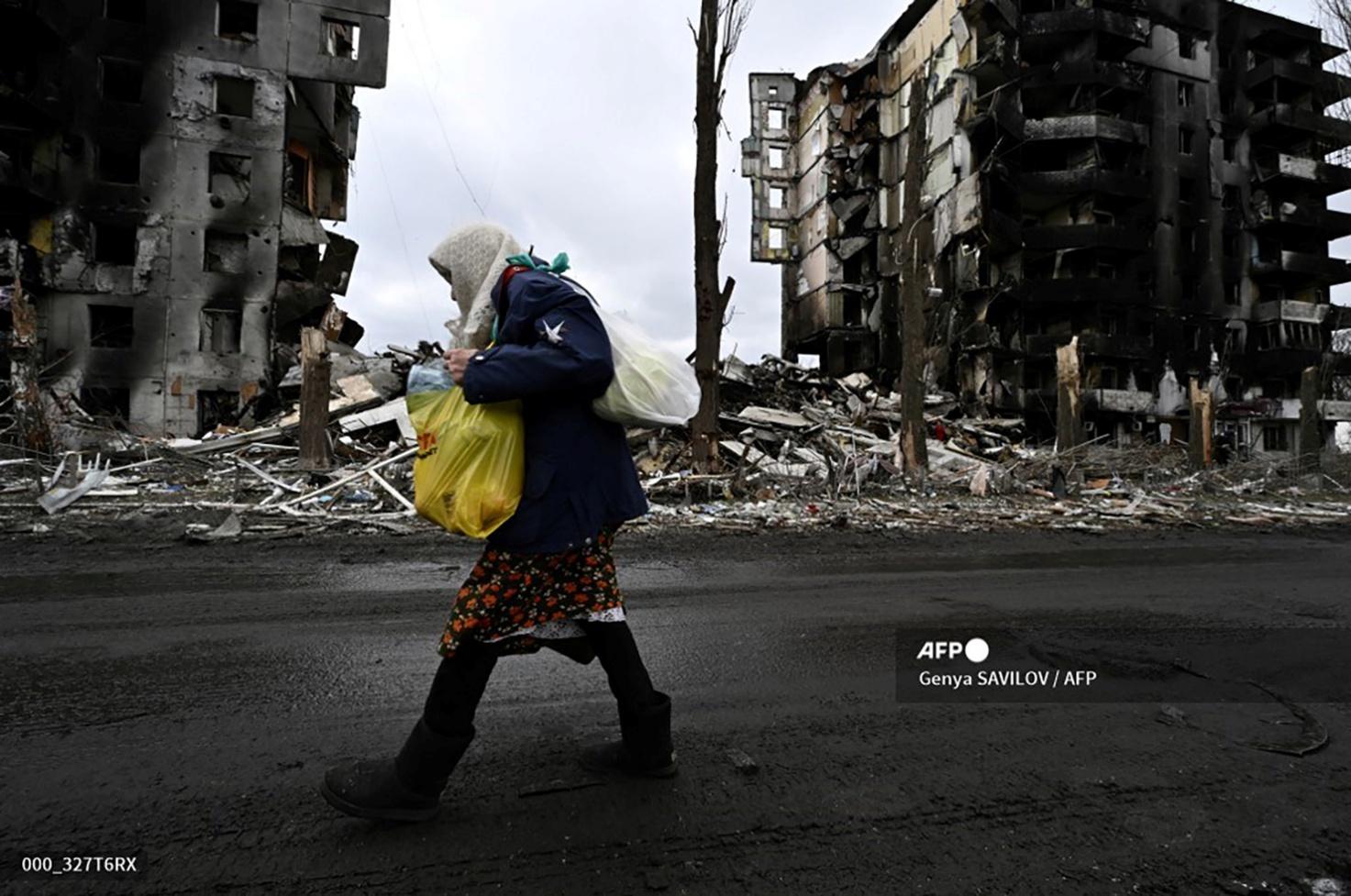
A woman walks past destroyed residential buildings in Borodyanka on April 6, 2022. Photo by Genya SAVILOV / AFP
This continued until approximately 2023-2024, when drones - both long-range and small FPV - appeared en masse.
- It became much more difficult to get to the place and work. The very movement of a group of journalists can attract additional attention, the photographer explains. - If the enemy sees approximately the same picture day after day, and then a group of strangely dressed people come there, stand out in color and run somewhere, then something is happening. It's like a fire signal! for the enemy. Therefore, it is necessary to work very carefully, so as not to create additional danger for those who are in positions.
Journalists are usually accompanied by military personnel near their positions, who explain how to approach, work and leave. The group does not walk in the open area, uses the terrain, and in the city - does not go out into the middle of the street.
- If you were spotted from a drone, that's all. Therefore, the main rule is: the less attention you draw to yourself, the better, the journalist emphasizes.
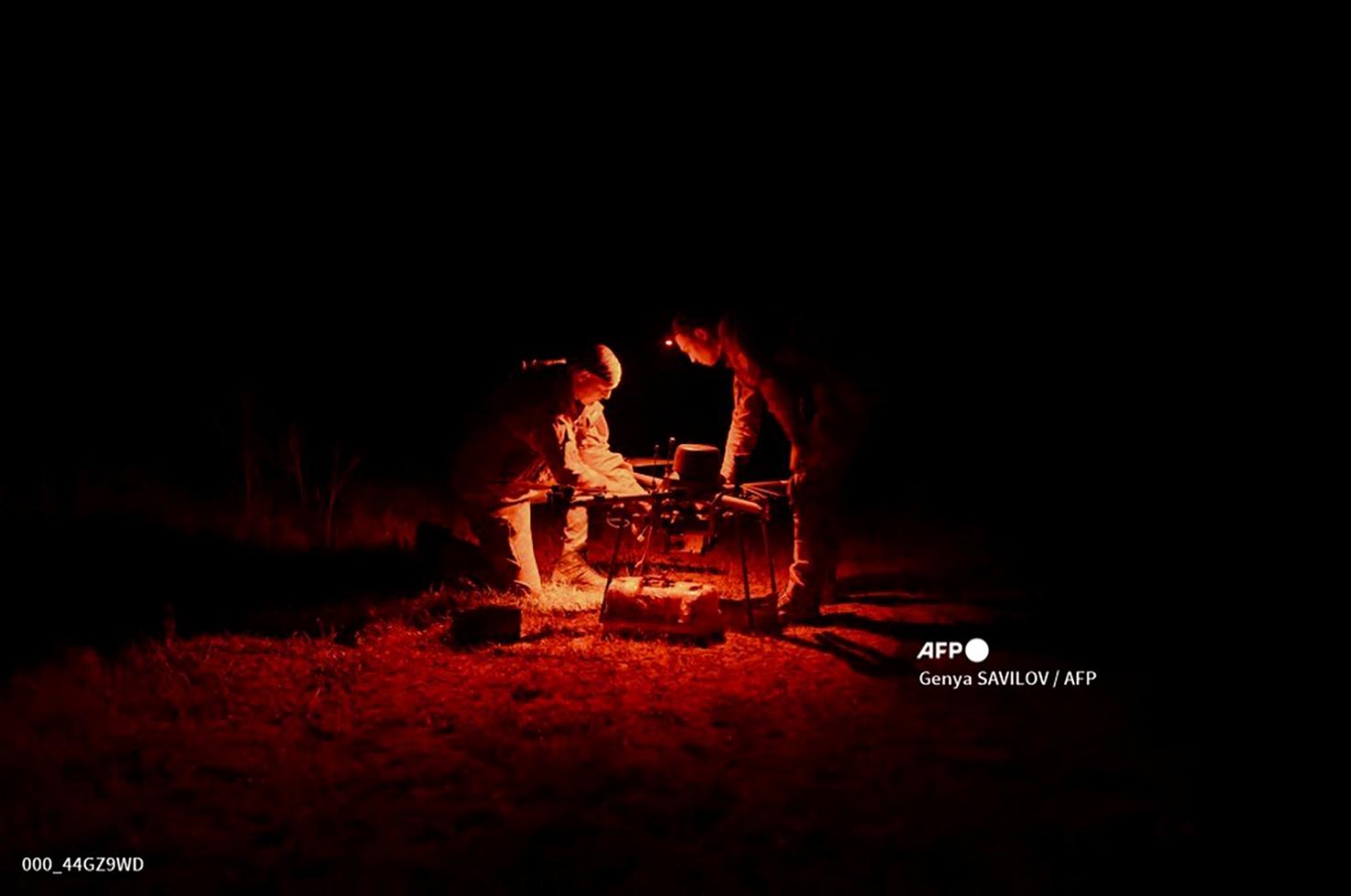
Servicemen from the 24th OMBr named after King Danylo prepare the Magura night drone for departure towards the front line in the Chasovoy Yar area, Donetsk region, late in the evening of April 29, 2025. Photo by Genya SAVILOV / AFP
The blue bulletproof vest is no longer relevant
Until 2024, the main color of a journalist's body armor was blue. But from around 2023-2024, the military increasingly asked journalists not to come in bright vests: they attract too much unwanted attention to the position. Subsequently, journalistic organizations, in particular, NUJU, began to recommend abandoning blue bulletproof vests.
Nowadays, Savilov most often wears a "coyote"-colored vest - sandy-brown, "not military and not quite civilian" - or simply black.
- This is an attempt to attract less attention from reconnaissance drones, - he explains. - A person in a black vest is just someone of no interest until he does something unusual. And a group of people in blue vests, and also in big, beautiful cars (this is how journalists sometimes came to the front earlier), attracts a lot of unnecessary attention.
The design of the protection has also changed. In 2022-2023, many preferred lightweight plate carriers: plate in front, plate in back, open sides and neck. Drones have changed that.
- Blowing up a drone is a lot of small debris. The larger the area of the body covered by ballistic protection, the greater the chance of remaining unscathed. Now the protection should be all-round: the sides are closed, and the collar has actually become mandatory for us, says Savilov.
The AFP team uses standard body armor of a high class of protection: a soft ballistic package plus plates. Over the years of the war, plates went from steel to ceramic, and now to high-molecular polyethylene. Such plates have a lower protection class than ceramics, but weigh much less. And since journalists do not work at the distance of a direct shot, they perform their task at a sufficient level.
The weight of the kit, according to the photographer, has decreased from 12-15 kilograms to 6-8, and with the new plates - to 5-6. But the weight of cameras and lenses is added to the weight of the armor.
"Many people, even young people, have unhealthy backs anyway," he smiles. - But if you want to live, you have to wear personal protection. Someone is already used to it, and for someone to walk three or four kilometers with all this is a challenge.
Savilov speaks quite cautiously about thin body armor like policemen, which some people wear as a "t-shirt". They are designed for a bullet from a pistol and some debris and make sense where damage by small arms is excluded. But a fragment of a projectile and a fragment of a detonation of a drone are different things, and a person must be clearly aware of where exactly he is working with such protection.
In addition to a bulletproof vest and a helmet, Evgeny includes safety glasses as mandatory equipment: the eyes often suffer not from direct damage, but from debris and dirt flying after the explosion. And hearing protection - especially where artillery works. Ordinary earplugs help, but they also drown out what is important to hear. Therefore, it is better to use active headphones or earplugs, which suppress the sound of the explosion, but leave the conversation audible. In this case, even ordinary wireless headphones with the function of muting loud sounds come to the rescue.
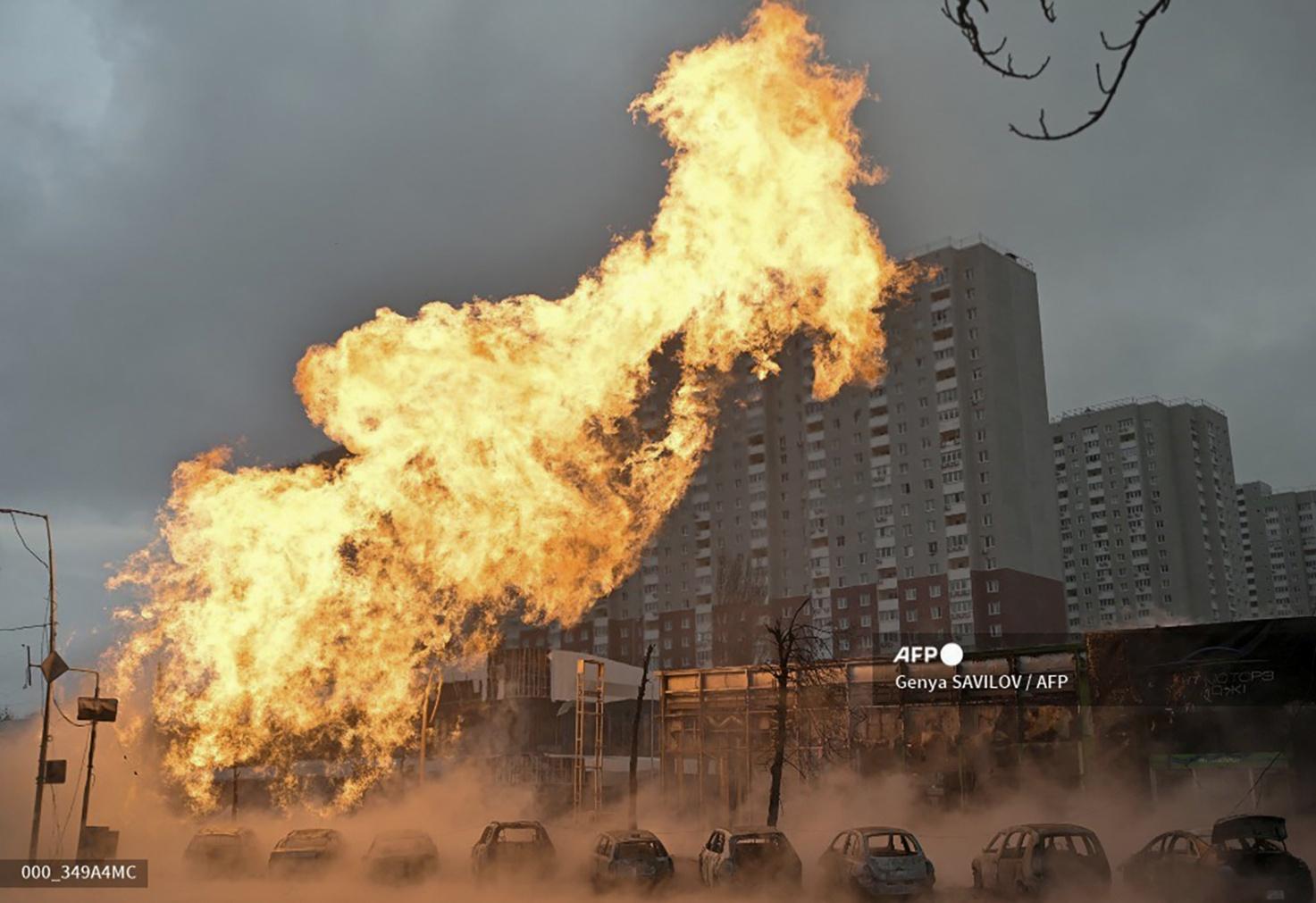
A fire after a Russian missile attack on Kyiv on January 2, 2024. Photo by Genya SAVILOV / AFP
The "Press" sticker is for your own, not for the enemy
Savilov always has "Press" markings - "not a banner", but visible to those who are nearby. At France-Presse, this is a basic requirement: a journalist always introduces himself and does not mislead anyone about his status.
- People should one hundred percent identify me as a journalist, and not as a representative of some other professions, - he emphasizes.
But this sticker is designed for people with whom the photographer works. On the other hand, according to the journalist, a sticker is not protection from the enemy:
- I think that for the enemy, the "Press" sticker is rather an additional reason to focus on you.
A separate sensitive topic is conversations with civilians. According to safety rules near the front line, a journalist must wear a bulletproof vest and a helmet. But…
- A grandmother, in her seventies, in a dressing gown, is standing in the middle of her yard, talking about her life. And you stand in front of her, like a stormtrooper from "Star Wars", - says Savilov. - A very strange feeling.
Therefore, in such cases, as a journalist, he tries to cover personal protection with something, for example, he puts on a jacket - so that the interlocutor looks at the person, and not at the armor.
- Now everything is changing so quickly, and some of what I'm talking about may already lose relevance now, - he says. - For example, until recently the zone of possible damage was considered to be 8-10 kilometers from the line of combat collision, then it was relatively calm. Now, it seems to me, even 40 kilometers from the front cannot be considered a safe zone. You don't say to the drone: "Wait a minute, I'll run to the car and put on a bulletproof vest." Therefore, the rule is this: as soon as you approach the zone where any kind of damage is possible, the bulletproof vest must be on you, the helmet or on the head, or at least nearby, so that you can put it on immediately.
Not to mention Kherson, Kharkiv and Zaporizhzhia, even Kyiv the photographer does not consider safe. Repeated strikes in the same place where rescuers are already working are especially depressing.
- I think the goal is to sow fear and chaos so that people think not about their work, but about whether it is safe for them to be here - the photographer tries to explain this hostile habit. - That's why, for example, a first-aid kit is always with me, wherever I go - even to the store, even to the park for a walk. It is dangerous everywhere. Therefore, it is important to be aware of this and try to minimize risks.
The minimum that Yevhen advises to always have with you: a tourniquet, compression bandages that are suitable for most injuries, and an occlusive sticker. It is also advisable to have a rescue blanket: it can protect the victim from hypothermia or heat while the medics are on their way.
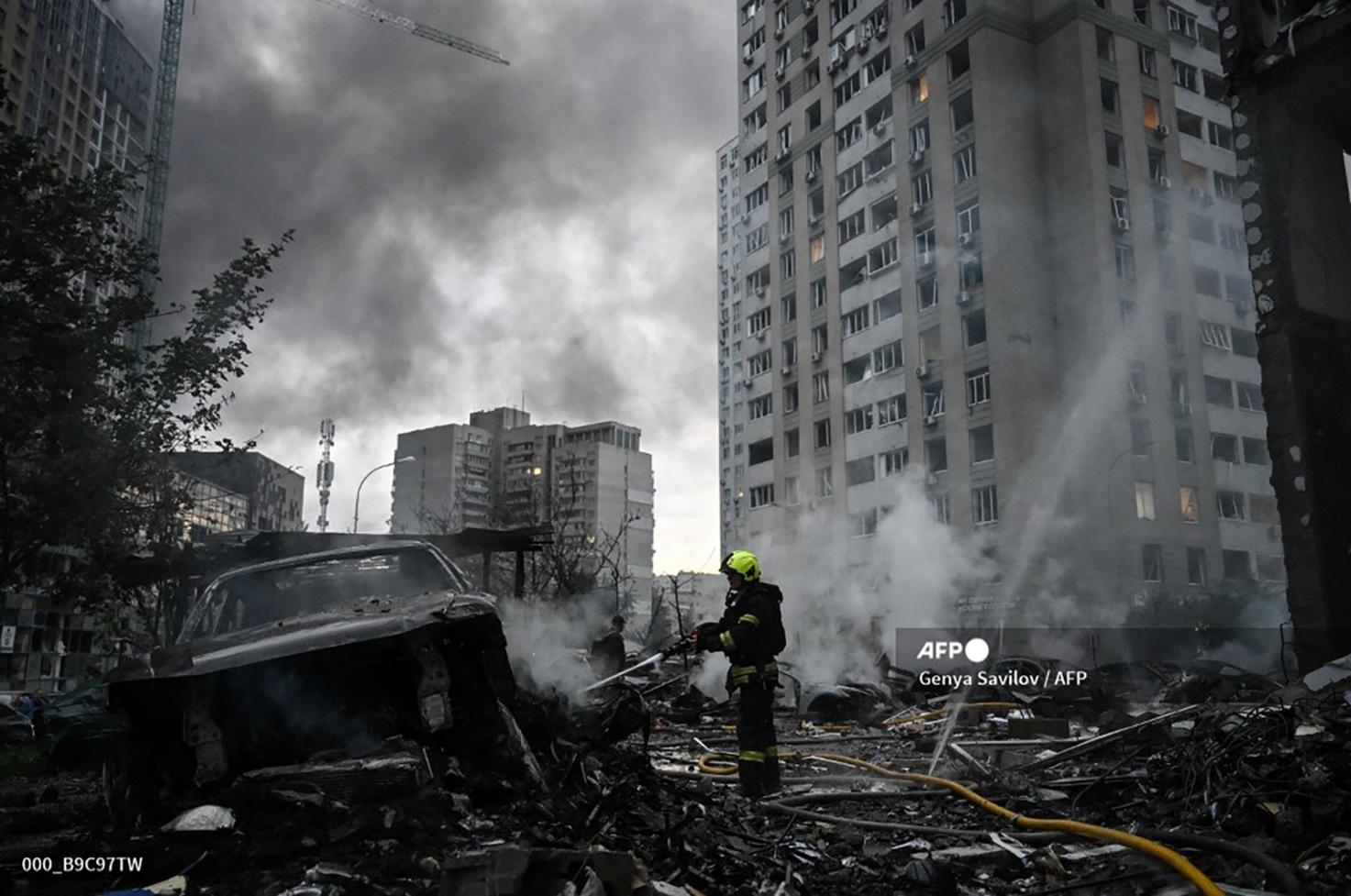
On July 6, 2026, a firefighter puts out burning cars parked near a high-rise apartment building damaged by a Russian missile attack on Kyiv. Photo by Genya SAVILOV / AFP
People in the car are no more than doors
One of the rules that Yevhen adheres to is that there should be no more people in a passenger car than there are doors.
- If people sit four in a row or on additional seats behind the second row, it is very bad. When something happens, they cannot immediately jump out and hide in the area. Even if the drone has damaged at least one door, it becomes very difficult to get out.
The car should be simple: a big, beautiful, new jeep, and even with the inscription "Press", attracts attention. Although, warns Savilov, in the absence of another target, the enemy does not hesitate to hit any vehicle.
If the shelling starts during the shooting, the work is stopped, they look for shelter and wait. The photographer calls the most dangerous situations when you're not satisfied: the locals assure that it was quiet all week, and the shelling starts as soon as you arrive.
The protocols of the France-Presse agency are constantly updated. There has always been a risk assessment before every trip, but now, with the expansion of the affected area, it has become more rigorous. Every time you have to answer cj,s questions: how to get there, where to hide, how to leave, how often this area is shelled.
They travel in a group: a photographer, a videographer, a journalist who writes the text. There is also a person in the group who is responsible for safety and has paramedic training.
- Journalists are like children: they see something interesting, and all the attention is there. Therefore, it is very important to have a person who monitors what is happening around and will tell you in time that you need to go to shelter or go altogether. This is not a guard in the usual sense of the word, this is a person who looks around, - says Yevhen.
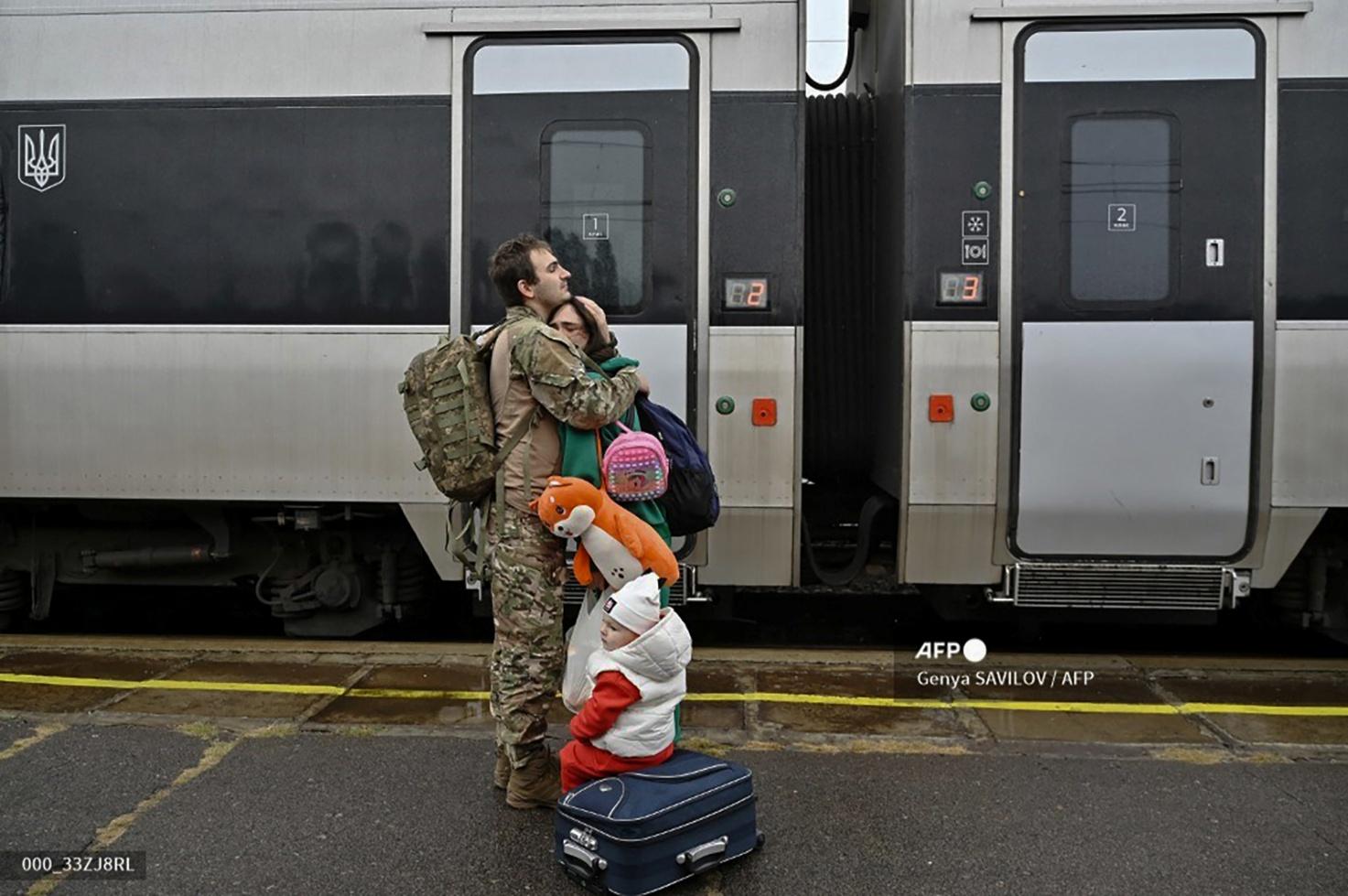
Ukrainian serviceman Vladyslav, 24, says goodbye to his wife and child before boarding a train to Kyiv in Kramatorsk, October 8, 2023. Photo by Genya SAVILOV / AFP
"Having a first aid kit or a tourniquet without the skills to useit is like a bulletproof vest that is somewhere nearby, but not on you"
Having reliable personal protection, a first-aid kit, listening to the advice of the military and security experts is not enough, Evgeny Savilov is convinced.
In 2024, a drone struck the Ukrainian position where a group of journalists was working, including our interlocutor. The videographer was injured by the debris. Colleagues, having proper training, provided him with first aid and, when such an opportunity arose, handed him over to medics. It also happened that journalists were the first to find civilians wounded by shelling and helped them until the medics arrived.
- Therefore, the very presence of a first-aid kit or a tourniquet without the skills to use it is like a bulletproof vest, which is somewhere nearby, but not on you. You need to understand what you are doing with them, - emphasizes the photographer.
Therefore, he advises to take a course of first aid in conditions close to tactical ones: what to do where it is dangerous, what to do where it is safe, and how to hold a person until the arrival of medics. And take such courses not once, but at least once a year.
- Most people think: I put a tourniquet on myself during my studies, no problems. But they forget that they put it on a healthy hand that does not hurt, Savilov explains. - Putting on a tourniquet in the summer, when you are in shorts and a T-shirt, and in the winter, when you are wearing a massive jacket or pants with stuffed cargo pockets, are completely different things. Therefore, first aid skills should be brought to automaticity, so as not to think, so that the hands do everything by themselves.
According to Yevhen, recently fellow journalists have been neglecting safety rules much less often, but it still happens sometimes. Therefore, he appeals to the media to start working in dangerous conditions already wearing personal protective equipment.
- A bulletproof vest in the car is not protection, it is a false reassurance for oneself, - says Yevhen Savilov. - Because if something happens, there will be no time to run to the car. It is better to be in a bulletproof vest - and that nothing happens, than without it, but with even a small chance that it will be needed.
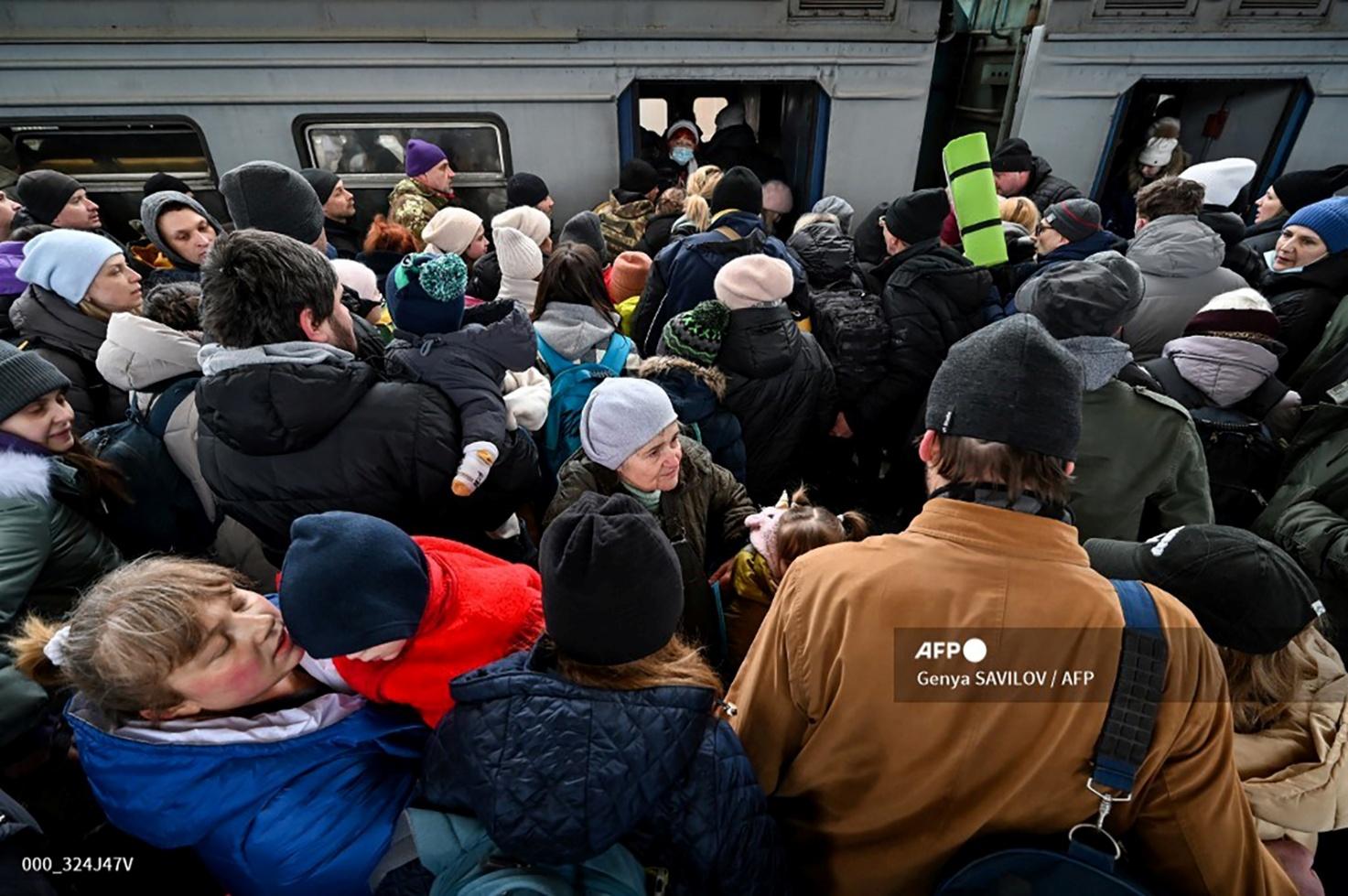
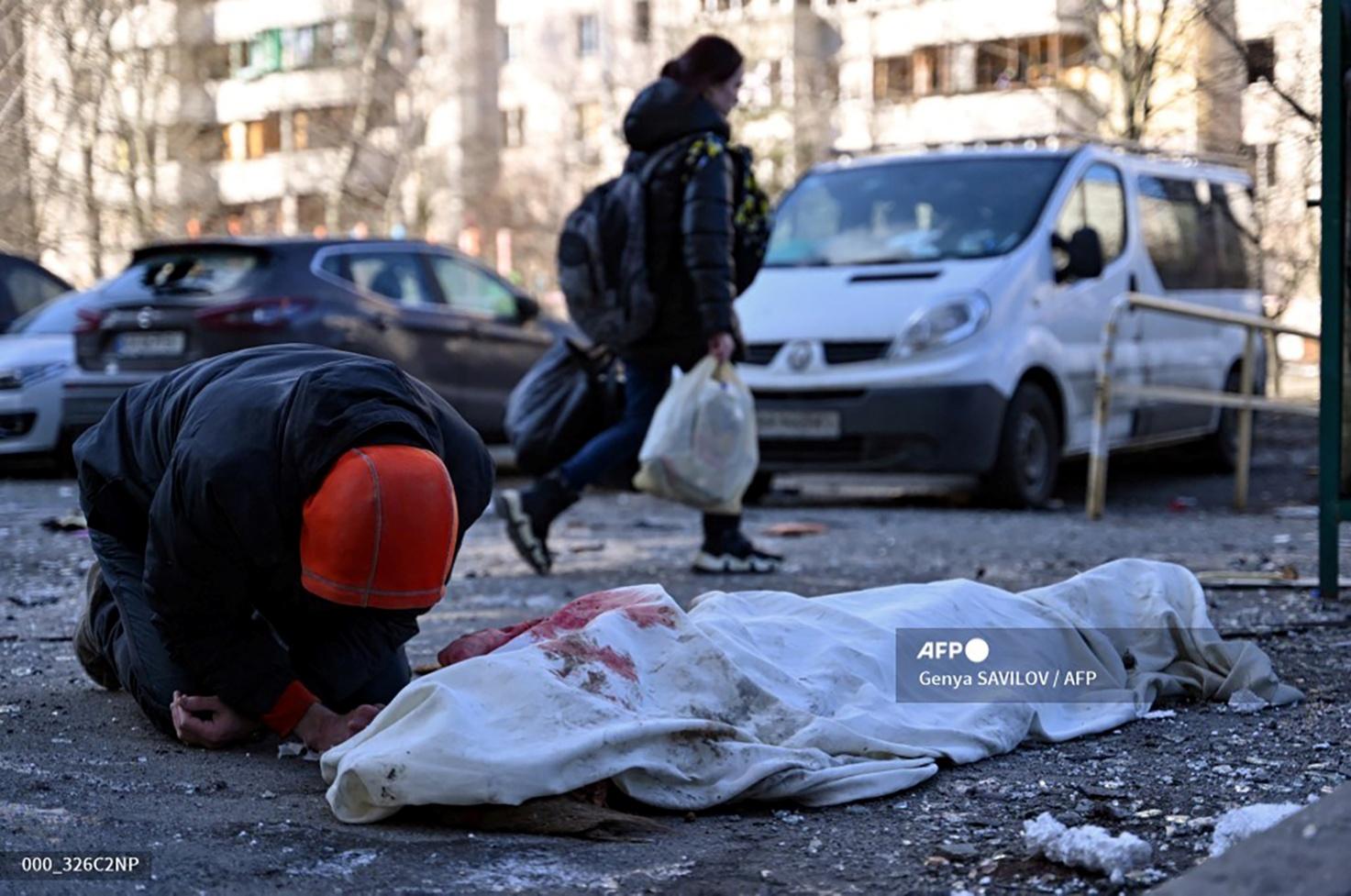
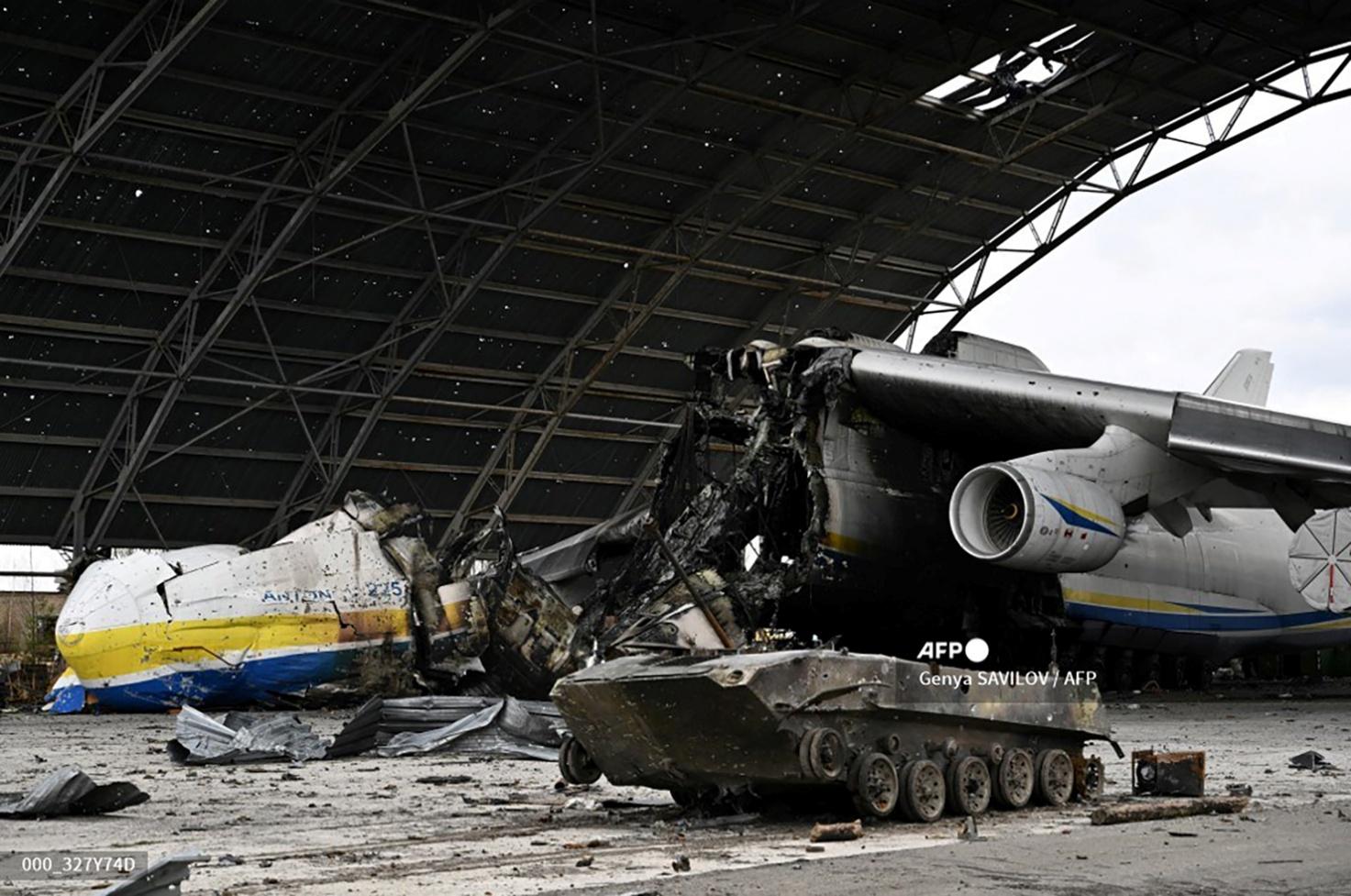
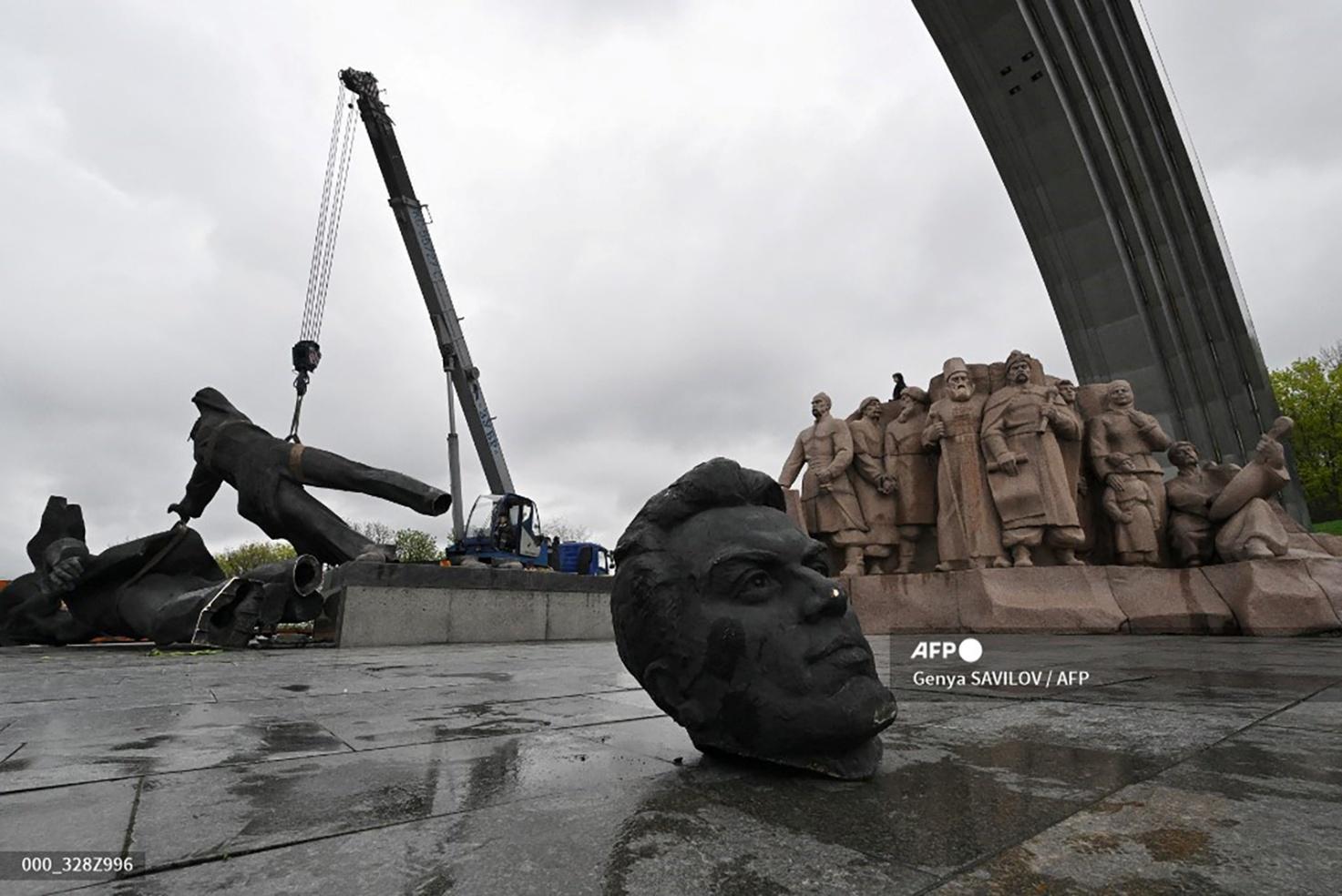
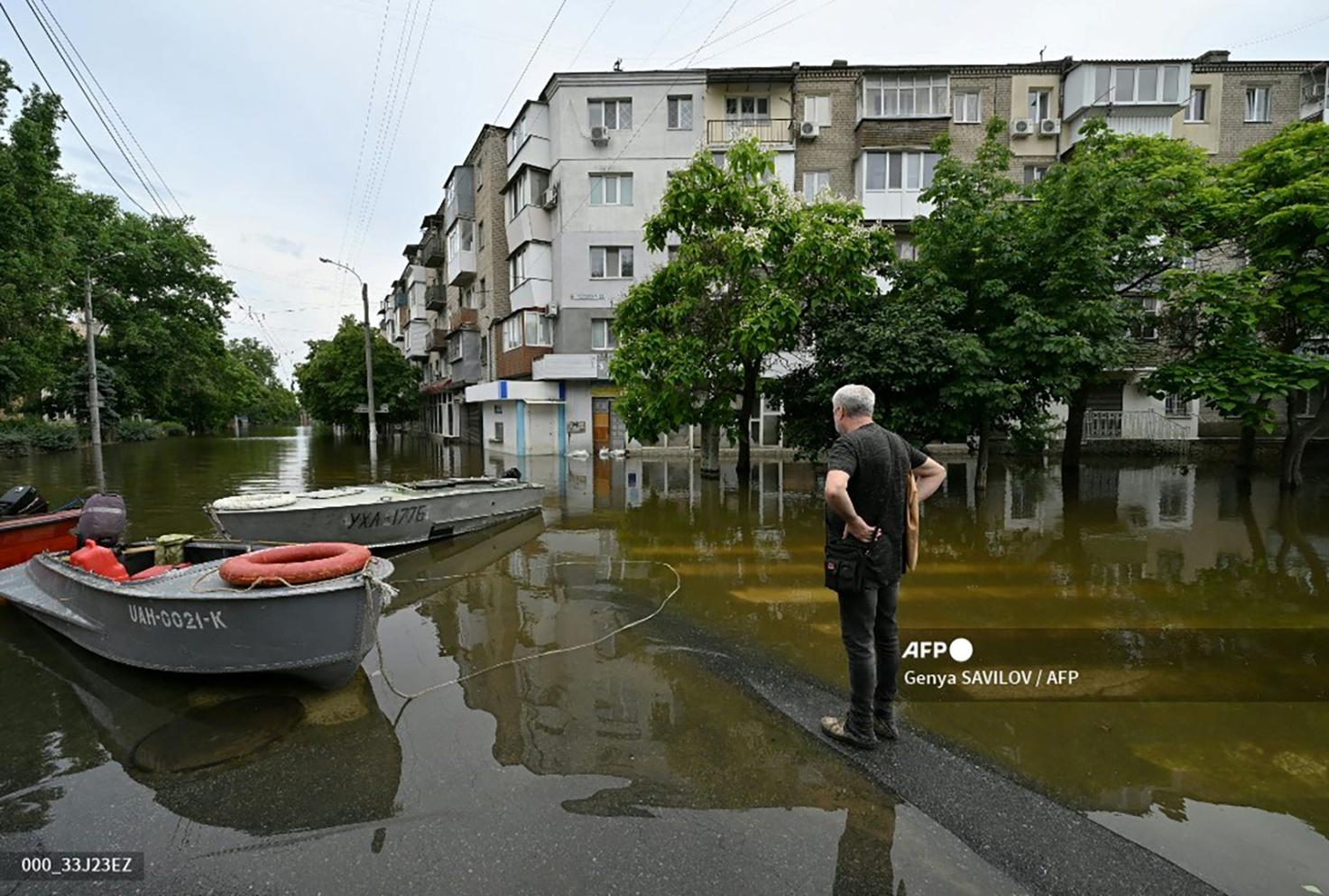
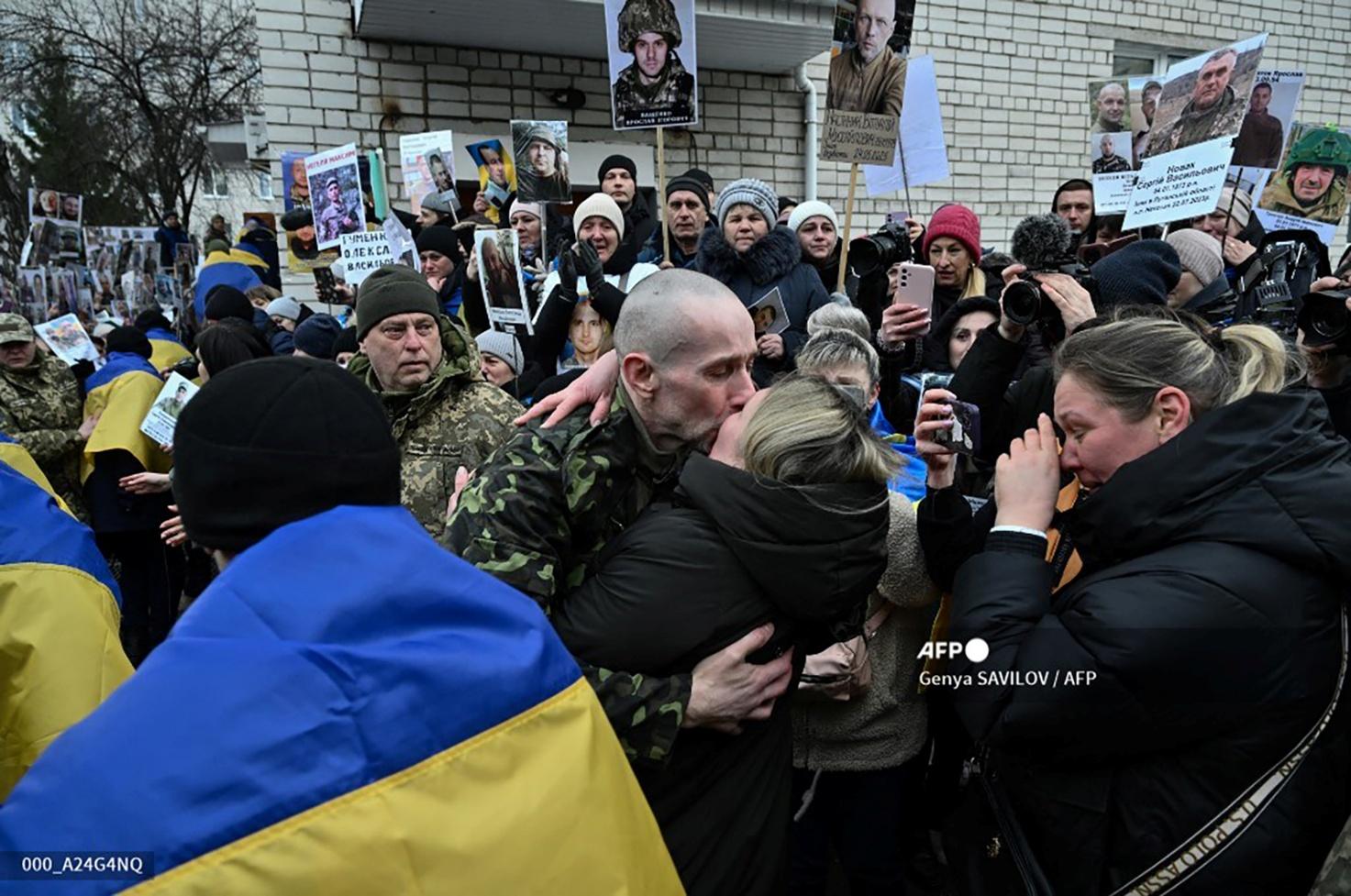
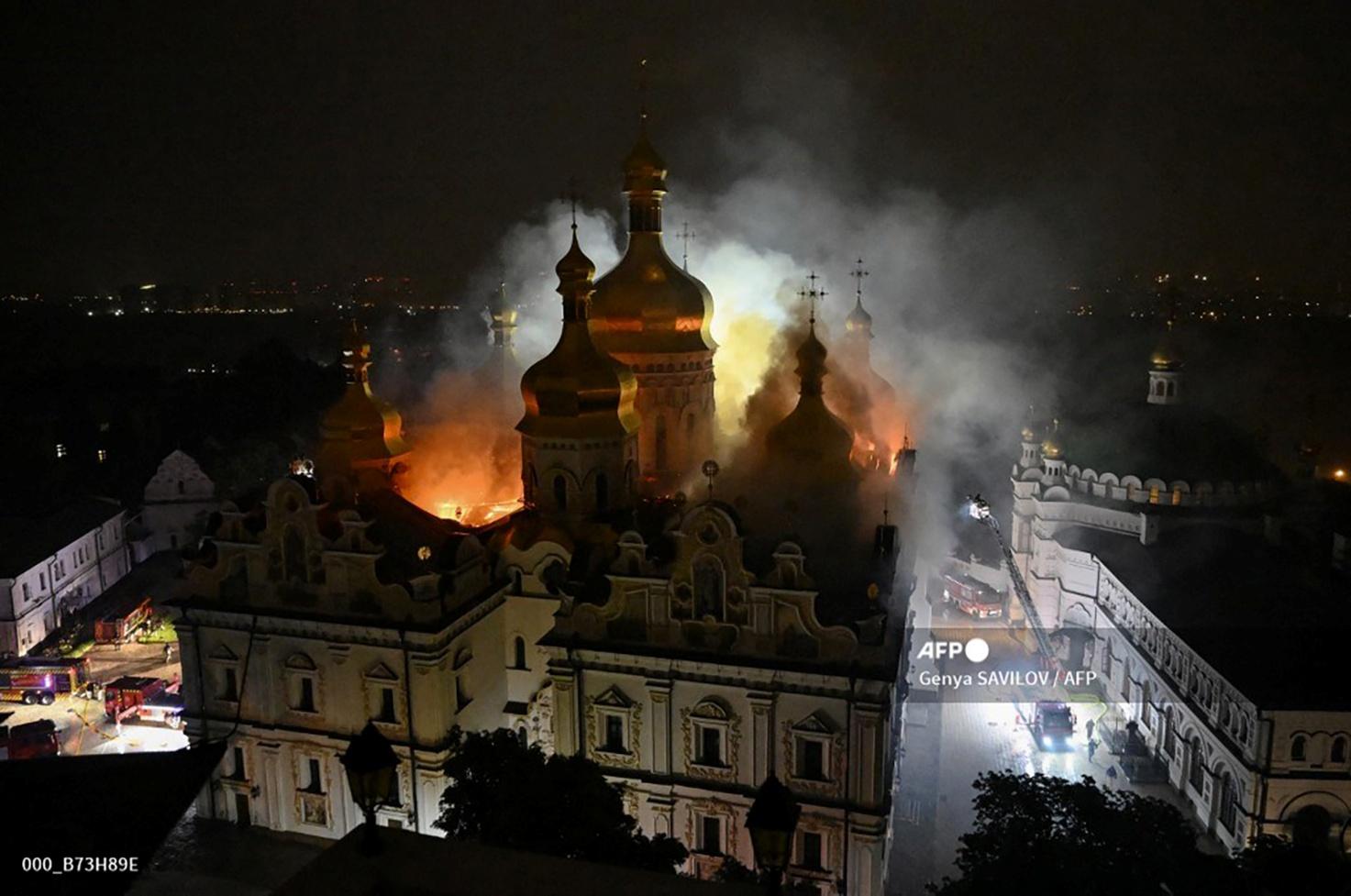
People try to board an evacuation train at one of the Kyiv railway stations on March 5, 2022. Photo by Genya SAVILOV / AFPA man kneels in front of the covered body of a dead person near a residential building damaged by the impact of rocket fragments in Kyiv on March 17, 2022. Photo by Genya SAVILOV / AFPDestroyed An-225 Mriya at the Gostomel airfield on April 8, 2022. Photo by Genya SAVILOV / AFPWorkers dismantle the Soviet monument to friendship between Ukraine and Russia in Kyiv on April 26, 2022. Photo by Genya SAVILOV / AFPOn June 10, 2023, a local resident inspects a flooded street in the city of Kherson due to the destruction of the Kakhovskaya HPP dam. Photo by Genya SAVILOV / AFPMarch 5, 2026, Chernihiv region, Olesya kisses her husband Oleksandr, released from 22 months of Russian captivity as a result of a prisoner exchange. Photo by Genya SAVILOV / AFPOn June 15, 2026, smoke and flames rise above the Dormition Cathedral of the Kyiv-Pechersk Lavra after a Russian missile and drone strike on Kyiv. Photo by Genya SAVILOV / AFP
* * *
Since the beginning of the full-scale Russian invasion, the National Union of Journalists of Ukraine has supported a network of Journalist Solidarity Centers - in Kyiv, Kharkiv, Dnipro, Zaporizhzhia, Lviv, Ivano-Frankivsk, and Sumy. Here, journalists can get protective equipment, including drone detectors, counseling and psychological support.
The site uses cookies. The necessary ones are required for its operation (entering the cabinet, saving your choice). We enable analytical and marketing data only with your consent - in accordance with the Laws of Ukraine "On Personal Data Protection" and "On Electronic Communications". Consent can be changed or withdrawn at any time. For more details, see the Cookie Policy and Privacy Policy .