To cover without harming: how Ukrainian media can ethically talk about violence and protect the victims
NUJU7 minutes of reading
Share:
When reporting on gender-based violence, journalists should focus on human dignity, privacy and safety, avoiding sensationalism and hidden victim-blaming. In addition to ethical challenges in working with heroes, Ukrainian media women themselves, who make up 77% of newsrooms, increasingly become targets of digital attacks, deepfakes and threats due to their professional activities.
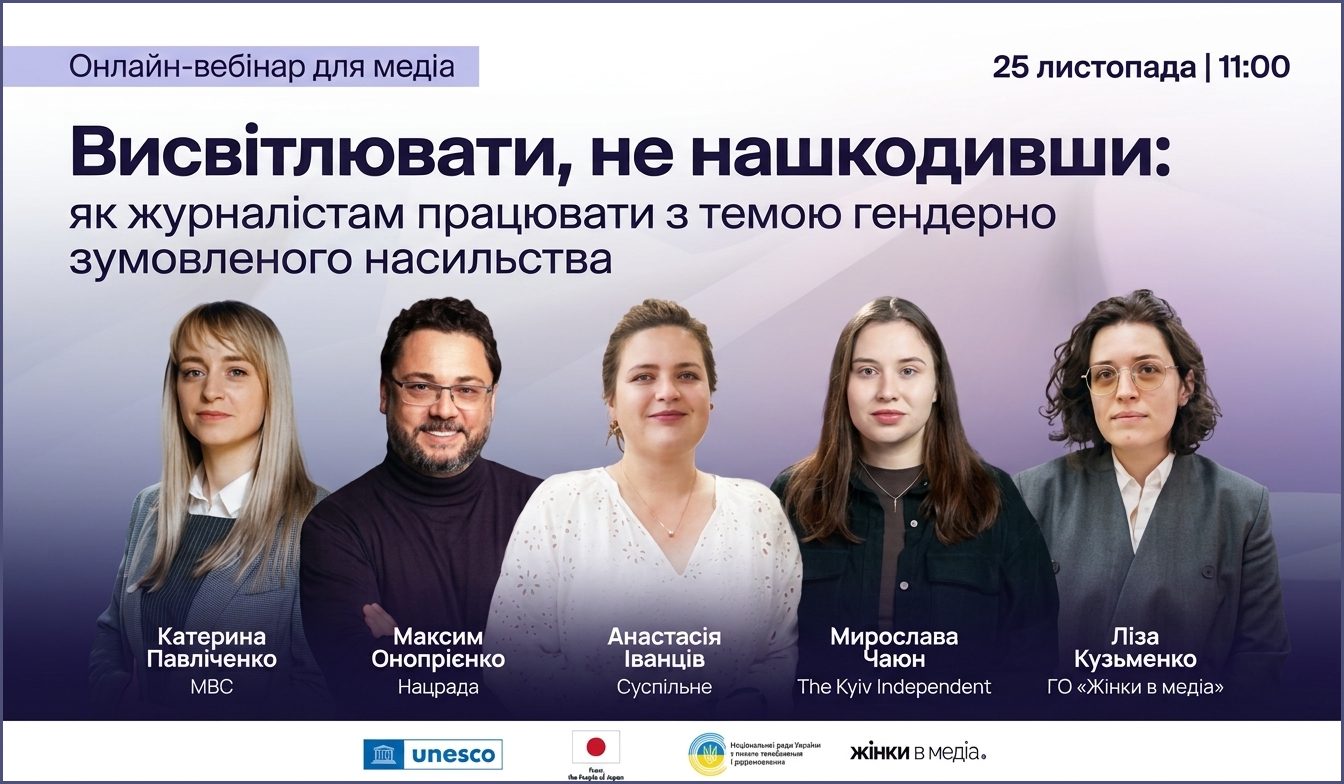
How to counteract the normalization of violence in the information space, work with the topic of war crimes and investigate the cases of women convicted for self-defense against perpetrators - discussed during the online webinar "Covering without harming: how journalists can work with the topic of gender-based violence", organized by the NGO "Women in the Media" together with the National Council of Ukraine for Television and Radio Broadcasting and UNESCO with the support of Japan within the campaign "16 days of activism against gender-based violence."
New digital threats and security protocols for media companies
In the conditions of a full-scale war, Ukrainian journalists work under double pressure - combining difficult editorial deadlines with constant risks to their own physical and digital security.
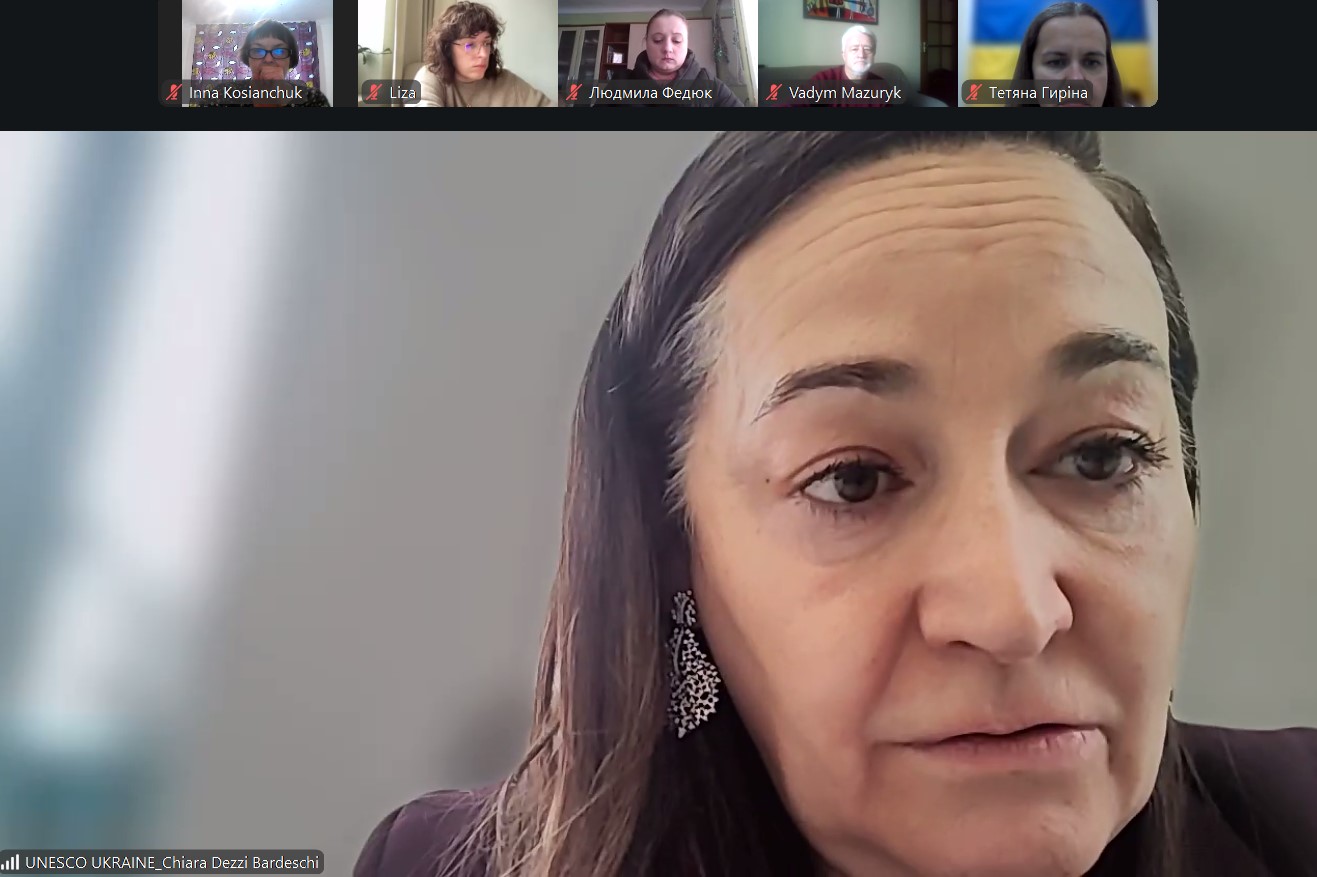
"Women make up 77% of journalists in the Ukrainian media. They play a key role in informing society, especially during wartime, but at the same time they face additional risks – in particular, gender-based harassment, threats and online violence,” said Chiara Dezzi Bardeschi, head of the UNESCO Delegation to Ukraine.
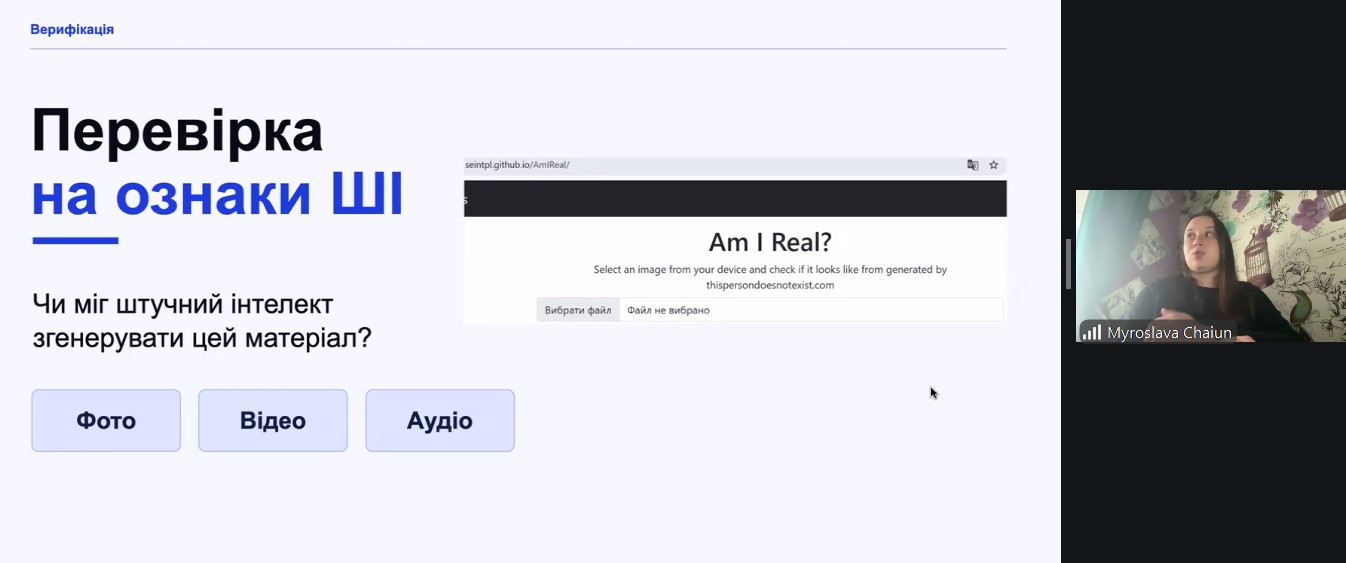
According to a joint study by UNESCO and the NGO "Women in the Media", 81% of interviewed journalists experienced online violence, but only 64% of them were clearly aware that what they experienced was violence. The rapid development of artificial intelligence only exacerbates this problem through the proliferation of fake videos and image manipulation. In response to these challenges, UNESCO is developing new gender-sensitive security protocols for newsrooms that will include guidelines for risk assessment and incident response. They are planned to be published by the end of 2026.
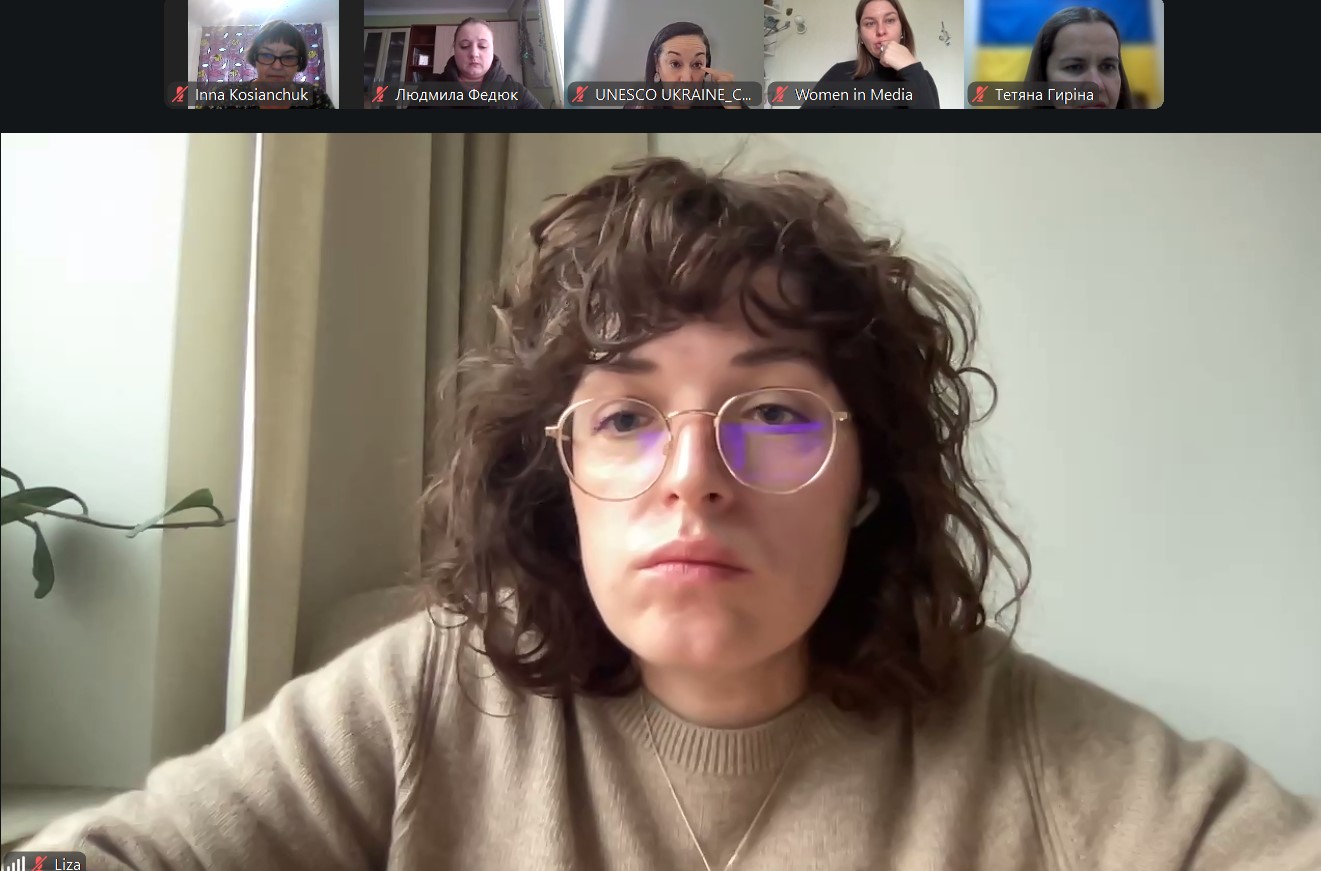
Lisa Kuzmenko , co-founder and head of the board of the NGO "Women in the Media", moderator of the webinar, emphasized that due to digitization, crimes against media women are increasingly moving into the online space, taking the form of disclosure of personal data (doxing) or distribution of AI-generated images.
"According to our research, about 77% of Ukrainian journalists are women, and when they encounter online violence related to their work, there is a "chilling effect" and self-censorship. They stop taking difficult topics or take them less - in particular, topics related to corruption, mobilization, the work of the TCC, the rights of the LGBT community, because they face threats both personal and directed at their children and family. This interferes with journalistic activities, interferes with freedom of speech in Ukraine," Liza Kuzmenko stressed.
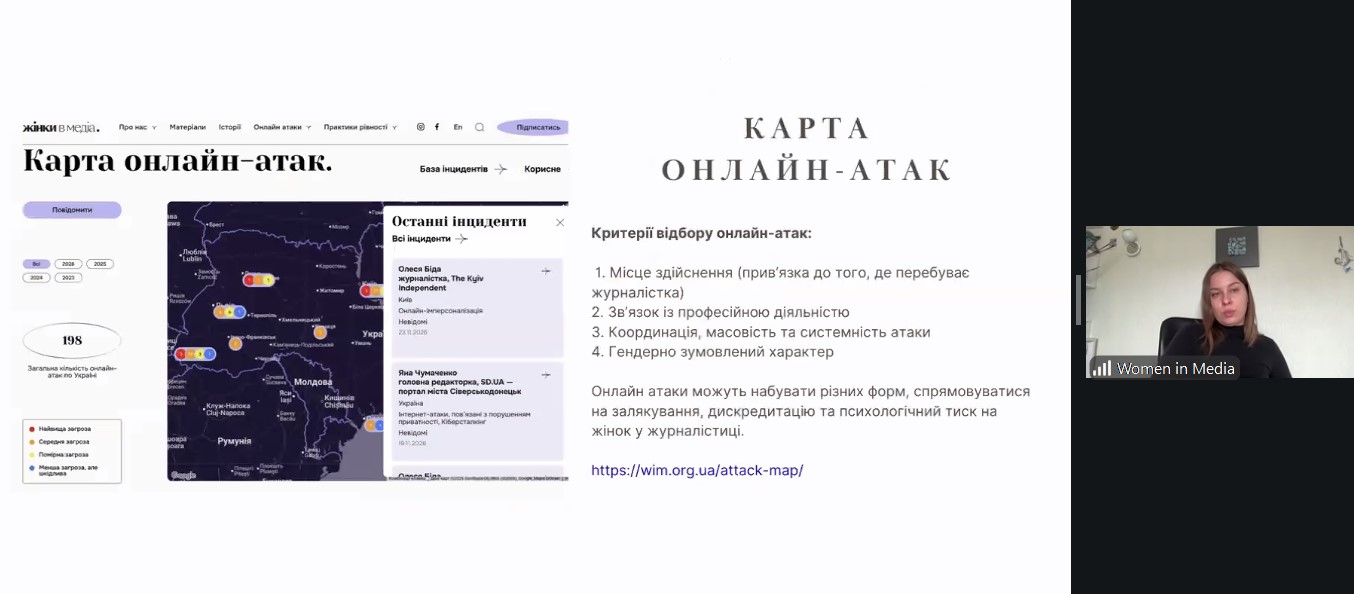
In order to make the problem visible and help colleagues, the NGO "Women in Media" maintains an interactive map for monitoring online attacks and cooperates with the cyber police. As the project manager of the organization Oleksandra Gorchynska specified, 198 cases of coordinated and systematic harassment related to the professional activities of media women have already been recorded on the map. Most often, this is gender misinformation, sexism, misogyny, threats of sexual violence or murder, as well as attacks using AI - such as the creation of deepfakes with the participation of images of journalists or their children, which happened to the investigator Olena Mudra.
"Unfortunately, threats from online can go offline, and therefore it is very important to react in time, record such threats and contact law enforcement agencies. Stories about her, her family, place of residence and other confidential data are published without the permission of the journalist herself," noted Oleksandra Gorchynska.
The role of the state and the regulator: rejection of stereotypes and the culture of consent
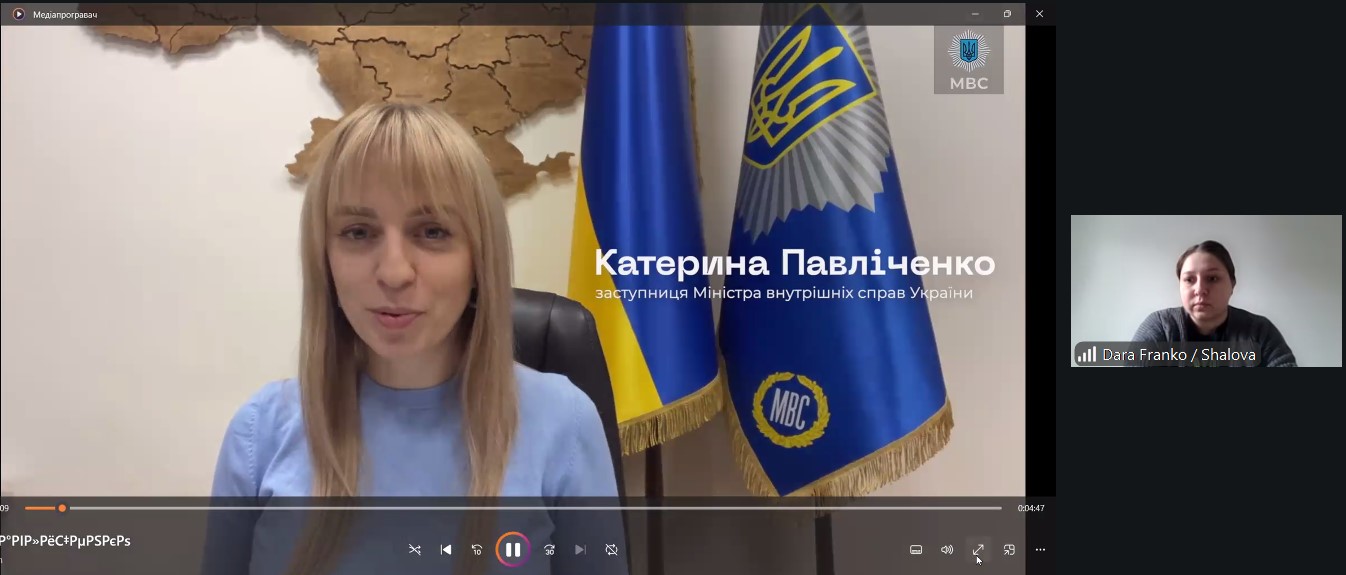
Combatting gender-based violence is impossible without societal intolerance and responsible editorial policy, the Deputy Minister of Internal Affairs of Ukraine , Kateryna Pavlichenko , is convinced. The Ministry of Internal Affairs has already put into practice two key documents: methodological recommendations on the use of gender-sensitive language and instructions on the prevention of discrimination and sexual harassment in the departments of the department.
"Journalism can help a victim to be heard and, with careless coverage, cause re-traumatization. Therefore, the focus of the material should not be on sensationalism or details of the experience, but above all on the dignity and safety of the affected person. It is important not to allow the victims to accuse the victims like "why didn't she leave" or "why did she put up with all this", because the perpetrator always bears the responsibility for the violence", - emphasized Kateryna Pavlichenko.
She singled out three basic principles of responsible communication for the media:
Respect for the person : his dignity and safety are more important than the exclusivity of the material.
Responsibility for words: inadmissibility of victim-blaming (blaming victims) and excusing the offender.
Practical help : mandatory distribution of contacts of protection and support services.
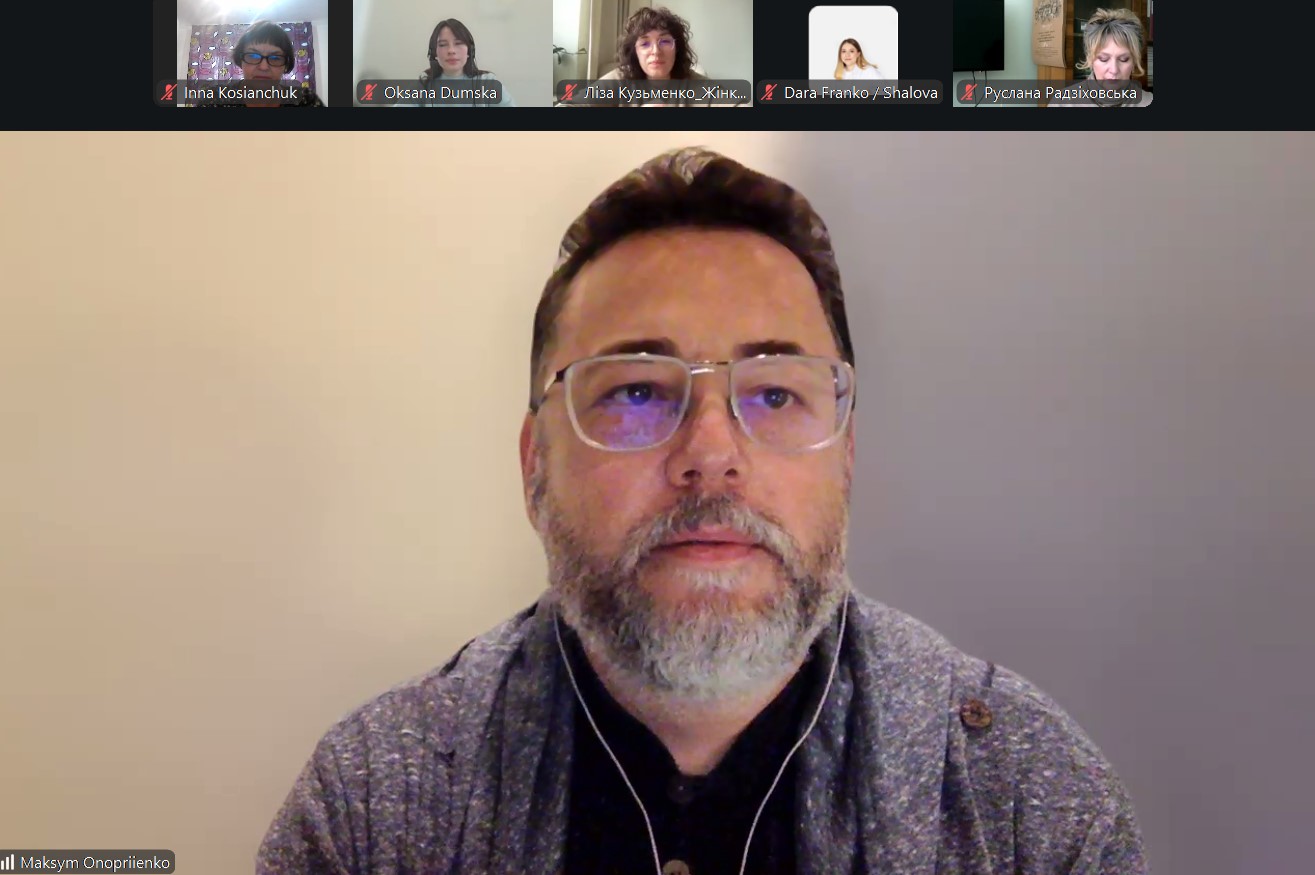
The media form the social norm, determining what is considered acceptable and what is not. According to Maksym Onoprienko , a member of the National Council of Ukraine on Television and Radio Broadcasting, this year's monitoring of more than 3,000 materials in 20 online media showed positive dynamics: women are increasingly appearing in the roles of experts, scientists, officials, and the military, and there has been a significant reduction in the number of outright accusations of victims in the news. At the same time, most gender stereotypes are still concentrated in entertainment and lifestyle content.
"Of course, neither the regulator nor the media can stop violence on their own, but we can not give it excuses, not turn it into clickbait, not fix the stereotypes that support it. And make efforts to form a society in which respect for a person, for his dignity, for personal boundaries is and will be the norm," Maksym Onoprienko stressed.
A separate direction of the National Council's work within the implementation of the Istanbul Convention is the promotion of a culture of consent and the development of recommendations for the media regarding the correct coverage of the topic of sexual violence without romanticizing coercion or violating personal boundaries.
"Criminalized survival": how to investigate the cases of women convicted of murdering offenders
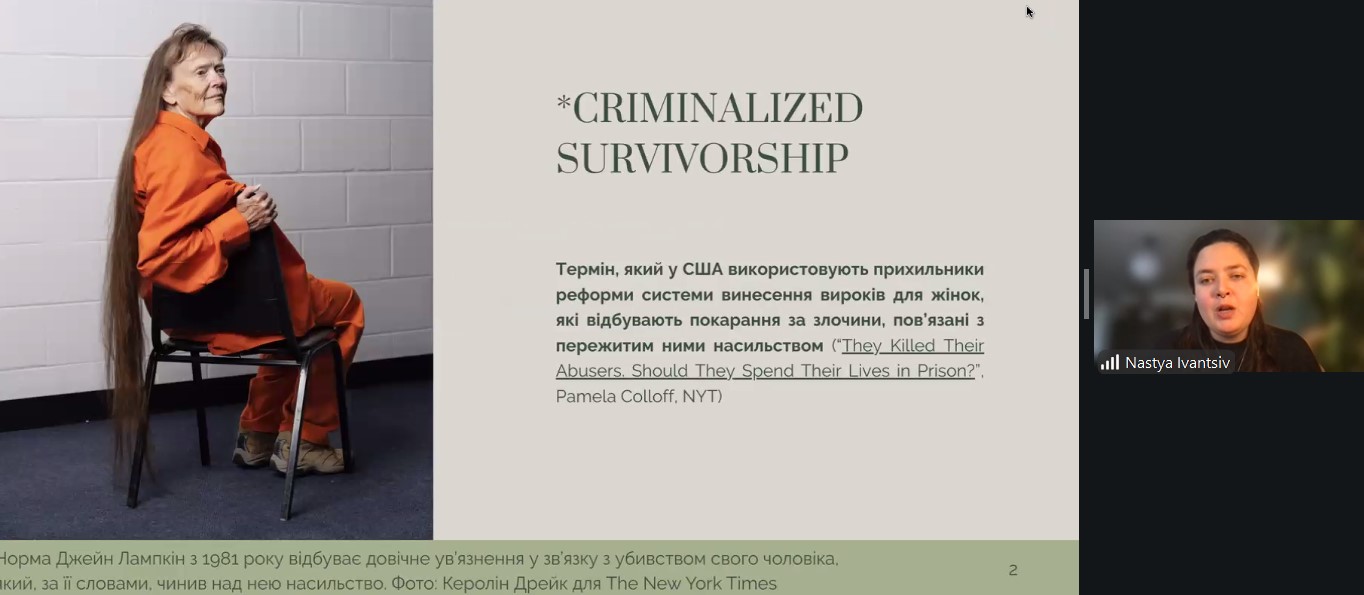
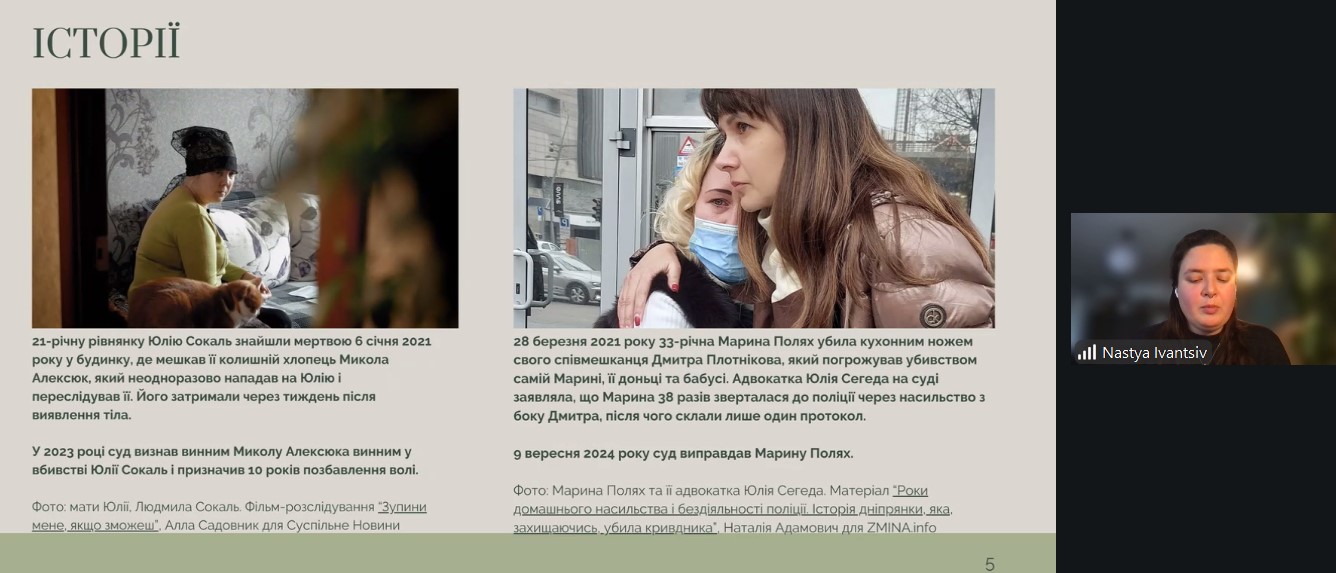
A separate layer of sensitive topics is the stories of women who suffered domestic violence for years, did not receive protection from the state and ended up behind bars for killing their abusers. Anastasiya Ivantsiv , a reporter and war correspondent of "Soviet News", who has been working on this topic since 2019, uses the term "criminalized survival" to describe this phenomenon.
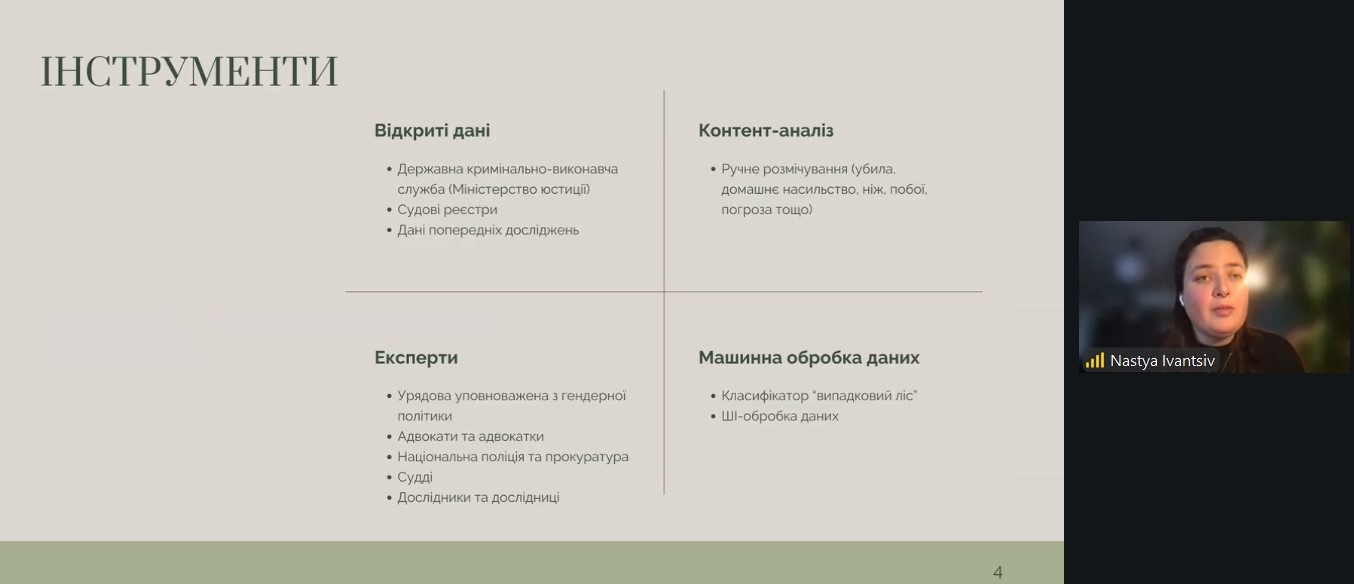
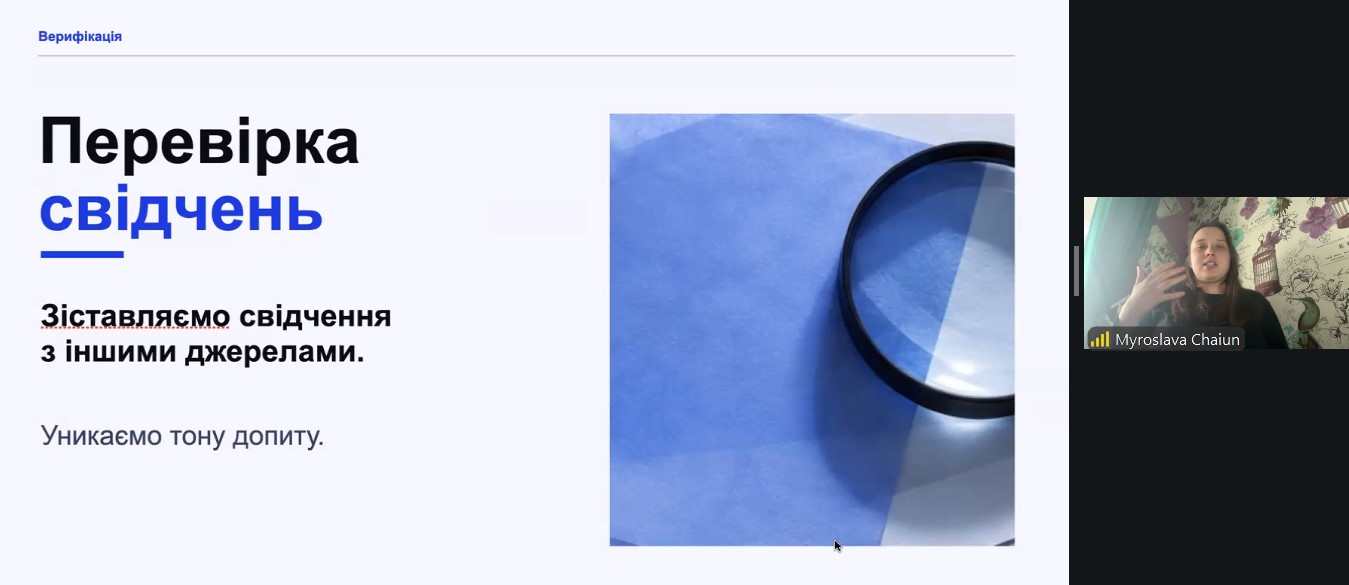
During the preparation of her investigation, the journalist used IT tools to analyze almost 3,000 court decisions under Article 115 of the Criminal Code (intentional murder), singling out 65 verdicts against women convicted of killing their abusers. Manual content analysis of these cases by key words ("domestic violence", "beatings", "threats") made it possible to identify systemic problems of Ukrainian justice. Further trips to the women's colony in Kamianskyi and verification of testimonies in the court register showed that most of these women do not have the funds for private lawyers and are often left without adequate legal protection even at the appeal stage.
"Regarding the women who received parole because they went to defend Ukraine - how do they even find the strength to defend the state after the state failed to protect them from this lived past? I saw in those stories a lot of desire to really protect Ukraine. These women rely more on themselves and strive to prove that they can serve in the Armed Forces," Anastasia Ivantsiv shared her observations.
The investigative standards of the SNPK and the Murad Code
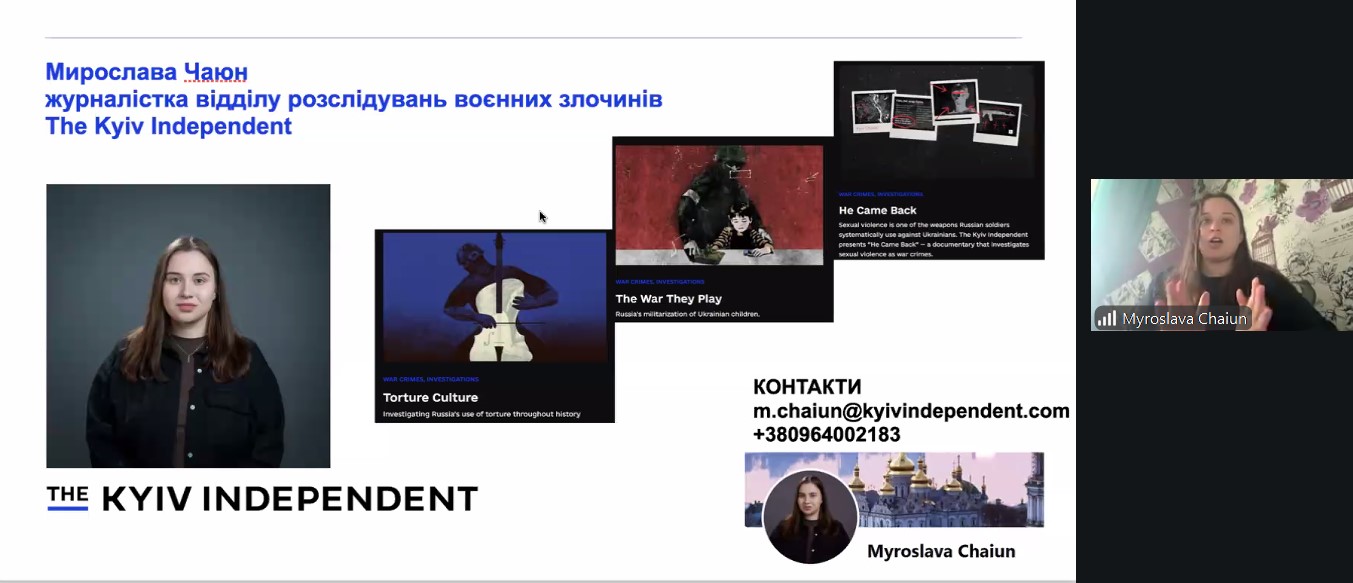
Working on the subject of conflict-related sexual violence (CSV) requires journalists to combine investigative accuracy with impeccable ethics. Myroslava Chayun, an investigative journalist of the war crimes department of "The Kyiv Independent" publication, emphasized that SNPK covers not only rape, but also forced exposure, torture and harm to the genitals, which the victims themselves are often unaware of.
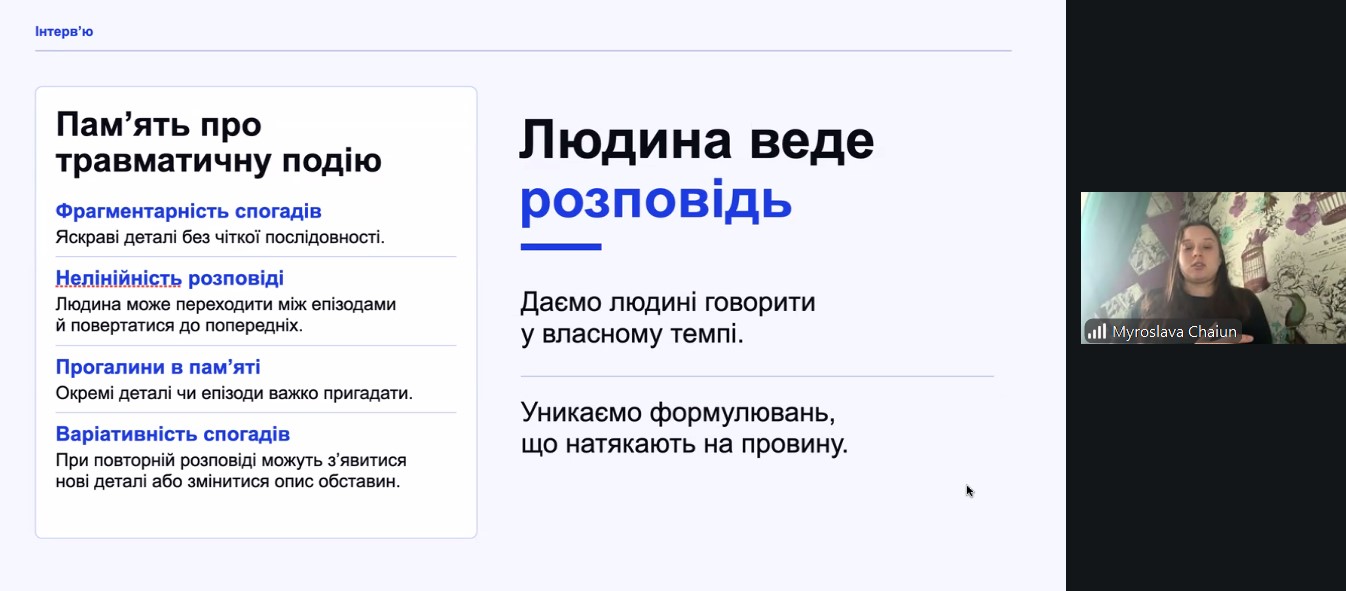
When preparing investigative documentaries, the team is guided by the international Murad Code (developed by Nobel Peace Prize laureate Nadia Murad), which forbids calling survivors "victims" - the correct term is "victims" or "survivors". The main rule of thumb when recording an interview is to restore the person's sense of control that was lost during the crime and avoid re-traumatization.
"But we do not ask for details about the process of violence itself, because it does not affect the journalistic investigation in any way, but it can cause additional stress to a person. We focus generally on the story and do not give such trashy details. In the process of our interview, we let the person have this conversation, feel that they can stop it whenever they want, and at the beginning of the interview we say: if you feel uncomfortable, if you want to take a break or stop - you can do that. This is in order not to deepen the feeling of powerlessness that a person had at the time of violence," Myroslava Chayun explained.
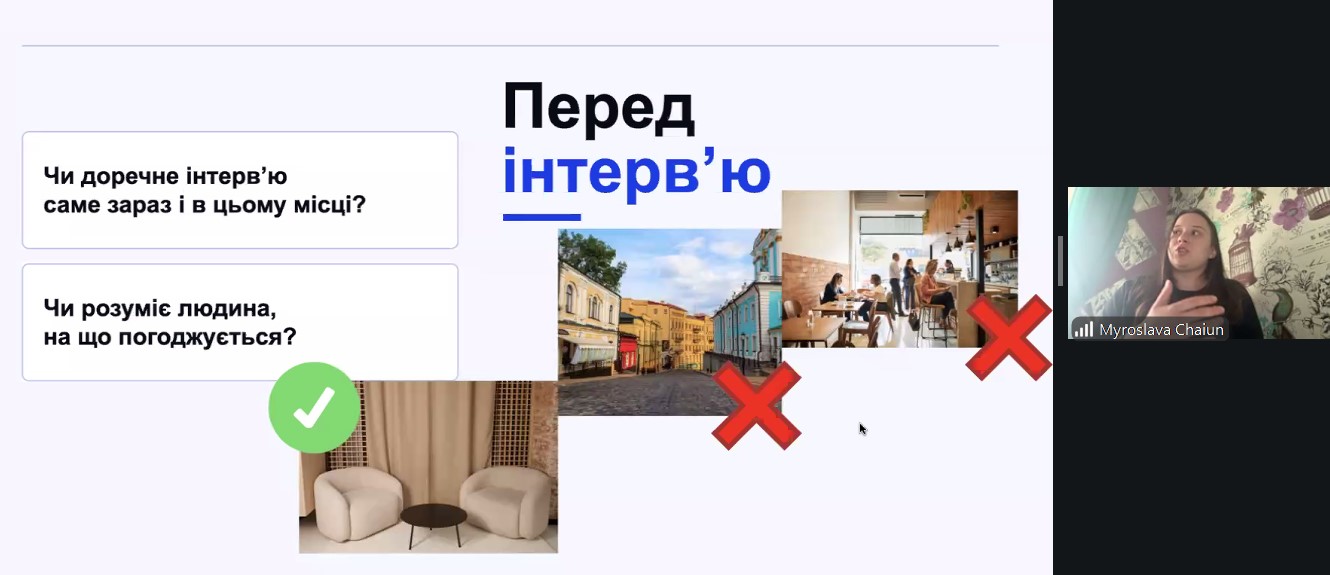
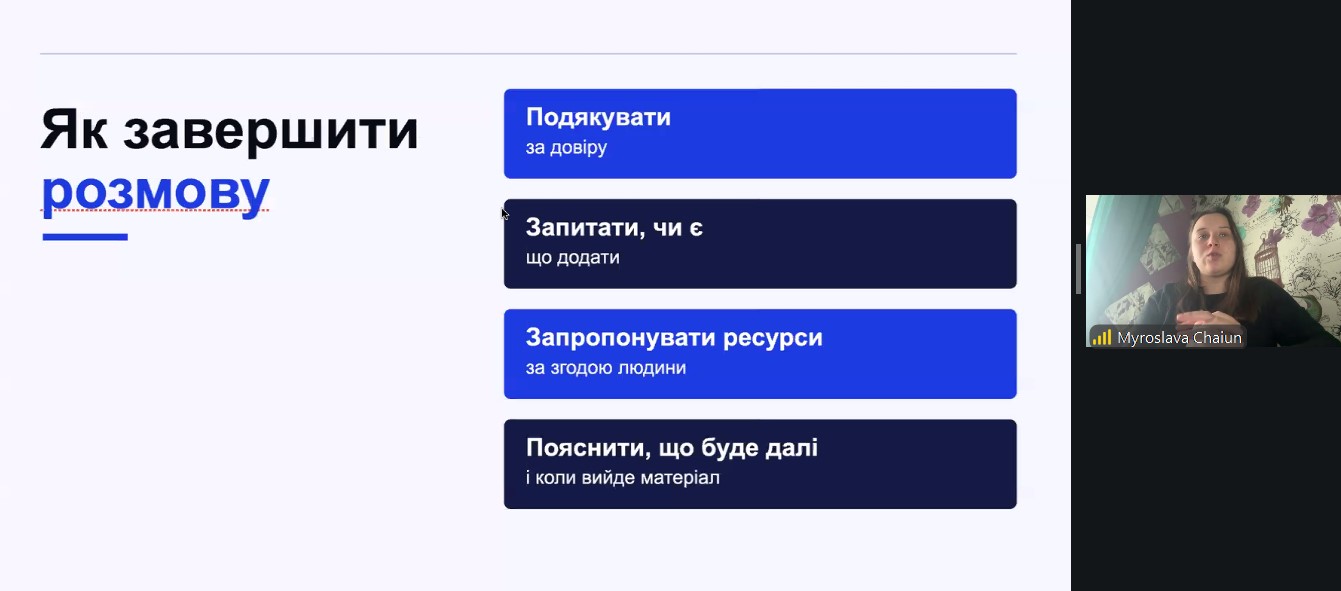
She also advised colleagues to conduct in-depth interviews exclusively in closed, safe rooms with a minimum number of people on the site, not to start or end the conversation with traumatic memories, and also to carefully explain to the characters the consequences of publicity, because information in the digital space remains forever.
The site uses cookies. The necessary ones are required for its operation (entering the cabinet, saving your choice). We enable analytical and marketing data only with your consent - in accordance with the Laws of Ukraine "On Personal Data Protection" and "On Electronic Communications". Consent can be changed or withdrawn at any time. For more details, see the Cookie Policy and Privacy Policy .